
 English
 中文简体
中文简体 русский
 فارسی
فارسی عربى
عربى Deutsch
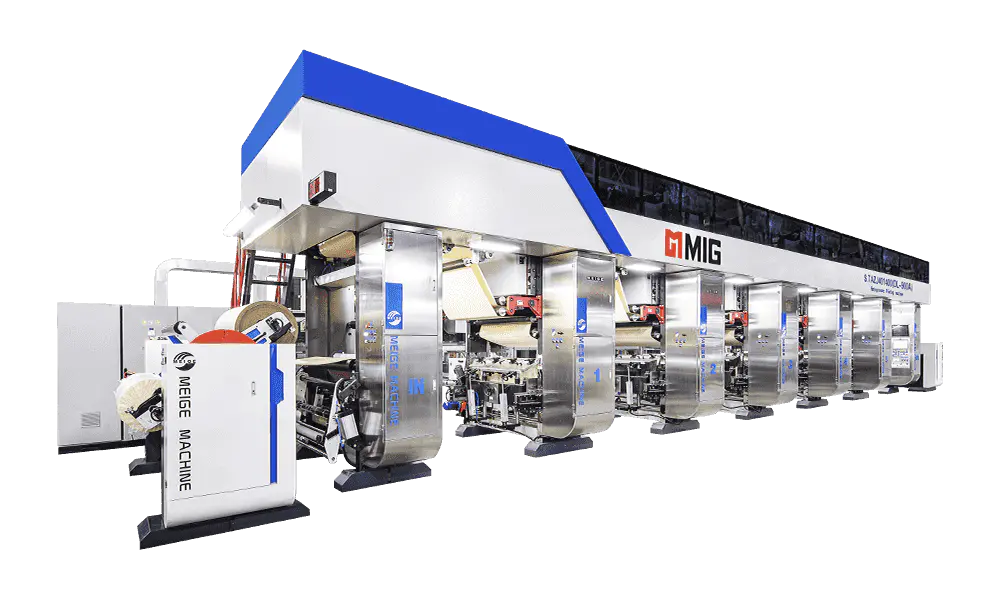
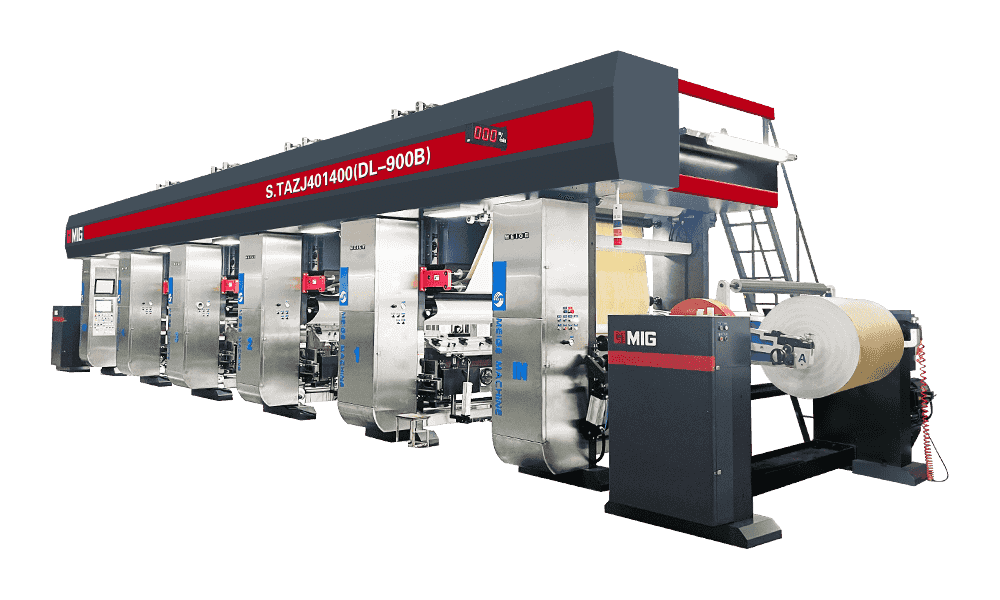
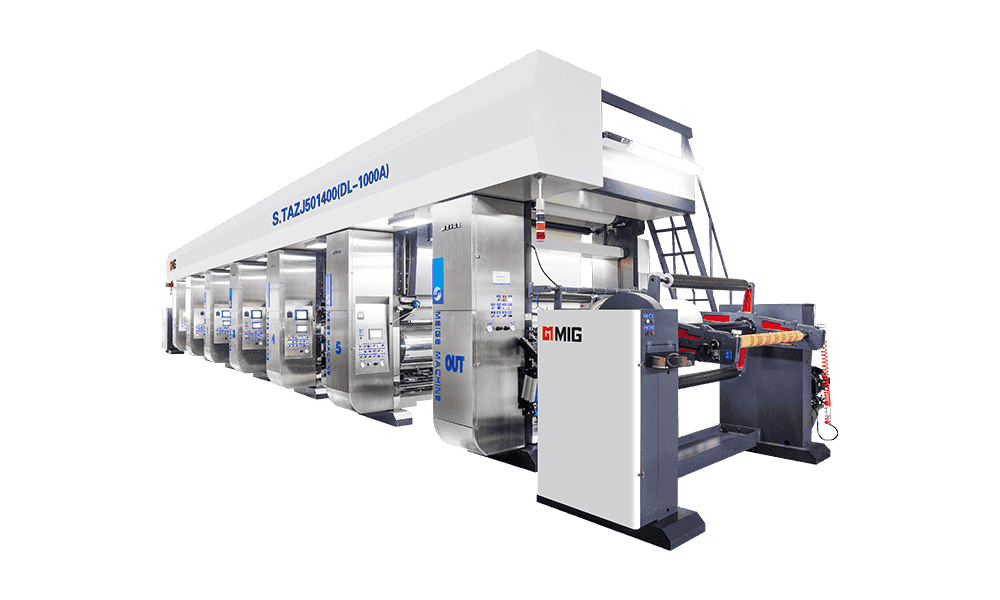
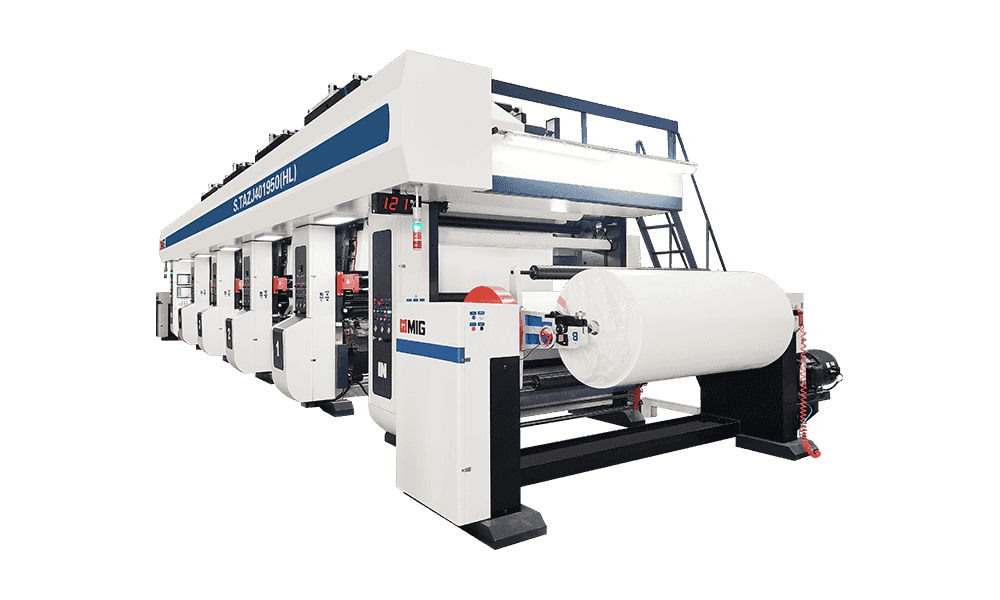
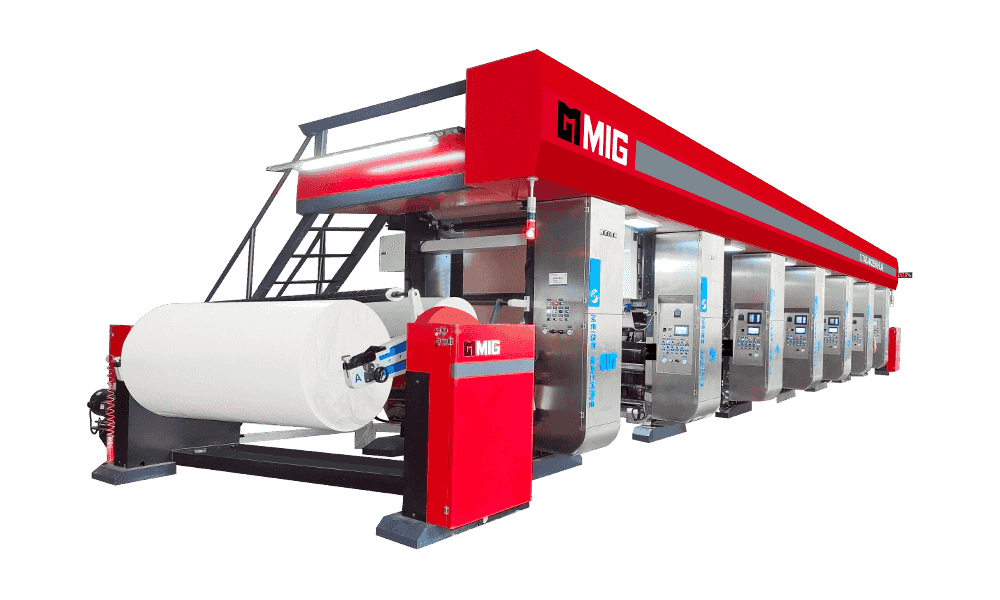
Decorative Paper Gravure Printer: Choosing the Right Machine for Stable Output
Content
Understanding Production Needs Before Buying
Before investing in a Decorative Paper Gravure Printer, manufacturers must clearly understand their production requirements. Factors such as paper width, design complexity, daily output volume, and ink type all influence the final machine configuration.
A mismatch between machine capacity and production demand can lead to unnecessary downtime, excessive energy use, or unstable print quality over time.
Important Technical Parameters to Evaluate
Not all decorative paper gravure printing machines are built the same. Several technical parameters directly affect long-term performance and ease of operation.
- Maximum printing width and repeat length
- Number of printing color stations
- Drying system efficiency and energy consumption
- Automation level for tension and register control
Cylinder Quality and Its Impact on Print Results
In gravure printing, the engraved cylinder is the heart of the system. High-quality cylinders ensure clean edges, consistent ink transfer, and long service life. Poor engraving quality often leads to blurry patterns and uneven color density.
Manufacturers that focus on decorative paper printing usually invest in precision engraving and surface treatments to maintain pattern accuracy even after long production cycles.
Operational Stability and Maintenance Considerations
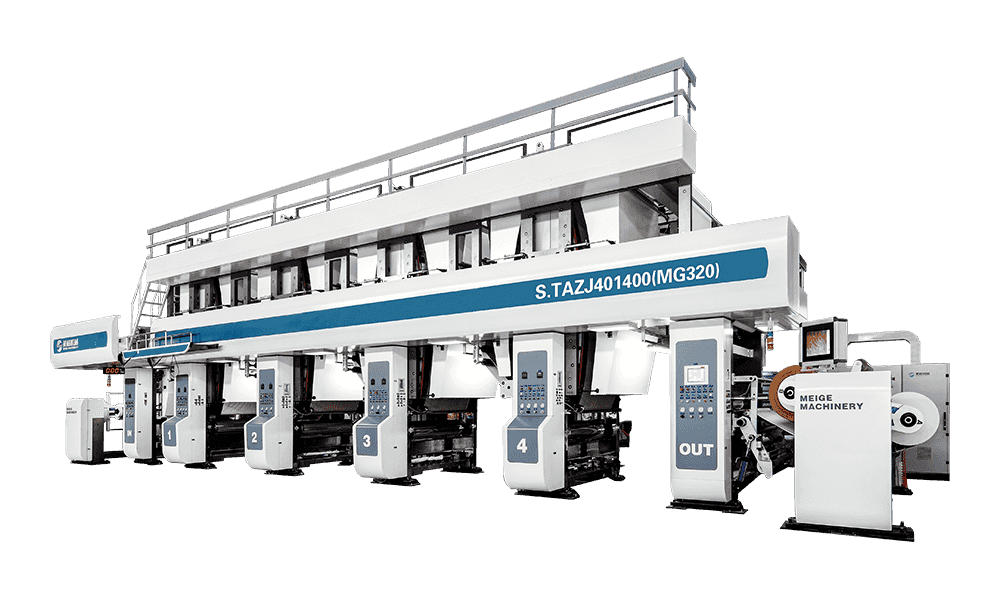
A reliable decorative paper gravure printer should operate smoothly over extended shifts with minimal manual adjustment. Stable web tension, accurate color registration, and easy access to maintenance points reduce operator workload.
| Maintenance Area | Why It Matters |
| Ink circulation system | Prevents clogging and color inconsistency |
| Doctor blade setup | Ensures clean ink wiping and sharp patterns |
| Drying units | Maintains ink adhesion and surface quality |
Long-Term Value of the Right Decorative Paper Gravure Printer
Choosing the right decorative paper gravure printer is not just about speed or price. Long-term value comes from stable output, low scrap rates, and consistent visual quality that meets market expectations.
A well-matched machine helps manufacturers respond quickly to design trends while keeping production costs under control, making it a dependable asset in decorative surface manufacturing.
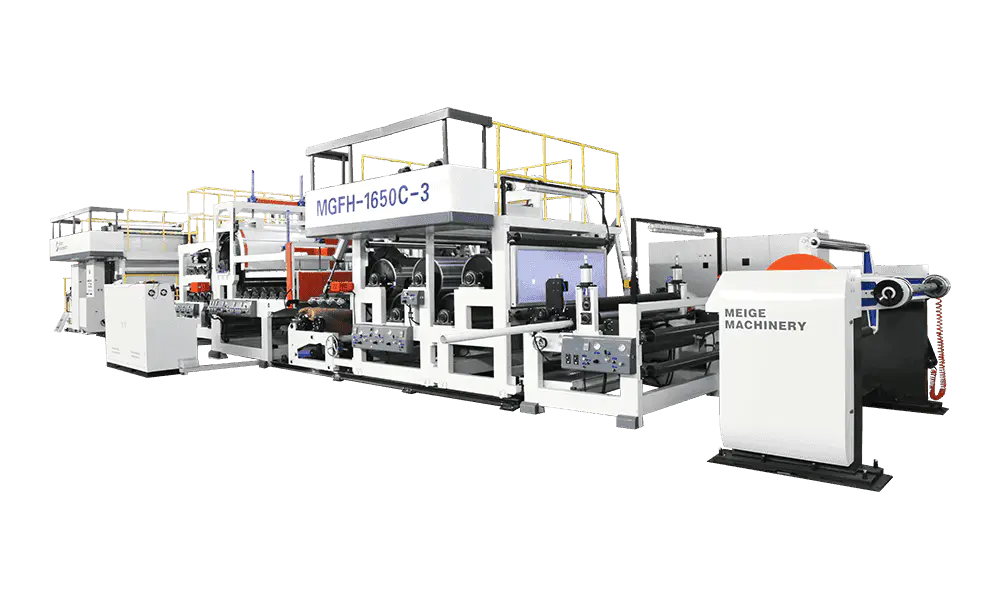
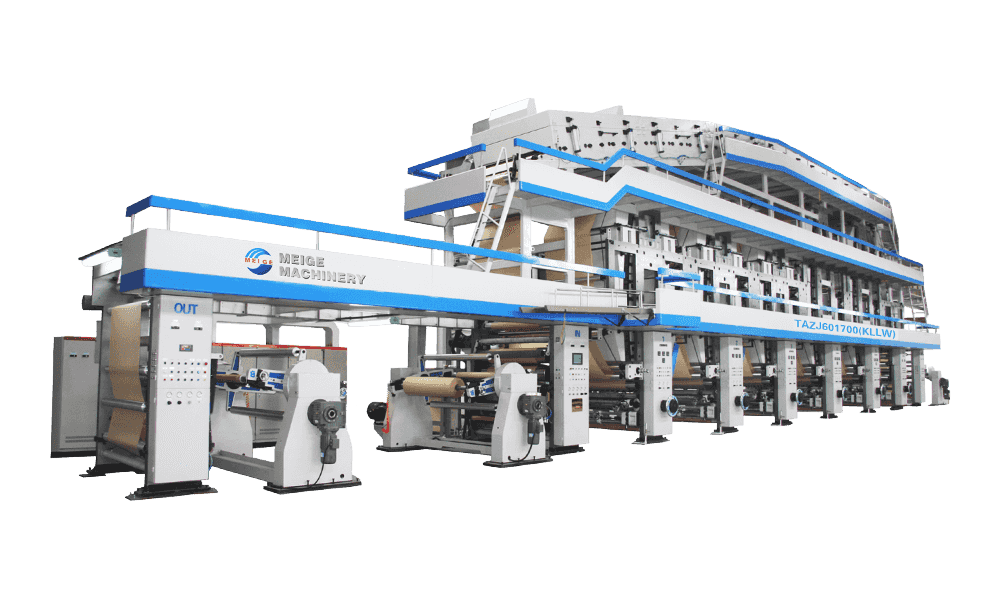
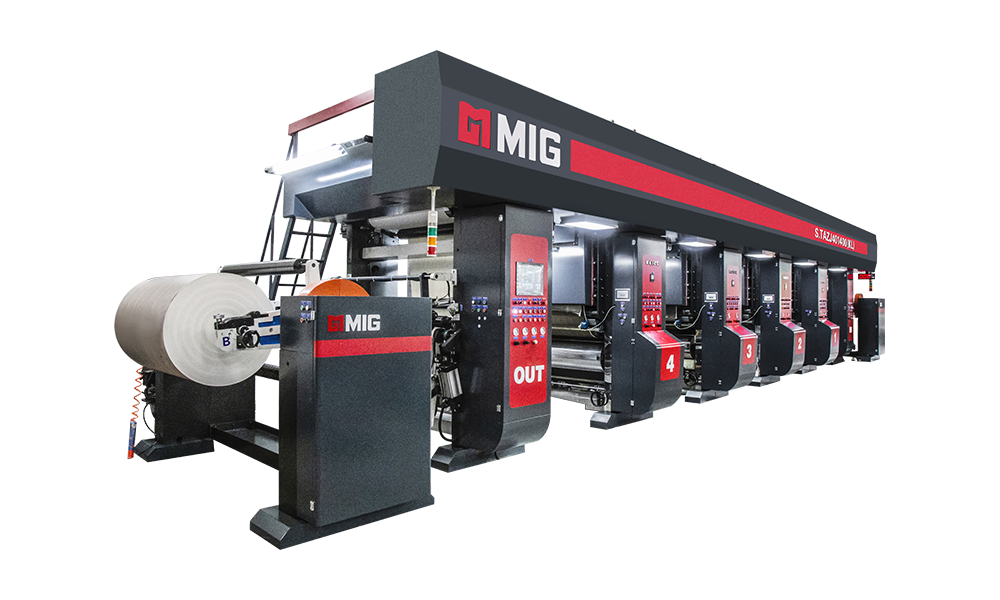
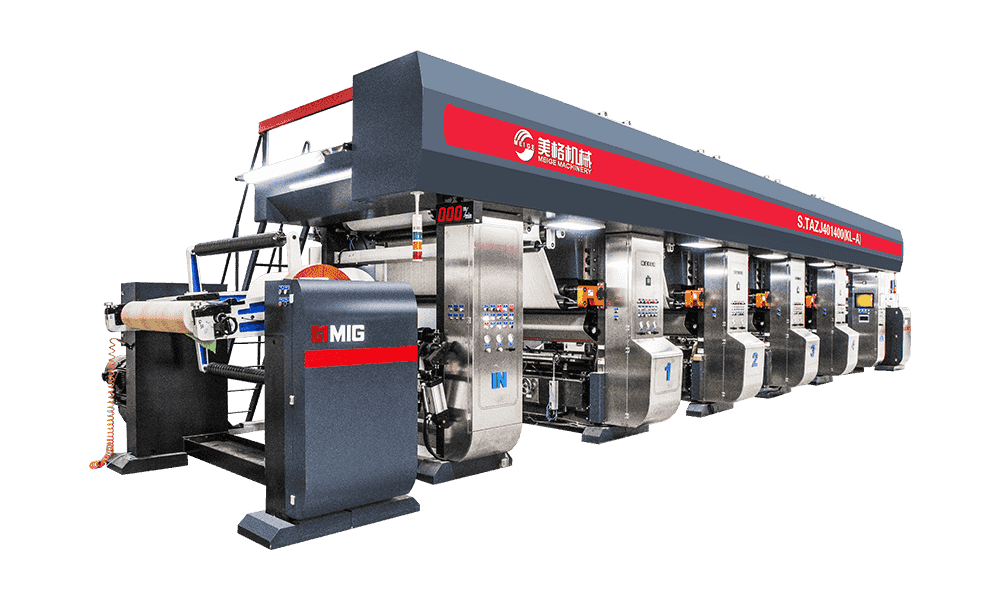
Recommended Products
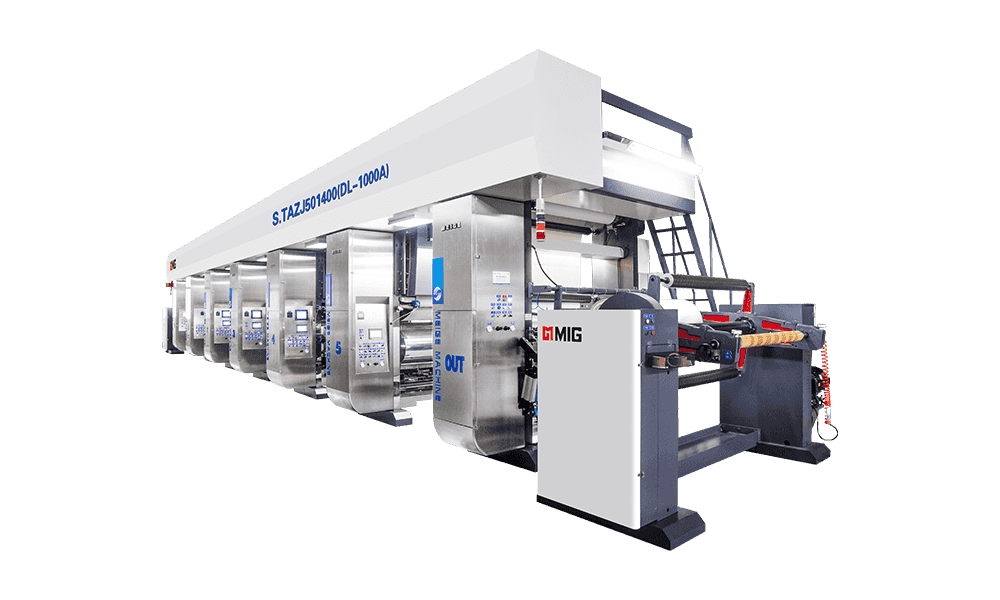
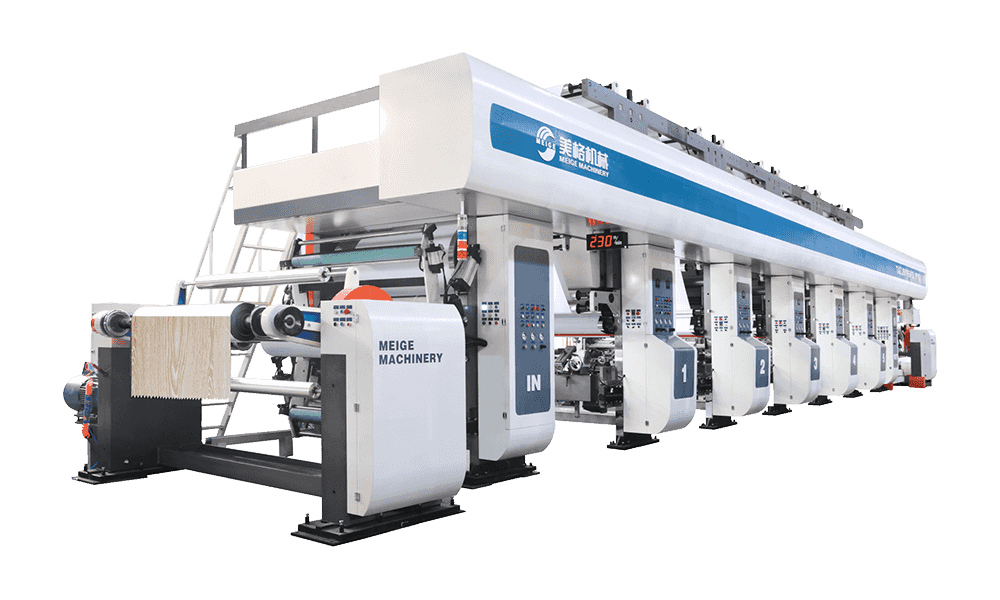
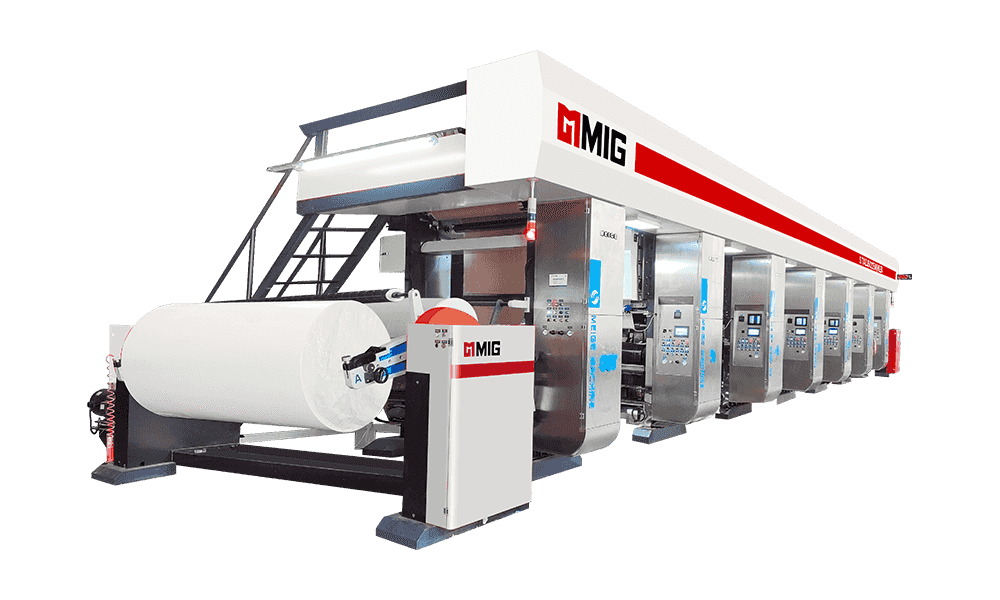
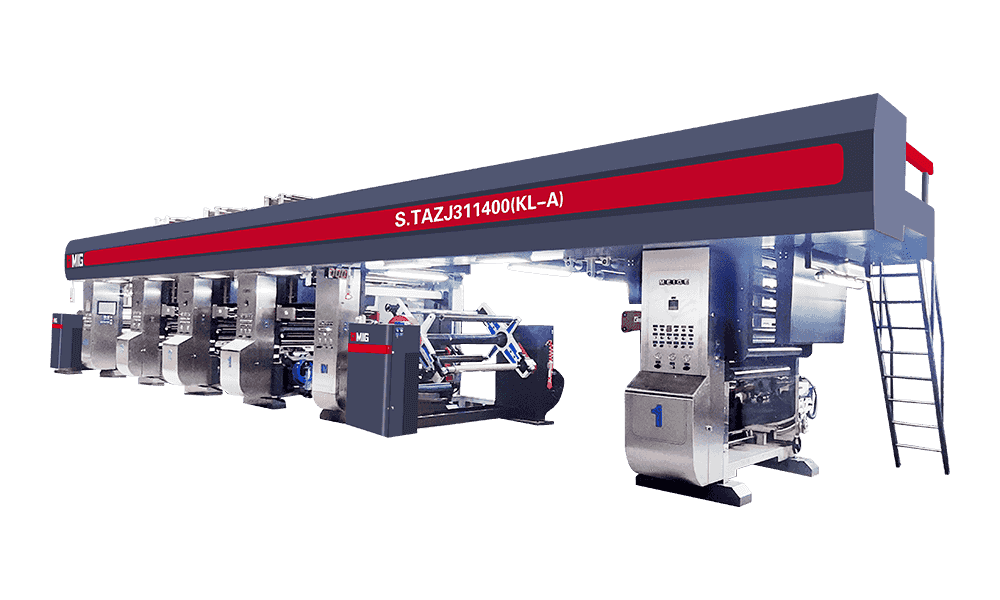
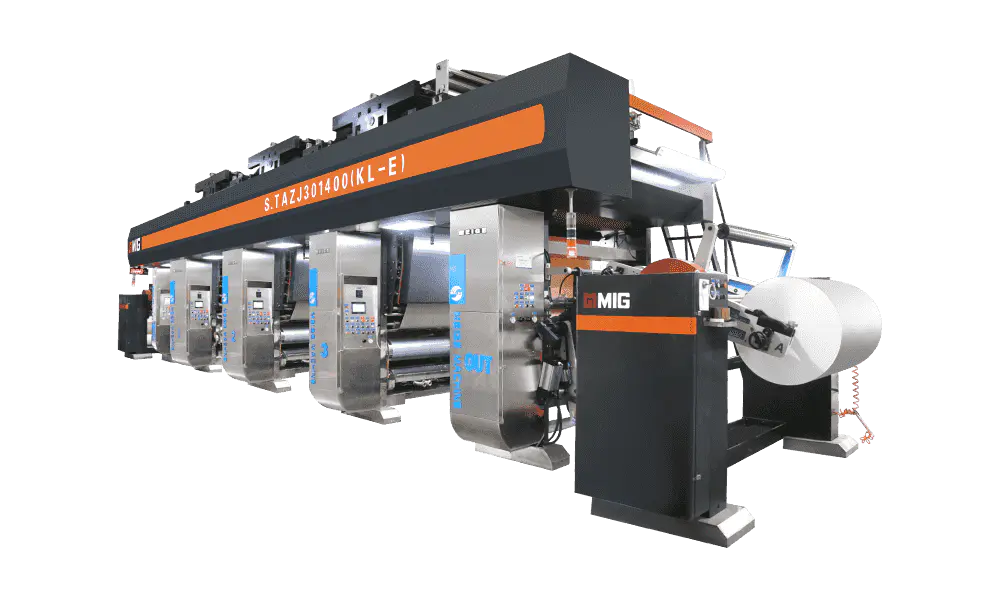
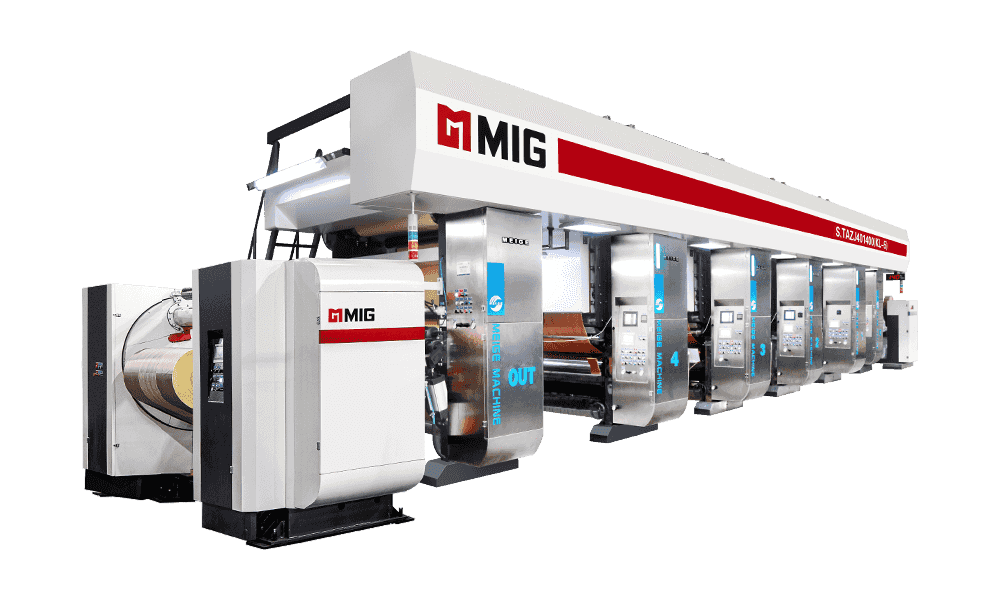
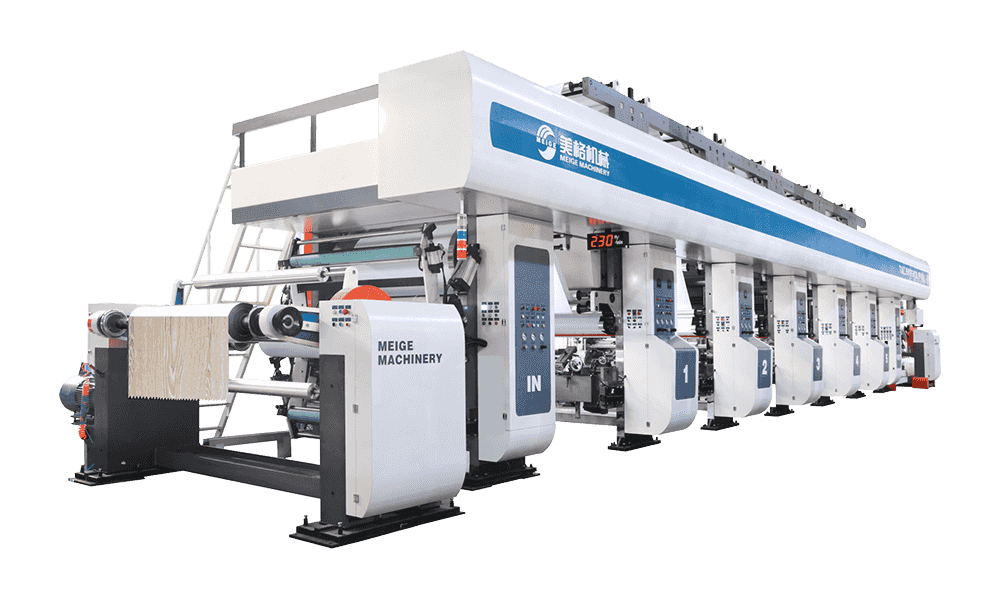
The variety of models, to meet the development needs of various regions in the world.
Message Us Right Now!
Quick Links
Products
Contact Us
- Phone: +86-13067738802 (Manager Hua)
- Tel: +86-0571-61071715
- Fax: +86-0571-61071706
- Mail: [email protected]
- Add: No.32 Wujiatou, Qingke Village, Jincheng Street, Lin'an District, Hangzhou City, Zhejiang Province

Copyright © Zhejiang Meige Machinery Technology Co., Ltd. All rights reserved.
 Privacy Rotogravure Printing Machine Manufacturers