
 English
 中文简体
中文简体 русский
 فارسی
فارسی عربى
عربى Deutsch
Gravure Printing Machine for Decor Materials: A Simple Guide to Choosing the Right One
Content
- 1 What a Gravure Printing Machine for Decor Materials Actually Does
- 2 Core Components That Make Up a Decor Gravure Printing System
- 3 Key Advantages of Using Gravure Printing for Decor Materials
- 4 Comparing Gravure Printing to Other Decor Printing Methods
- 5 Industries That Rely on Decor Gravure Printing Machines
- 6 How to Choose the Right Gravure Printing Machine for Your Facility
- 7 Maintenance Practices That Extend Machine Lifespan
- 8 Common Mistakes to Avoid When Investing in Decor Printing Equipment
What a Gravure Printing Machine for Decor Materials Actually Does
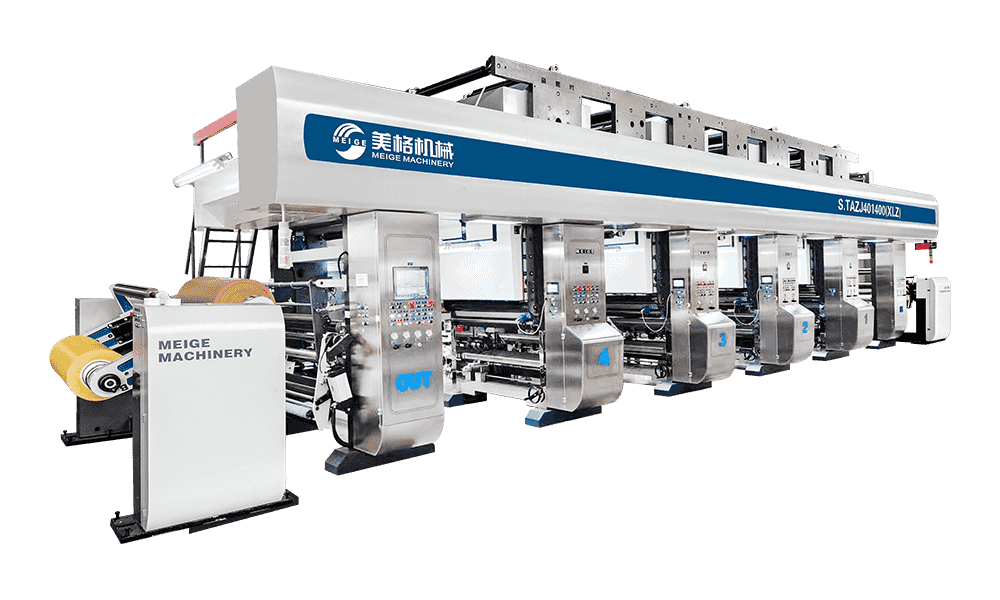
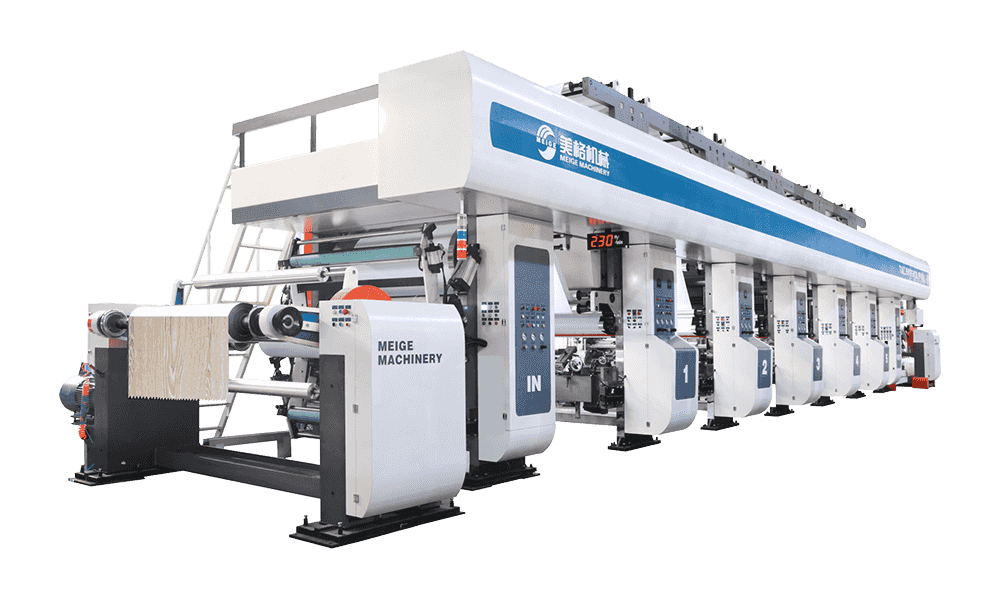
A gravure printing machine for decor materials is specialized industrial equipment used to print high-resolution patterns, wood grains, stone textures, and other decorative designs onto paper or film substrates used in flooring, furniture, and wall panel manufacturing. Unlike standard commercial printing presses, these machines are engineered to handle the specific demands of decor paper and melamine-impregnated substrates, which require precise ink transfer, consistent color matching, and the ability to reproduce fine textures like wood veneer or natural stone patterns at high speed.
The gravure printing process itself relies on engraved cylinders that hold ink in tiny recessed cells, transferring the design directly onto the substrate as it passes through the press. This method produces exceptionally sharp detail and consistent color depth, which is why it remains the preferred technology for decor material manufacturers producing laminate flooring, decorative laminates, and printed melamine paper at industrial scale. As demand for realistic wood and stone finishes grows in flooring and furniture markets, the role of a reliable decor printing machine has become increasingly central to production quality.
Core Components That Make Up a Decor Gravure Printing System
Understanding the main components of a gravure printing machine helps buyers evaluate equipment quality and identify which features matter most for their specific production needs.
Engraved Printing Cylinders
These cylinders are engraved with the design pattern using laser or chemical etching methods, creating tiny cells that hold ink. The precision of this engraving directly determines how sharp and detailed the final printed pattern will appear on the decor substrate.
Ink Supply and Doctor Blade System
The doctor blade scrapes excess ink from the cylinder's surface, leaving ink only in the engraved cells before it transfers to the paper. Consistent blade pressure and quality are essential for avoiding streaking or uneven ink distribution across the printed roll.
Drying and Tension Control Units
Between each color station, drying units set the ink before the next layer is applied, while tension control systems keep the paper substrate stable as it moves through the press at high speed, preventing wrinkles or misregistration between color layers.
Key Advantages of Using Gravure Printing for Decor Materials
Choosing gravure technology over other printing methods for decor materials offers several advantages that directly affect product quality and production efficiency.
- Exceptional print detail that accurately reproduces wood grains, stone textures, and fine patterns
- High-speed production capability suited for large-volume decor paper manufacturing
- Consistent color accuracy across long production runs, reducing batch-to-batch variation
- Long cylinder lifespan, allowing repeated use for popular or best-selling design patterns
- Compatibility with a range of substrates including paper, film, and specialty decor materials
Comparing Gravure Printing to Other Decor Printing Methods
Manufacturers often weigh gravure printing against digital and flexographic printing when deciding which technology best fits their production needs and budget.
| Printing Method | Print Detail | Best Use Case |
| Gravure Printing | Very High | Large-volume decor paper, laminate flooring |
| Flexographic Printing | Moderate | Packaging materials, simpler patterns |
| Digital Printing | High | Short runs, custom or frequently changing designs |
Industries That Rely on Decor Gravure Printing Machines
While gravure printing technology serves many sectors, certain industries depend heavily on decor-specific machines to produce their core products.
- Laminate flooring manufacturers printing realistic wood and stone patterns onto base paper
- Furniture producers using printed melamine paper for cabinet and panel surfaces
- Wall panel and ceiling material manufacturers requiring decorative surface finishes
- Interior decoration suppliers producing printed films for cabinetry and countertops
How to Choose the Right Gravure Printing Machine for Your Facility
Selecting the right equipment involves matching machine specifications to your production volume, substrate types, and design complexity requirements.
- Confirm the maximum printing width matches your typical decor paper or film size
- Check the number of color stations available, since complex wood grain patterns often require multiple colors
- Evaluate drying system efficiency, especially if running at higher production speeds
- Ask about cylinder engraving turnaround time when introducing new design patterns
- Request a facility visit or sample run to evaluate print consistency before purchasing
Maintenance Practices That Extend Machine Lifespan
Regular maintenance keeps a gravure printing machine running efficiently and helps avoid costly production downtime. Cleaning ink residue from cylinders and doctor blades after each production run prevents dried ink buildup that can scratch cylinder surfaces or cause uneven printing in future jobs. Periodic inspection of tension control rollers and drying units also helps catch small mechanical issues before they lead to misaligned prints or substrate damage. Additionally, storing engraved cylinders properly when not in use, away from moisture and physical impact, protects the fine engraving detail that determines print quality on every future run.
Common Mistakes to Avoid When Investing in Decor Printing Equipment
One frequent mistake is underestimating future production needs and purchasing a machine with insufficient printing width or color stations, leading to costly upgrades down the line. Another common issue is neglecting to verify a supplier's after-sales support and spare parts availability, which can result in extended downtime if the machine requires repairs. Buyers should also avoid skipping a live demonstration or sample print run before purchase, since specifications on paper don't always reflect real-world print quality and consistency. Finally, overlooking operator training as part of the purchase agreement can lead to underutilized equipment and avoidable production errors during the early stages of operation.
Product Categories
Recommended News
Recommended Products
The variety of models, to meet the development needs of various regions in the world.
Message Us Right Now!
Quick Links
Products
Contact Us
- Phone: +86-13067738802 (Manager Hua)
- Tel: +86-0571-61071715
- Fax: +86-0571-61071706
- Mail: [email protected]
- Add: No.32 Wujiatou, Qingke Village, Jincheng Street, Lin'an District, Hangzhou City, Zhejiang Province

Copyright © Zhejiang Meige Machinery Technology Co., Ltd. All rights reserved.
 Privacy Rotogravure Printing Machine Manufacturers