
 English
 中文简体
中文简体 русский
 فارسی
فارسی عربى
عربى Deutsch
How to Choose a Gravure Printing Machine for Building Materials That Actually Pays Off
Content
What a Gravure Printing Machine for Building Materials Actually Does
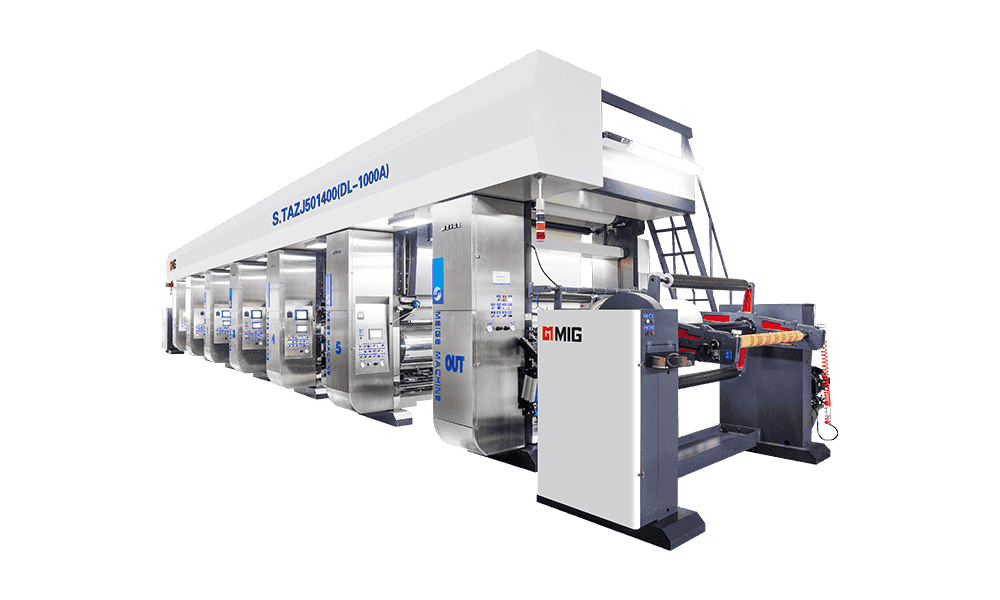
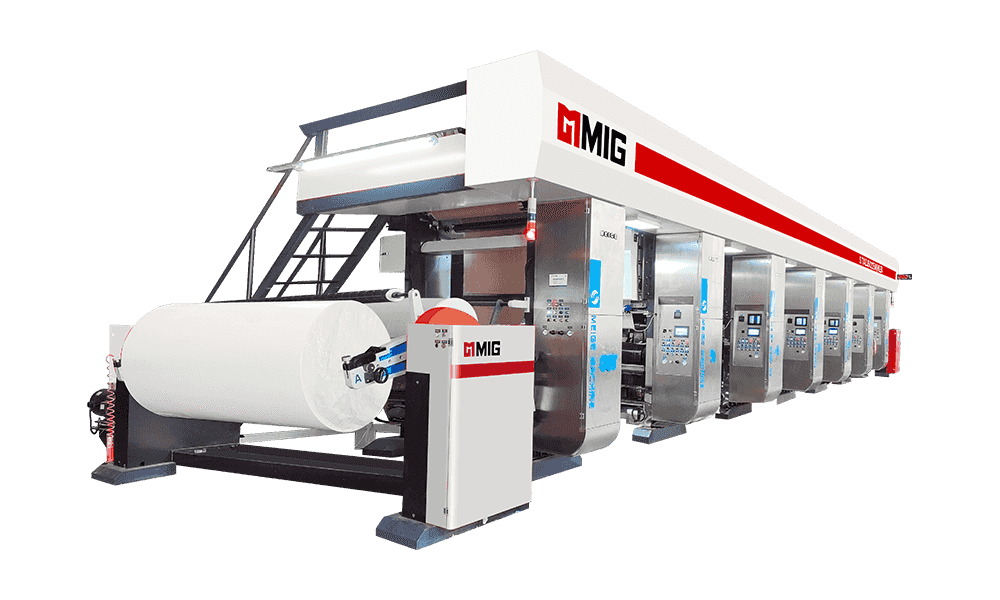
A Gravure Printing Machine for Building Materials is designed to transfer high-resolution patterns — such as wood grain, marble, stone texture, or decorative motifs — onto flat or rigid substrates like PVC panels, MDF boards, gypsum sheets, and flooring materials. Unlike standard flexographic printers, gravure machines use engraved cylinders that hold ink in tiny etched cells, allowing for sharper detail and more consistent color depth. This makes them the preferred choice for manufacturers producing imitation wood, faux stone, or laminate-style surfaces at scale.
For buyers in the building materials industry, understanding the core mechanics of this equipment helps avoid costly mismatches between machine capability and production needs. A machine built for thin film printing, for example, won't perform well on thicker rigid boards without modification.
Key Components That Affect Print Quality
Before purchasing, it helps to understand which parts of the machine influence output quality the most. Each component plays a distinct role in how clean, accurate, and durable the final printed surface looks.
Engraved Cylinders
The cylinder engraving determines pattern sharpness and color saturation. Deeper cell engraving holds more ink, which is useful for bold wood-grain textures, while shallower engraving suits fine detail work like stone veining.
Drying System
Building material substrates are often thicker and less absorbent than paper or film, so the drying unit needs sufficient heat output and airflow control to prevent smudging or ink pooling between print stations.
Tension and Feeding Control
Rigid or semi-rigid boards require precise feeding mechanisms to avoid misalignment. Poor tension control is one of the most common causes of pattern distortion on longer production runs.
Comparing Machine Types by Substrate
Different building material substrates require different machine configurations. The table below outlines common applications and the typical setup needed for each.
| Substrate Type | Common Use | Recommended Setup |
| PVC Sheet | Wall panels, ceiling boards | Multi-color gravure with UV or hot-air drying |
| WPC Flooring | Vinyl and composite flooring | High-precision wood grain cylinders |
| Gypsum Board | Decorative ceiling tiles | Lightweight ink formulation, low-pressure rollers |
| MDF/HDF Board | Furniture-grade panels | Reinforced feeding system, slower print speed |
Matching the machine configuration to your primary substrate avoids unnecessary downtime from frequent recalibration or part swaps.
Practical Factors to Evaluate Before Buying
Beyond technical specs, buyers should weigh several operational factors that affect long-term cost and productivity.
- Print speed versus drying capacity — faster lines need proportionally stronger drying systems to avoid quality loss
- Number of color stations needed for your typical pattern complexity
- Cylinder replacement and re-engraving costs over time
- Ink compatibility with your substrate material, especially for PVC and WPC products
- Footprint and power requirements relative to your factory layout
- Availability of after-sales technical support, particularly for cross-border purchases
Maintenance Practices That Extend Machine Lifespan
Routine maintenance has a direct impact on print consistency and equipment longevity. Cylinder cleaning should be scheduled based on ink type and production volume, since dried ink residue in engraved cells is one of the leading causes of pattern fading. Roller alignment should be checked weekly on high-volume lines, as even minor misalignment compounds into visible streaking over time.
It's also worth keeping a maintenance log tied to production output rather than calendar time alone. Machines running near-continuous shifts will need more frequent servicing than those used intermittently, regardless of how many weeks have passed since the last check.
Working With a Manufacturer or Supplier
When sourcing equipment, request sample prints on your actual substrate material rather than relying on generic demo samples. This helps confirm color accuracy and ink adhesion under real production conditions. It's also reasonable to ask suppliers for case studies or references from buyers in similar segments of the building materials industry, since machine performance can vary significantly between film printing and rigid board printing.
Finally, clarify lead times for spare parts and engraved cylinders before finalizing a purchase. Long wait times for replacement cylinders can stall production for weeks, which often costs more than the initial price difference between suppliers.
Product Categories
Recommended News
Recommended Products
The variety of models, to meet the development needs of various regions in the world.
Message Us Right Now!
Quick Links
Products
Contact Us
- Phone: +86-13067738802 (Manager Hua)
- Tel: +86-0571-61071715
- Fax: +86-0571-61071706
- Mail: [email protected]
- Add: No.32 Wujiatou, Qingke Village, Jincheng Street, Lin'an District, Hangzhou City, Zhejiang Province

Copyright © Zhejiang Meige Machinery Technology Co., Ltd. All rights reserved.
 Privacy Rotogravure Printing Machine Manufacturers