
 English
 中文简体
中文简体 русский
 فارسی
فارسی عربى
عربى Deutsch
Everything You Need to Know About the Decorative Paper Gravure Printing Machine
Content
- 1 What Is a Decorative Paper Gravure Printing Machine?
- 2 How the Gravure Printing Process Works for Decorative Paper
- 3 Key Components of a Decorative Paper Gravure Printing Machine
- 4 Decorative Paper Gravure vs. Other Printing Methods
- 5 Common Applications of Gravure-Printed Decorative Paper
- 6 How to Choose the Right Decorative Paper Gravure Printing Machine
- 7 Maintenance Best Practices for Gravure Printing Machines
- 8 Trends Shaping the Future of Decorative Paper Gravure Printing
What Is a Decorative Paper Gravure Printing Machine?
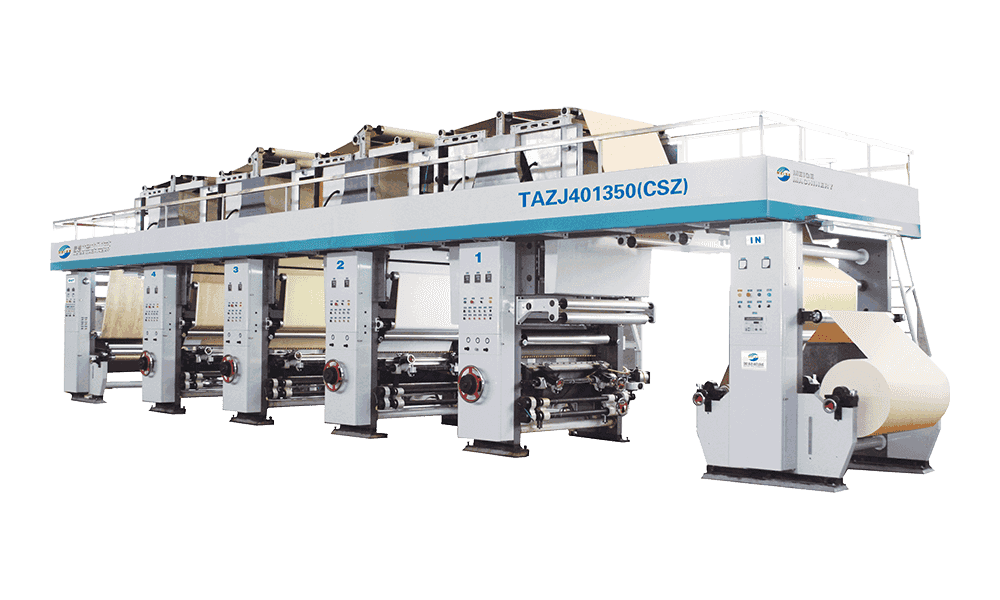
A decorative paper gravure printing machine is a specialized piece of industrial equipment designed to print high-resolution patterns, textures, and designs onto decorative paper — the kind used in furniture surfaces, laminate flooring, wall panels, and cabinetry. Unlike standard printing equipment, gravure machines use engraved cylinders to transfer ink directly onto the substrate, making them ideal for long production runs with consistent, photorealistic output. If you've ever admired the wood-grain finish on a kitchen cabinet or the marble effect on a countertop, chances are it was produced using rotogravure technology on decorative paper.
The term "gravure" comes from the French word for engraving. In this process, the image is etched into the surface of a copper or chrome-plated cylinder at a microscopic level. As the cylinder rotates through an ink bath, the tiny engraved cells fill with ink. A doctor blade then wipes the excess ink off the smooth surface, and the remaining ink in the cells is transferred precisely onto the paper as it passes through the press. This cell-based ink delivery system is what gives gravure-printed decorative paper its sharp detail, vibrant color depth, and superior consistency across thousands of meters of output.
How the Gravure Printing Process Works for Decorative Paper
Understanding the workflow of a decorative paper gravure printing machine helps you make better decisions about equipment selection, ink choice, and maintenance. The process follows a well-defined series of stages from paper infeed to finished roll output.
Cylinder Engraving and Preparation
Before any printing begins, the design must be engraved onto the printing cylinder. Modern decorative paper gravure machines use electromechanical engraving (EME) or laser engraving to etch millions of tiny cells into the copper surface of each cylinder. The cell depth, shape, and density determine ink volume, color saturation, and tonal range. For decorative patterns like wood grain or stone textures, cylinder engravers must replicate fine natural variations — a technically demanding task that directly affects the realism of the final printed surface.
Ink Formulation and Color Registration
Decorative paper gravure printing typically uses solvent-based or water-based inks with high pigment concentrations. Each color in a multi-color design requires its own engraved cylinder and ink unit. Most industrial gravure printing machines for decorative paper run between 4 and 10 color stations. Precise registration — the accurate alignment of each color layer — is critical. Modern machines use servo-driven tension control and automated register systems to maintain alignment tolerances within fractions of a millimeter, even at speeds exceeding 200 meters per minute.
Drying and Rewinding
After each color unit, the printed paper passes through a hot-air drying tunnel to evaporate the ink solvent before the next color is applied. This prevents color bleeding and ensures a clean, layered finish. At the end of the press, the finished decorative paper is rewound into large rolls — typically 1,000 to 3,000 meters — ready for downstream processes like impregnation with melamine resin and lamination onto board surfaces.
Key Components of a Decorative Paper Gravure Printing Machine
A rotogravure press built specifically for decorative paper production differs from general-purpose gravure equipment in several important ways. The following components are central to its performance:
- Printing Units: Each unit houses one engraved cylinder, an ink tray, a doctor blade assembly, and an impression roller. The number of units determines how many colors can be printed in a single pass.
- Doctor Blade System: This precision blade scrapes excess ink from the cylinder surface, ensuring only the engraved cells carry ink to the paper. Blade angle, pressure, and material (steel or composite) affect both print quality and cylinder wear.
- Tension Control System: Maintaining consistent paper tension throughout the press prevents stretching, tearing, and misregistration. Electronic tension sensors and dancer rollers work together to keep tension stable across varying paper weights and speeds.
- Drying Ovens: Hot-air or infrared drying tunnels between color stations cure the ink rapidly. Temperature, airflow volume, and dwell time must be precisely calibrated for the ink type and paper substrate in use.
- Register Control System: Optical sensors and servo motors continuously monitor and correct the alignment of each color unit. Advanced systems use CCD cameras to detect register error and make real-time adjustments without operator intervention.
- Unwinder and Rewinder: The unwinder feeds the raw paper roll smoothly into the press, while the rewinder collects the finished printed paper. Both must handle heavy rolls (often 500–1,000 kg) without causing tension spikes or web breaks.
Decorative Paper Gravure vs. Other Printing Methods
When choosing a printing technology for decorative paper production, manufacturers often compare gravure against flexography and digital printing. Each method has trade-offs in cost, quality, and flexibility. The table below summarizes the key differences:
| Feature | Gravure | Flexography | Digital |
| Print Quality | Excellent (photorealistic) | Good | Very Good |
| Run Length Suitability | High volume (1M+ meters) | Medium to high | Short runs, prototypes |
| Setup Cost | High (cylinder engraving) | Medium (plate making) | Low (no plates/cylinders) |
| Per-Unit Cost at Scale | Very low | Low | Higher |
| Design Changeover Speed | Slow (cylinder swap) | Medium | Instant |
| Color Consistency | Outstanding | Good | Good |
For large-scale decorative paper manufacturers supplying flooring or furniture companies, the gravure printing machine remains the industry standard because its per-meter cost drops dramatically at high volumes, and its color consistency across a multi-million-meter production run is unmatched by other technologies.
Common Applications of Gravure-Printed Decorative Paper
Decorative paper produced on gravure presses is used across a wide range of surface finishing applications in the furniture and construction industries. The ability to reproduce complex textures and photorealistic patterns makes it indispensable for the following end uses:
- Laminate Flooring: The wear layer surface of most laminate flooring products uses gravure-printed decorative paper to mimic hardwood, stone, or tile patterns. The resolution and color accuracy of gravure printing are critical for achieving a convincing natural look.
- Furniture Surfaces: Flat-pack and mass-produced furniture manufacturers use melamine-impregnated decorative paper on particleboard and MDF panels. Gravure-printed wood-grain and solid-color papers are the most commonly used surface materials in this segment.
- Kitchen Cabinets and Wardrobes: Cabinet doors and wardrobe panels frequently use foil or paper laminates printed with gravure to achieve high-gloss or matte wood and stone effects at a fraction of the cost of real veneer.
- Wall Panels and HPL: High-pressure laminate (HPL) sheets used in commercial interiors incorporate gravure-printed decorative paper as the visual layer, offering designers a broad palette of surface aesthetics.
- Edgebanding: Thin strips of gravure-printed paper or foil are used to finish the exposed edges of board furniture, matching the surface pattern for a seamless appearance.
How to Choose the Right Decorative Paper Gravure Printing Machine
Selecting a gravure press for decorative paper production is a significant capital investment. The right machine depends on your production volume, substrate range, design complexity, and sustainability requirements. Here are the most important factors to evaluate:
Print Width and Speed
Decorative paper gravure presses are available in print widths typically ranging from 1,050 mm to 2,200 mm. Wider machines are more productive for large-volume orders but require greater capital outlay and more floor space. Production speeds commonly range from 100 to 300 meters per minute depending on the machine's design, drying capacity, and the substrates being printed. Always match the machine's speed rating to your expected order volumes and shift schedules before purchasing.
Number of Color Stations
Basic decorative paper designs — such as solid colors or simple two-tone patterns — can be reproduced with 4-color machines. Realistic wood grain, marble, and complex fantasy decors typically require 6 to 10 color stations to capture the full tonal range and fine detail. Some high-end gravure printing machines for decorative paper offer up to 12 color units for ultra-photorealistic output. Consider the design complexity of your current and anticipated product range before specifying the number of color stations.
Ink System Compatibility
Traditionally, decorative paper gravure machines used solvent-based ink systems, which require solvent recovery and exhaust treatment infrastructure. Many modern machines are engineered for water-based inks, which significantly reduce volatile organic compound (VOC) emissions and simplify compliance with environmental regulations. If sustainability is a business priority or a requirement of your customers, choose a machine that is optimized for water-based or UV-curable ink systems from the outset rather than retrofitting later.
Automation and Control Systems
Modern gravure printing machines for decorative paper come with increasingly sophisticated digital control systems. Look for features such as automatic register control with CCD camera feedback, viscosity control for ink systems, automated doctor blade adjustment, and integrated quality inspection cameras. These automation features reduce waste during job changeover, decrease reliance on skilled operator judgment, and maintain consistent output quality across long production runs.
Maintenance Best Practices for Gravure Printing Machines
Consistent maintenance is essential to protect your investment in a decorative paper gravure printing machine and to maintain print quality over time. The following practices are standard in well-run gravure printing facilities:
- Daily Cylinder Cleaning: Engraved cylinders must be thoroughly cleaned after each production run to prevent ink drying inside the cells. Dried ink residue reduces ink transfer volume, causing print defects such as missing dots, streaks, or uneven color density.
- Doctor Blade Inspection and Replacement: Worn or damaged doctor blades cause streaking and uneven ink wiping. Blades should be inspected at each job change and replaced on a scheduled basis depending on run length and ink type.
- Impression Roller Maintenance: The rubber impression rollers that press the paper against the engraved cylinder must be kept clean and free of surface damage. Glazing or hardening of the rubber reduces nip pressure and degrades print density.
- Drying System Checks: Periodically verify that drying oven temperatures are accurate and uniform across the full web width. Uneven drying causes ink adhesion problems and can lead to blocking (sticking) when the finished paper is rewound into rolls.
- Cylinder Re-Chroming: After extended use, the chrome plating on engraved cylinders wears and must be stripped and re-applied. Tracking cylinder print mileage and scheduling re-chroming proactively prevents gradual quality degradation going unnoticed on long production runs.
Trends Shaping the Future of Decorative Paper Gravure Printing
The decorative paper gravure printing industry is evolving rapidly in response to market demand for shorter runs, more design variety, and greater environmental responsibility. Several clear trends are reshaping equipment design and production workflows.
Hybrid Gravure-Digital Systems
One of the most significant developments is the emergence of hybrid printing lines that combine a gravure press for the base color and texture layers with an inline digital printing unit for variable design elements. This approach retains gravure's cost efficiency for high-volume background printing while adding digital's flexibility for customization and short-run design variations — something that was previously impossible with pure gravure technology.
Water-Based and Eco-Solvent Inks
Environmental regulations in Europe and increasingly in Asia are pushing manufacturers away from traditional solvent-based gravure inks. Equipment manufacturers have responded by redesigning ink circulation systems, doctor blades, and drying ovens to handle water-based inks effectively. While water-based inks present some technical challenges — including slower drying speeds and different rheological properties — the latest generation of decorative paper gravure machines handles them with minimal compromise in productivity or print quality.
Industry 4.0 Integration
Leading gravure press manufacturers now equip their decorative paper machines with IoT-enabled sensors and cloud-connected monitoring platforms. These systems continuously log machine performance data, flag anomalies in real time, and enable predictive maintenance scheduling based on actual wear patterns rather than fixed time intervals. Remote diagnostics capabilities mean that equipment suppliers can assist with troubleshooting from anywhere in the world, reducing downtime and support costs for plant operators.

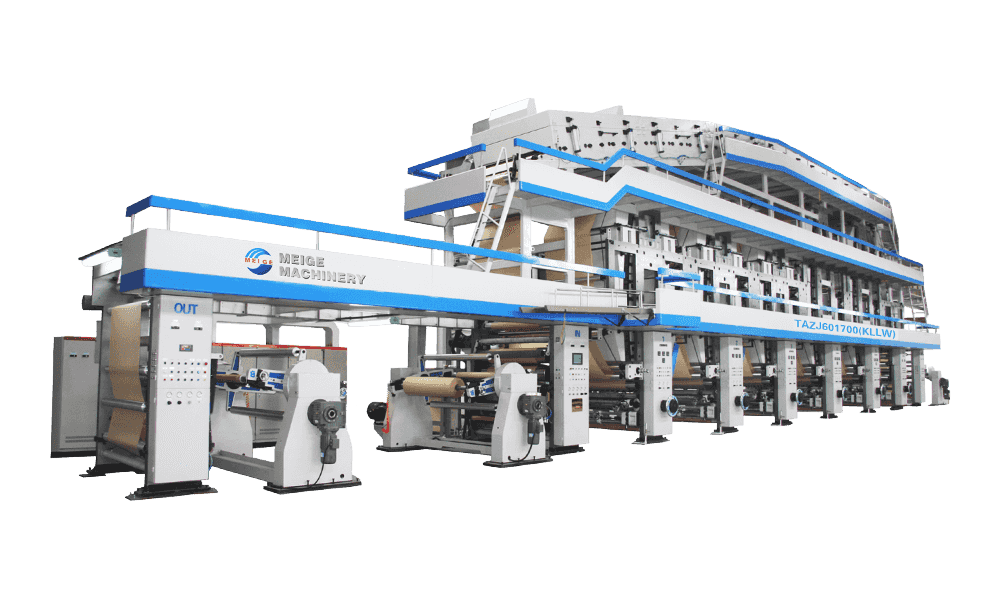
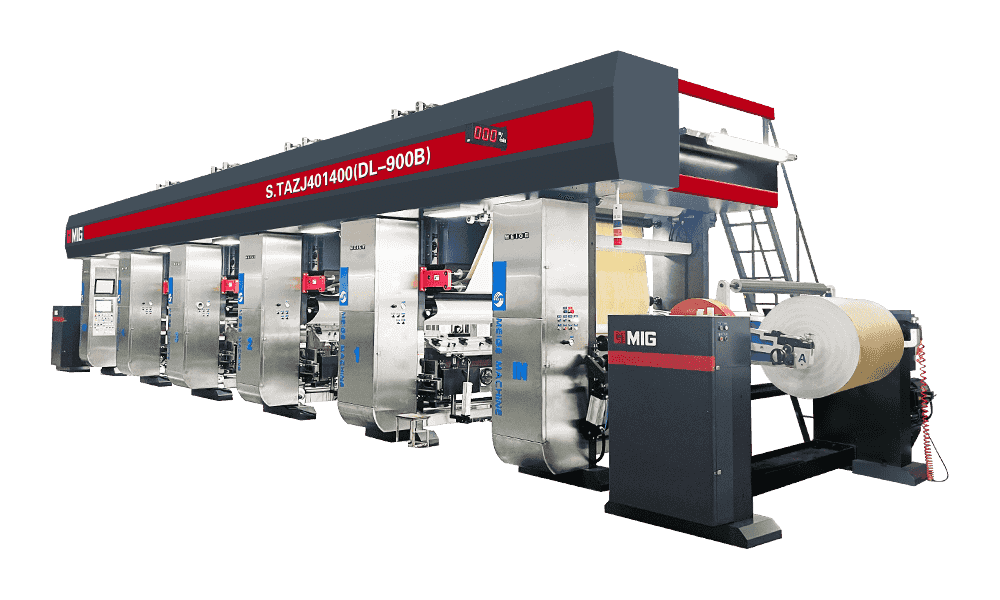
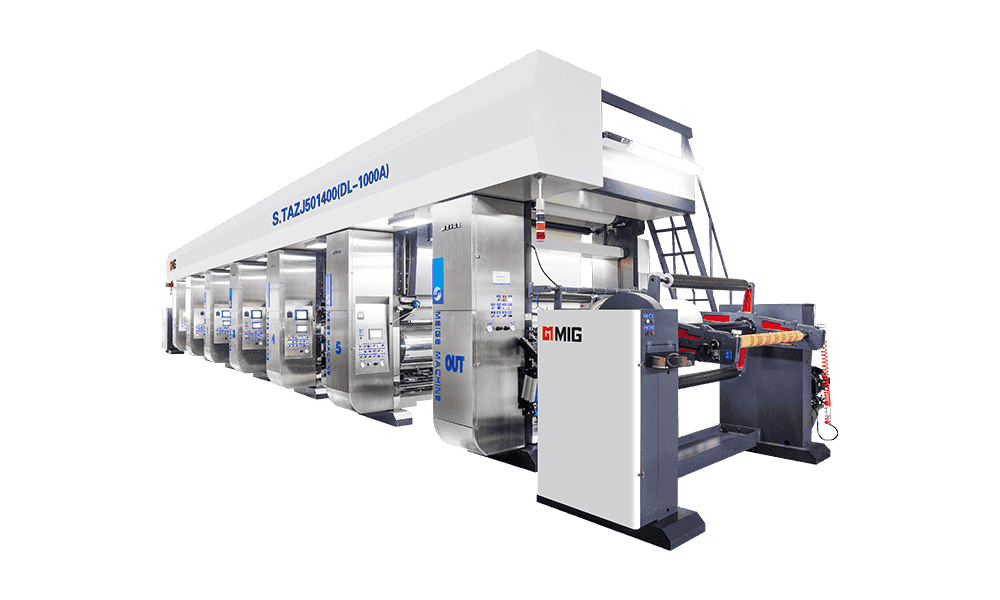
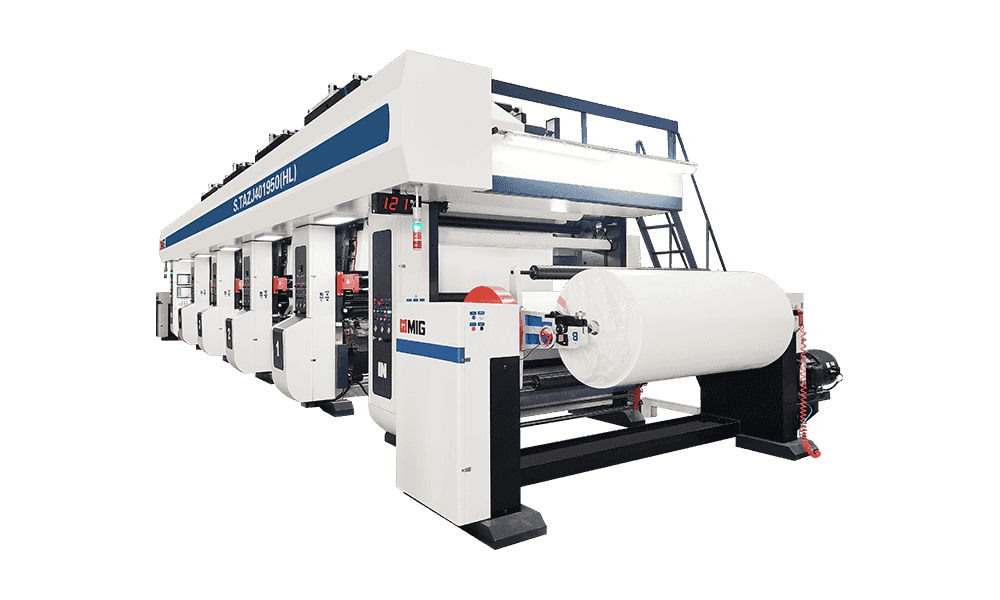
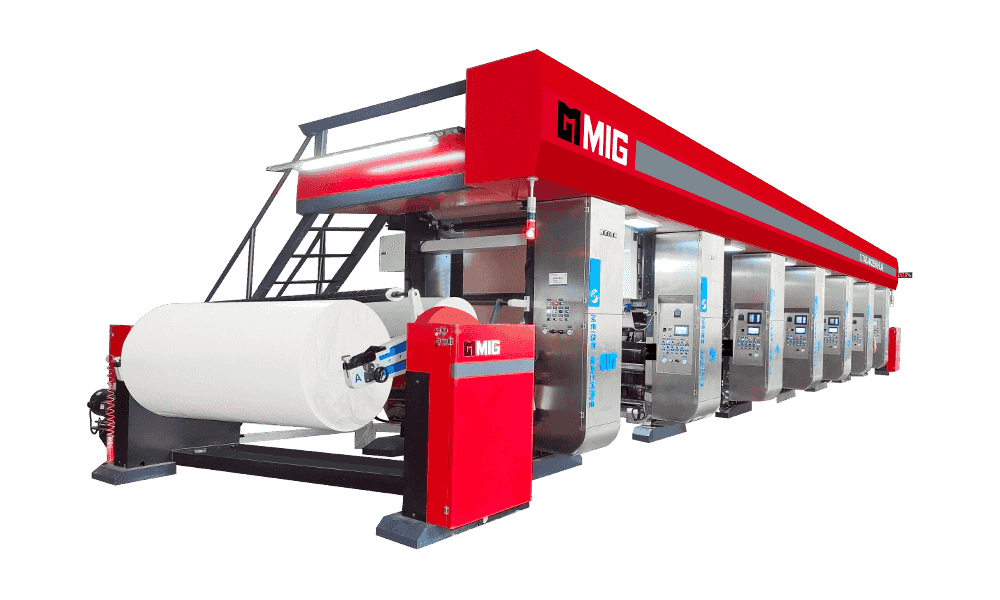
Recommended Products
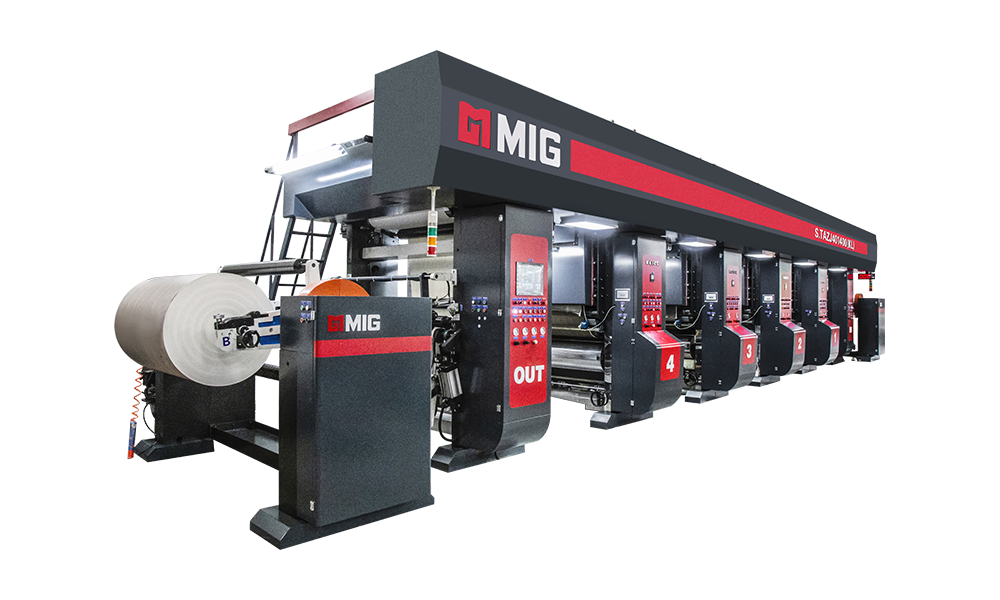
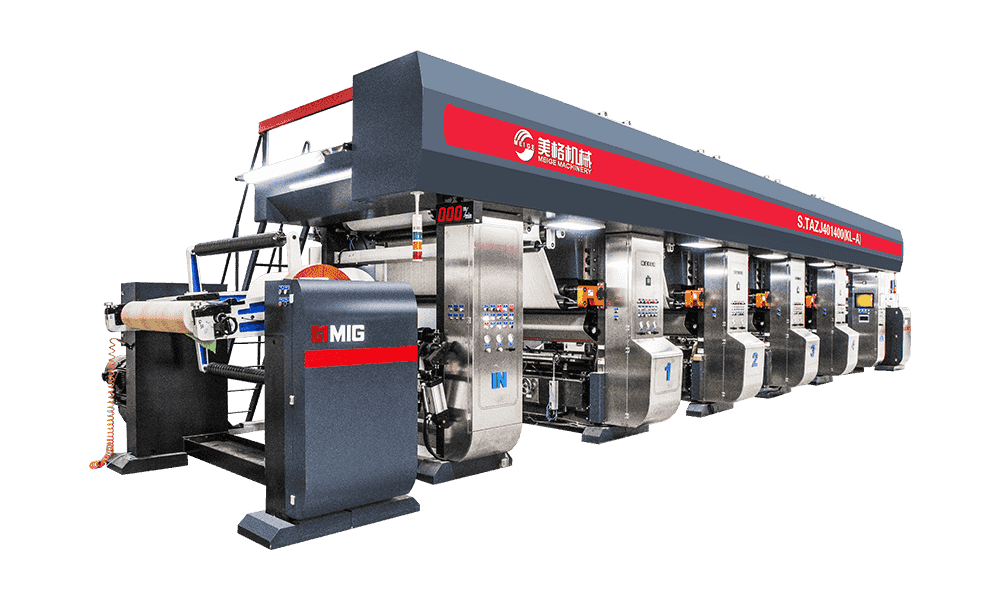
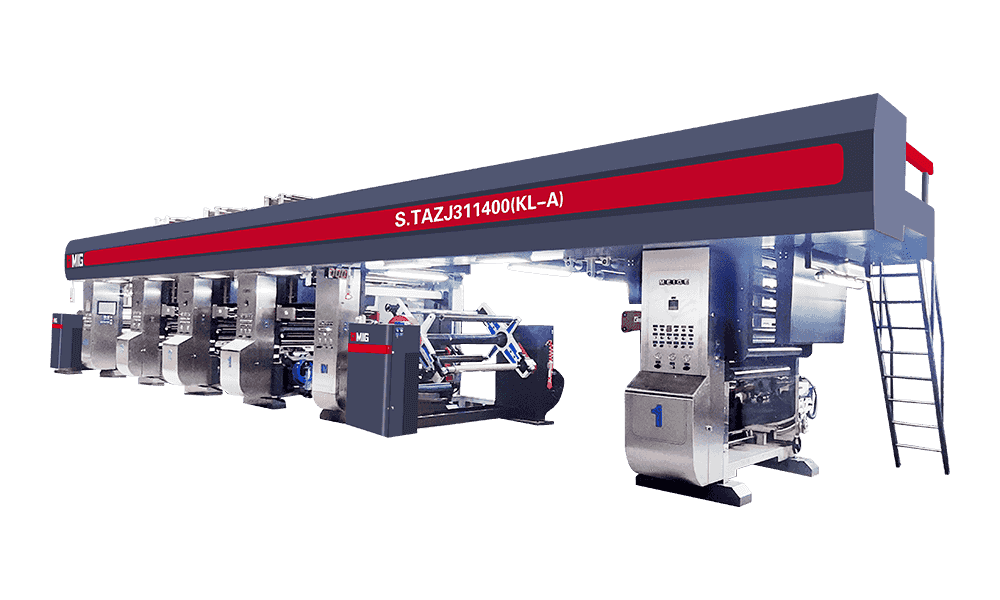
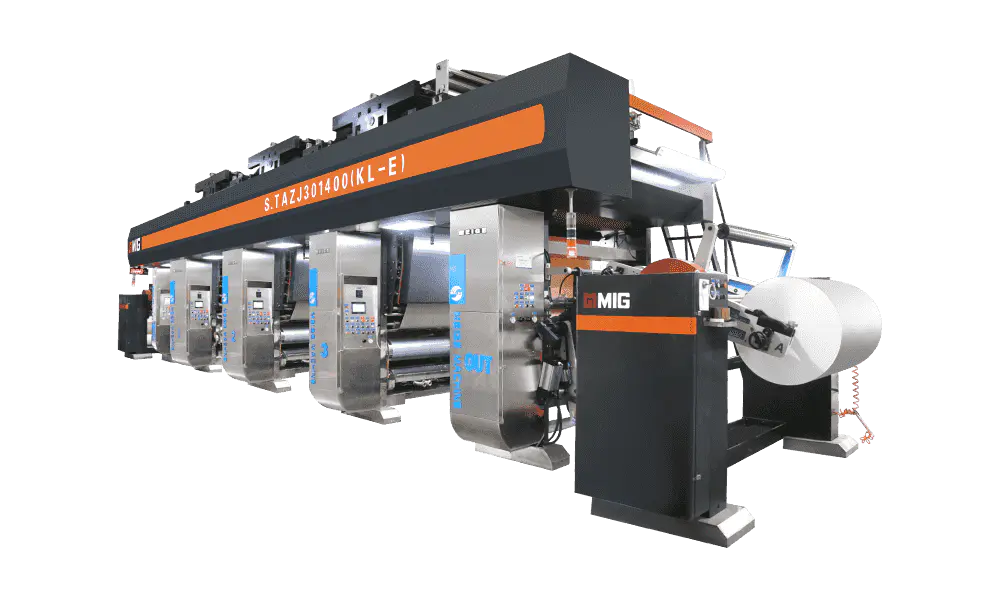
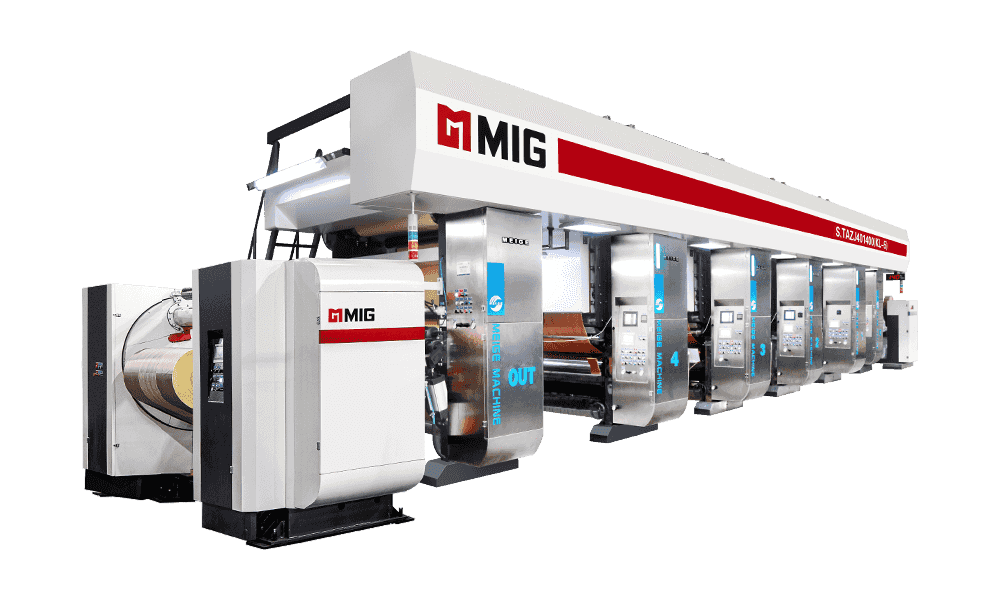
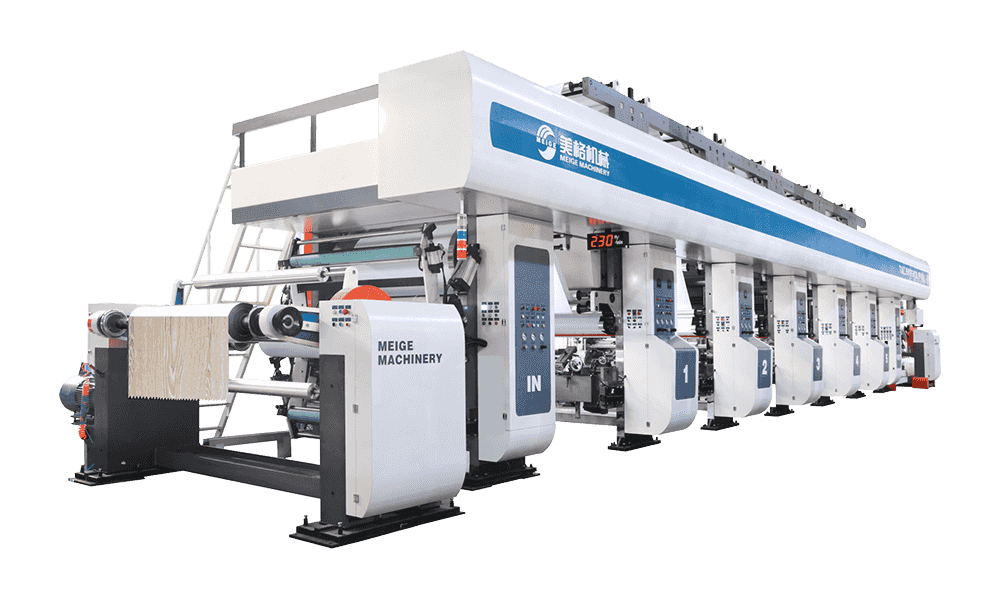
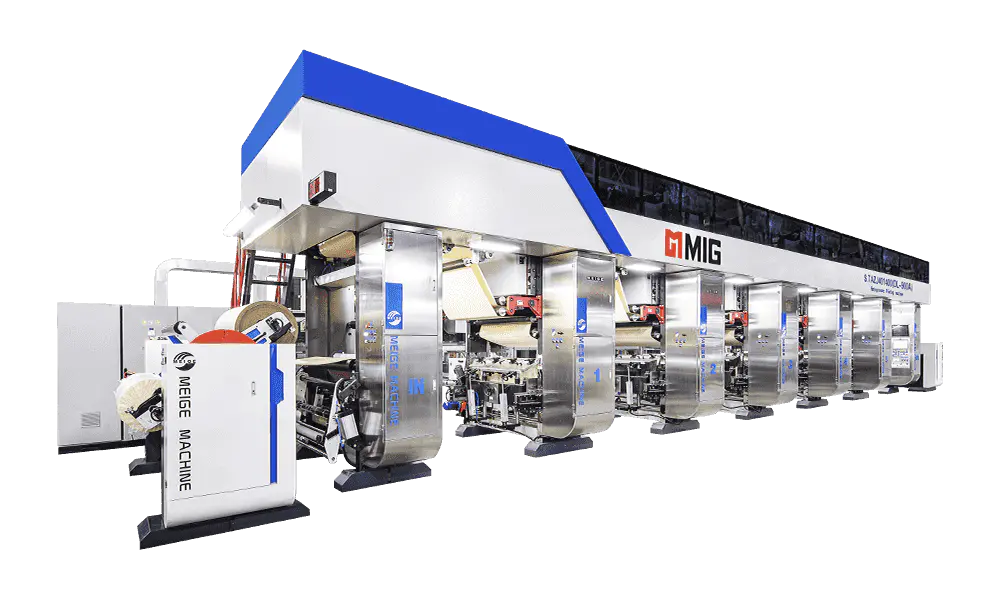
The variety of models, to meet the development needs of various regions in the world.
Message Us Right Now!
Quick Links
Products
Contact Us
- Phone: +86-13067738802 (Manager Hua)
- Tel: +86-0571-61071715
- Fax: +86-0571-61071706
- Mail: [email protected]
- Add: No.32 Wujiatou, Qingke Village, Jincheng Street, Lin'an District, Hangzhou City, Zhejiang Province

Copyright © Zhejiang Meige Machinery Technology Co., Ltd. All rights reserved.
 Privacy Rotogravure Printing Machine Manufacturers