
 English
 中文简体
中文简体What Is a Decorative Paper Gravure Printer? A Simple Guide for Buyers and Operators
Content
What Exactly Is a Decorative Paper Gravure Printer
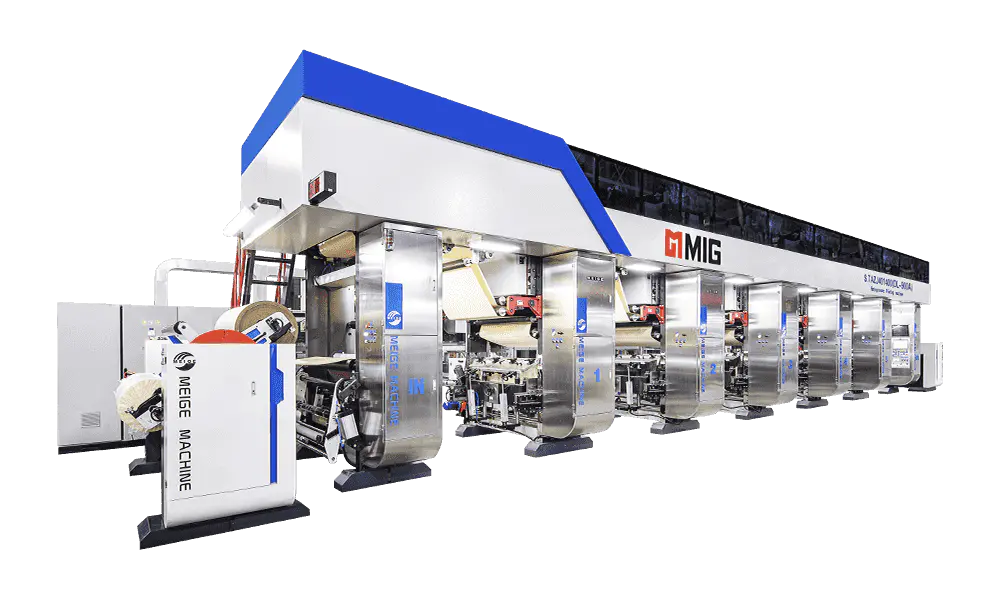
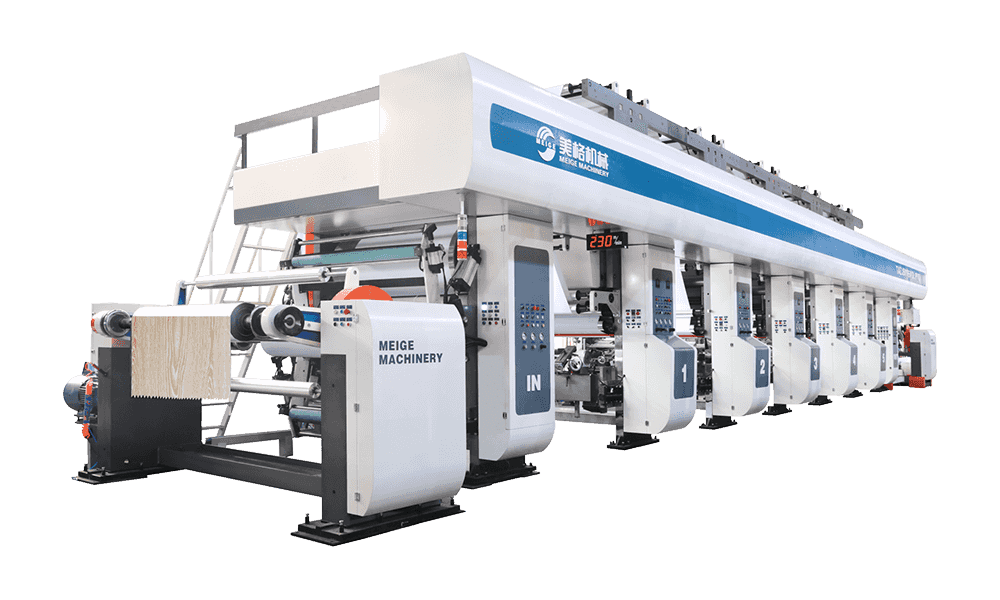
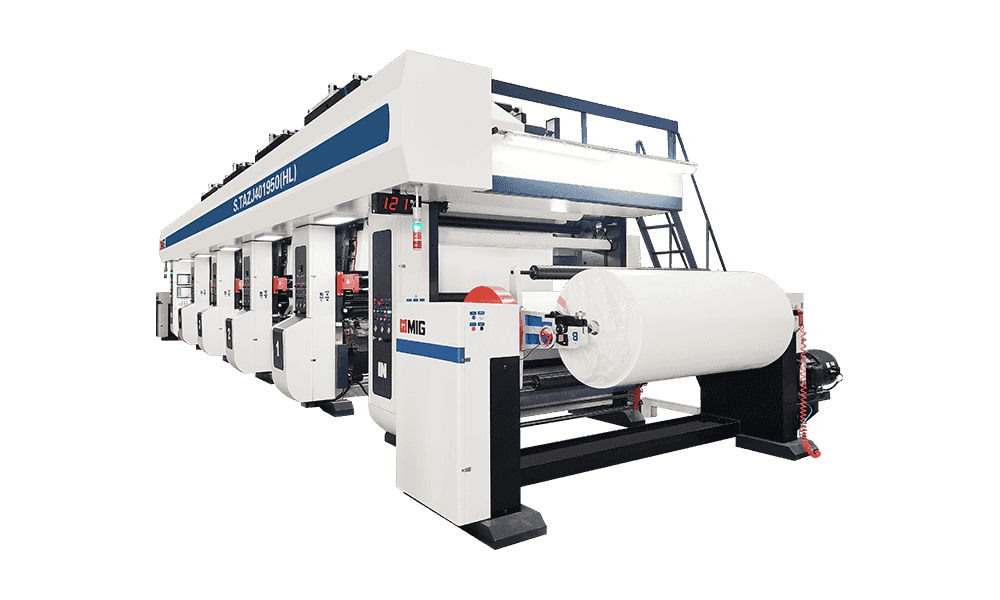
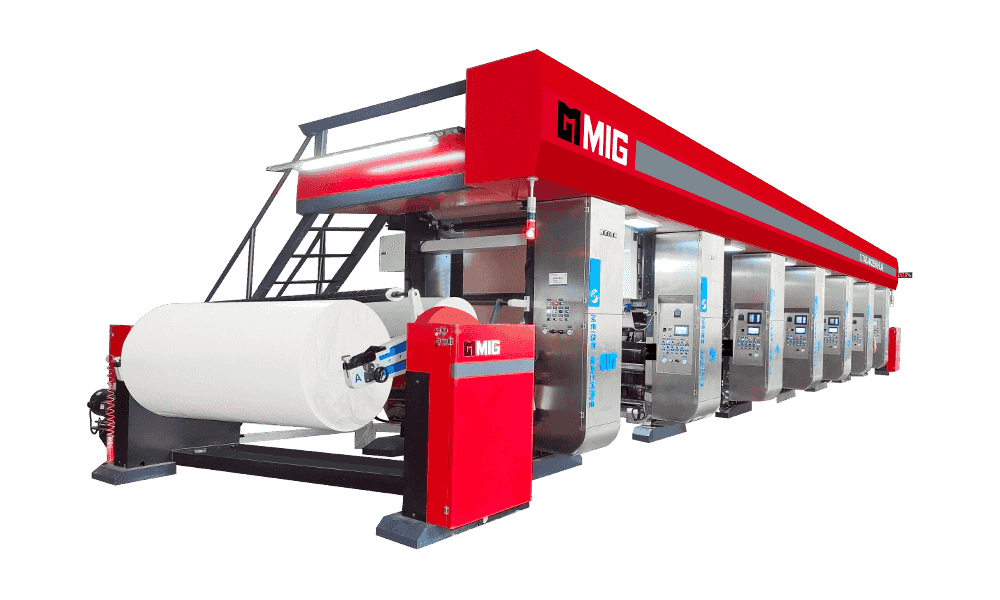
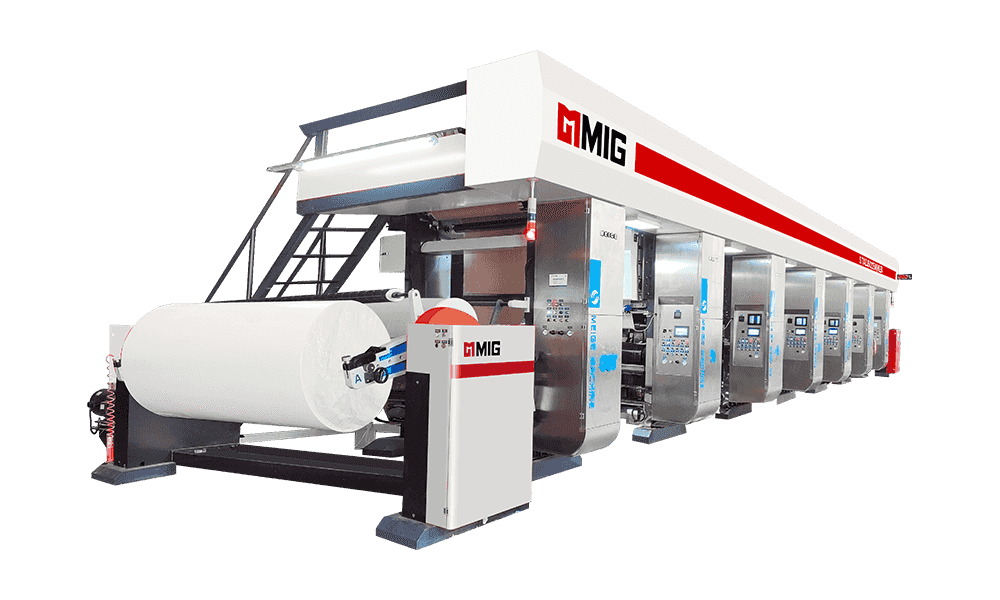
A decorative paper gravure printer is a roll-to-roll printing machine designed to transfer detailed patterns, wood grain textures, marble effects, and color designs onto paper that will later be laminated onto furniture panels, flooring, doors, and wall panels. Unlike offset or flexo machines, this type of printer uses engraved cylinders that hold tiny ink cells, allowing it to reproduce fine gradients and repeat patterns with very high consistency. This is why almost every furniture-grade decorative paper you see today, from oak-look laminate to stone-effect sheets, has passed through a gravure line at some point.
The reason manufacturers choose gravure over other printing methods for decorative paper is simple: the engraved cylinder holds ink more precisely than a flexible plate, so color depth and pattern sharpness stay stable even after printing millions of meters of paper. For a factory that runs long production batches every day, that stability translates directly into fewer rejects and a more uniform final product.
How the Printing Process Works Step by Step
Understanding the workflow helps when you're troubleshooting a machine or explaining the process to a client. Here is the typical sequence a decorative paper gravure printer follows during production:
- Paper unwinds from a jumbo roll and passes through a tension control unit to keep it flat and wrinkle-free.
- The paper enters the first printing unit, where an engraved cylinder rotates in an ink bath, picks up ink in its tiny cells, and a doctor blade scrapes off excess ink from the surface.
- The cylinder presses the paper against a rubber-covered impression roller, transferring the ink pattern onto the paper surface.
- The paper passes through a hot-air drying chamber before moving to the next color station, since most decorative designs need four to eight colors layered in sequence.
- After the final color, the paper goes through a cooling section and is rewound onto a finished roll, ready for lamination or storage.
Each color station has to be perfectly synchronized, because even a slight misalignment between cylinders can cause the wood grain lines or floral patterns to look blurry or doubled. This is why cylinder registration systems are one of the most important features to check when evaluating a machine.
Why Drying Speed Matters
Drying between color stations isn't just about preventing smudges. If the ink layer is even slightly wet when the next color is applied, colors can bleed into each other, changing the final shade. Factories running high-speed lines often invest in stronger drying units so they can push line speed higher without sacrificing print clarity.
Key Components That Affect Print Quality
When people compare decorative paper gravure printers from different manufacturers, most of the real differences come down to a handful of components. The table below breaks down what each part does and why it matters.
| Component | Function | Impact on Output |
| Engraved Cylinder | Holds the pattern and transfers ink | Determines pattern sharpness and repeat accuracy |
| Doctor Blade | Removes excess ink from cylinder surface | Affects ink consistency and cylinder lifespan |
| Tension Control System | Keeps paper flat and evenly fed | Prevents wrinkles and misregistration |
| Drying Unit | Dries ink between color stations | Controls line speed and color bleeding |
| Registration System | Aligns each color layer precisely | Prevents blurry or shifted patterns |
Common Applications of Gravure-Printed Decorative Paper
Decorative paper produced on gravure printers ends up in more places than most people realize. It's not limited to furniture surfaces; it's a core material across several manufacturing sectors that need a printed layer combined with durability once laminated.
- Laminate flooring, where printed paper is layered under a wear-resistant overlay.
- Furniture panels and cabinet doors, especially wood-grain and solid-color finishes.
- Interior wall panels and ceiling boards that mimic natural materials like stone or fabric.
- Packaging boxes that require a decorative, branded surface at low cost per unit.
- Door skins and moldings used in residential and commercial interior construction.
Because these end products are manufactured at large scale, the paper itself often needs to be printed in the tens of thousands of meters per day, which is exactly the kind of volume a gravure printer is built to handle efficiently.
What to Check Before Buying a Machine
If you're planning to invest in a decorative paper gravure printer, the machine's price tag is only part of the decision. Operating costs, cylinder replacement expenses, and after-sales support often matter more over the machine's lifetime. Here are the practical points worth confirming with any supplier.
Production Speed and Width
Confirm the maximum web width and running speed under real ink and paper conditions, not just the theoretical top speed listed in a brochure. Ask for a sample run video or, better, a trial print on your own paper stock.
Cylinder Sourcing and Engraving Cost
Since cylinders wear out and designs change over time, find out how much a new engraved cylinder costs, how long engraving takes, and whether the supplier can engrave cylinders locally or if you'll need to ship them overseas each time.
Ink Compatibility and Drying System
Different ink types (water-based versus solvent-based) require different drying setups and ventilation. Make sure the machine's drying capacity matches the ink system you plan to use, especially if local regulations restrict solvent emissions.
Spare Parts and Technical Support
A gravure line runs almost continuously in most factories, so downtime is costly. Ask how quickly the manufacturer can supply spare parts like doctor blades, bearings, and rubber rollers, and whether they offer remote or on-site technical support.
Maintenance Habits That Extend Machine Life
A well-maintained decorative paper gravure printer can run reliably for well over a decade, but that depends heavily on daily habits rather than just the build quality of the machine. Operators who follow a consistent maintenance routine tend to see far fewer unplanned stoppages.
- Clean ink pans and doctor blades daily to prevent dried ink particles from scratching the cylinder surface.
- Check cylinder engraving depth periodically, since worn cells hold less ink and gradually fade the printed color.
- Inspect rubber impression rollers for hardening or cracking, which affects how evenly ink transfers onto the paper.
- Keep drying chamber vents clear of dust buildup to maintain consistent airflow and temperature.
- Store unused cylinders in a dry, temperature-controlled area to prevent rust or corrosion on the engraved surface.
Following these steps not only reduces repair costs but also keeps print quality consistent from the first roll of the day to the last, which matters a great deal when clients expect matching batches across large orders.
Product Categories
Recommended News
Recommended Products
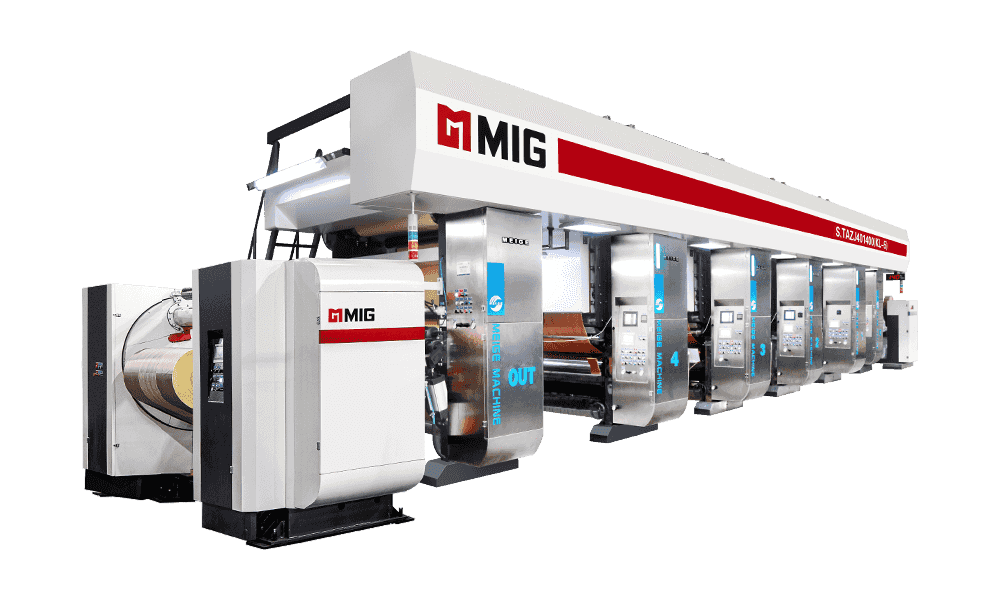
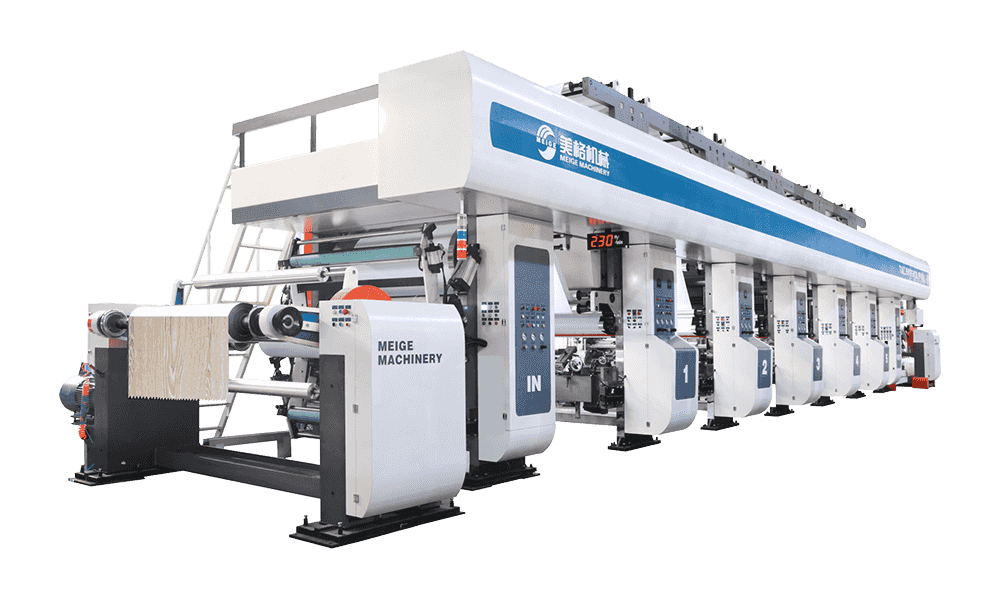
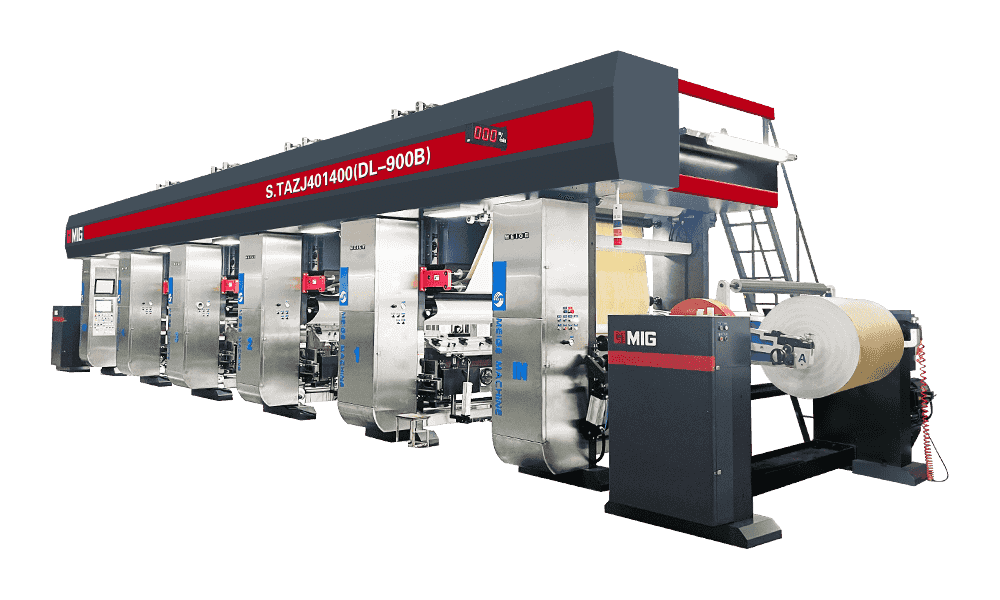
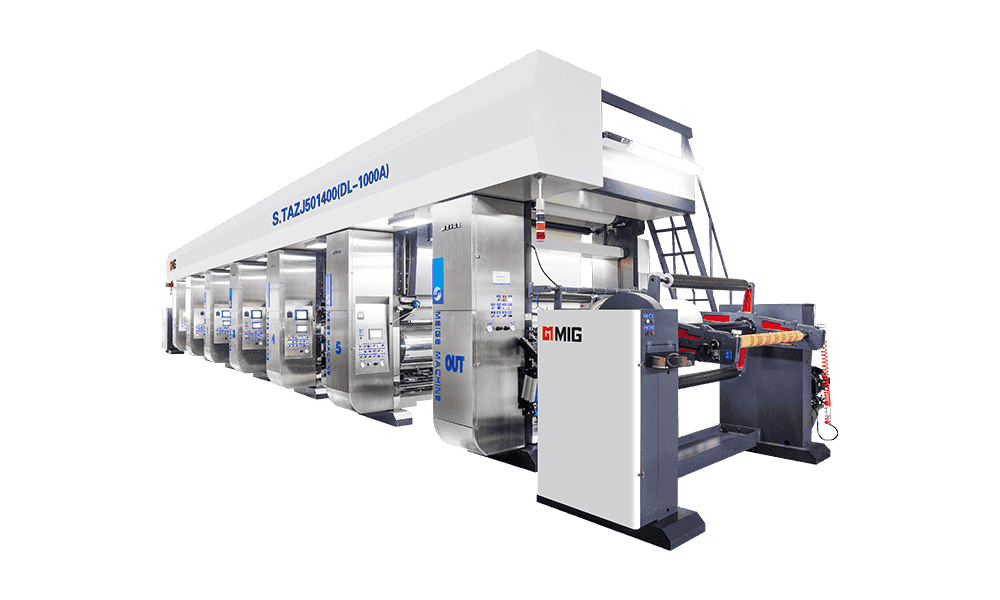
The variety of models, to meet the development needs of various regions in the world.

Message Us Right Now!
Quick Links
Products
Contact Us
- Phone: +86-13067738802 (Manager Hua)
- Tel: +86-0571-61071715
- Fax: +86-0571-61071706
- Mail: [email protected]
- Add: No.32 Wujiatou, Qingke Village, Jincheng Street, Lin'an District, Hangzhou City, Zhejiang Province

Copyright © Zhejiang Meige Machinery Technology Co., Ltd. All rights reserved.
 Privacy Rotogravure Printing Machine Manufacturers