
 English
 中文简体
中文简体PU Paper Print Machine Explained: How Synthetic Leather Gets Its Pattern and Texture
Content
- 1 What a PU Paper Print Machine Does and Why It Matters in Synthetic Leather Production
- 2 How a PU Paper Print Machine Works
- 3 Common Printing Methods Used in PU Paper Printing
- 4 Key Factors to Consider When Choosing a PU Paper Print Machine
- 5 Print Quality Factors That Affect Final Leather Appearance
- 6 Maintenance Practices That Extend Machine Life
- 7 Final Thoughts on Investing in PU Paper Print Technology
What a PU Paper Print Machine Does and Why It Matters in Synthetic Leather Production
If you have ever run your hand over a synthetic leather bag, shoe, or upholstery fabric and noticed a realistic grain pattern or textured finish, there is a good chance a PU paper print machine played a role in creating that look. This specialized equipment transfers patterns, textures, and colors onto release paper, which is then used in the production of polyurethane synthetic leather. The printed release paper acts as a mold surface, giving the final PU material its grain texture, color pattern, or decorative design during the coating and lamination process.
As demand for synthetic leather continues to grow across footwear, furniture, automotive interiors, and fashion accessories, manufacturers increasingly rely on a reliable PU paper print machine to keep up with design variety and production speed. Understanding how this equipment works and what to look for when choosing one can help manufacturers improve print quality, reduce material waste, and stay competitive in a fast-moving market.
How a PU Paper Print Machine Works
A typical PU paper print machine applies ink or coating material onto release paper through a series of coordinated stages, each contributing to the final printed texture or pattern that will later be transferred onto polyurethane material during leather production.
| Stage | Function |
| Paper unwinding | Feeds release paper roll into the machine at controlled tension |
| Ink or coating application | Applies pattern, color, or texture layer onto the paper surface |
| Drying or curing | Sets the printed layer using heated air or infrared drying |
| Inspection | Checks print consistency, color accuracy, and surface defects |
| Rewinding | Rolls the finished printed paper for storage or next production stage |
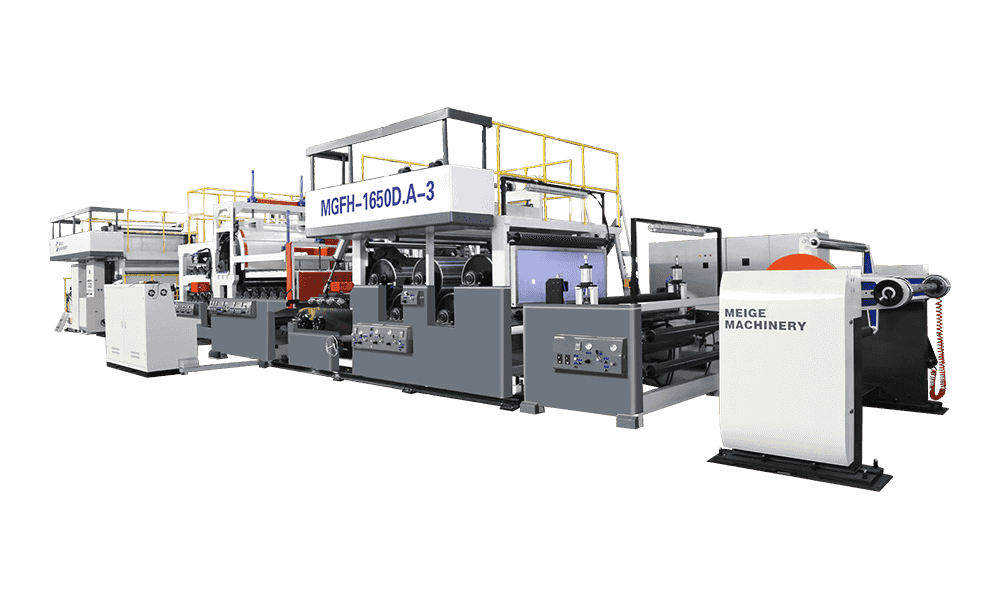
Depending on the specific model, a PU paper print machine may use gravure printing cylinders, rotary screen printing, or digital print heads to apply patterns, with each method offering different tradeoffs in terms of detail, speed, and cost per meter of printed paper.
Common Printing Methods Used in PU Paper Printing
Gravure Printing
Gravure printing uses engraved cylinders to transfer ink onto release paper with high precision, making it well suited for producing fine grain textures and detailed leather patterns at high production speeds. Many PU paper print machine models built for large-scale synthetic leather manufacturing rely on gravure cylinders because of their durability and consistent print quality over long production runs.
Rotary Screen Printing
Rotary screen printing applies ink through a cylindrical mesh screen, making it a flexible option for applying thicker coatings or specialty textures that gravure printing may struggle to reproduce. This method is often chosen when a manufacturer needs to switch between different pattern designs more frequently, since screen changes can be quicker than re-engraving gravure cylinders.
Digital Printing
Digital PU paper print machines use inkjet style print heads to apply patterns directly without the need for engraved cylinders or screens, offering greater flexibility for short production runs and custom designs. While digital printing typically costs more per unit at high volumes, it eliminates setup costs tied to cylinder engraving, making it attractive for smaller batches or frequently changing patterns.
Key Factors to Consider When Choosing a PU Paper Print Machine
Selecting the right machine depends heavily on production volume, design variety, and budget. Here are the main factors manufacturers should weigh before investing in new equipment.
- Expected production volume and how often pattern designs need to change
- Required print resolution and level of texture detail for target markets
- Compatibility with different paper widths and thicknesses used in your facility
- Drying and curing capacity relative to your target line speed
- Long-term maintenance costs and availability of spare parts and technical support
Manufacturers producing a wide variety of patterns in smaller batches may lean toward digital or rotary screen options, while those running large volumes of a limited number of designs often find gravure printing more cost effective over time.
Print Quality Factors That Affect Final Leather Appearance
Color Consistency and Matching
Since printed release paper directly determines the color and pattern transferred onto PU leather, maintaining precise color consistency across production batches is critical. A well-calibrated PU paper print machine should include color management systems that minimize batch-to-batch variation, which is especially important for brands with strict color matching requirements.
Drying Uniformity
Uneven drying can cause print defects such as smudging, color bleeding, or inconsistent texture depth. Machines equipped with multi-zone drying systems that allow independent temperature control across the width of the paper tend to produce more consistent results, particularly for wider paper rolls used in large-scale synthetic leather production.
Tension Control During Printing
Since release paper is relatively thin and can stretch or wrinkle under uneven tension, precise tension control throughout the printing and drying stages helps prevent pattern distortion. This is especially important for detailed grain textures, where even slight paper movement can create visible print misalignment on the finished leather product.
Maintenance Practices That Extend Machine Life
- Clean print cylinders or screens regularly to prevent ink buildup and pattern degradation
- Inspect drying units periodically to ensure even heat distribution across the paper width
- Calibrate tension control systems on a routine schedule to avoid paper stretching or misalignment
- Monitor ink viscosity and replace filters to maintain consistent print quality
- Schedule professional servicing for electronic control systems to prevent unexpected downtime
Following a consistent maintenance routine helps keep a PU paper print machine running at peak performance, reducing costly production downtime and minimizing material waste from defective printed rolls.
Final Thoughts on Investing in PU Paper Print Technology
Choosing the right PU paper print machine comes down to matching your production volume, design flexibility needs, and budget with the appropriate printing method, whether that is gravure, rotary screen, or digital printing. Paying close attention to color consistency, drying uniformity, and tension control will help ensure the printed release paper produces high-quality, defect-free synthetic leather that meets customer expectations. With the right equipment and maintenance routine in place, manufacturers can confidently scale production while keeping design variety and quality consistent.
Product Categories
Recommended News
Recommended Products
The variety of models, to meet the development needs of various regions in the world.
Message Us Right Now!
Quick Links
Products
Contact Us
- Phone: +86-13067738802 (Manager Hua)
- Tel: +86-0571-61071715
- Fax: +86-0571-61071706
- Mail: [email protected]
- Add: No.32 Wujiatou, Qingke Village, Jincheng Street, Lin'an District, Hangzhou City, Zhejiang Province

Copyright © Zhejiang Meige Machinery Technology Co., Ltd. All rights reserved.
 Privacy Rotogravure Printing Machine Manufacturers