
 English
 中文简体
中文简体Sample Press-board Machine: A Practical Guide for Board Manufacturers
Content
- 1 What Is a Sample Press-board Machine?
- 2 Why Sample Pressing Matters Before Full-Scale Production
- 3 Key Components of a Sample Press-board Machine
- 4 Comparing Sample Press Machines to Full-Scale Industrial Presses
- 5 What to Look for When Choosing a Sample Press Machine
- 6 Maintenance Practices That Extend Equipment Life
- 7 Sourcing Tips for Buyers
What Is a Sample Press-board Machine?
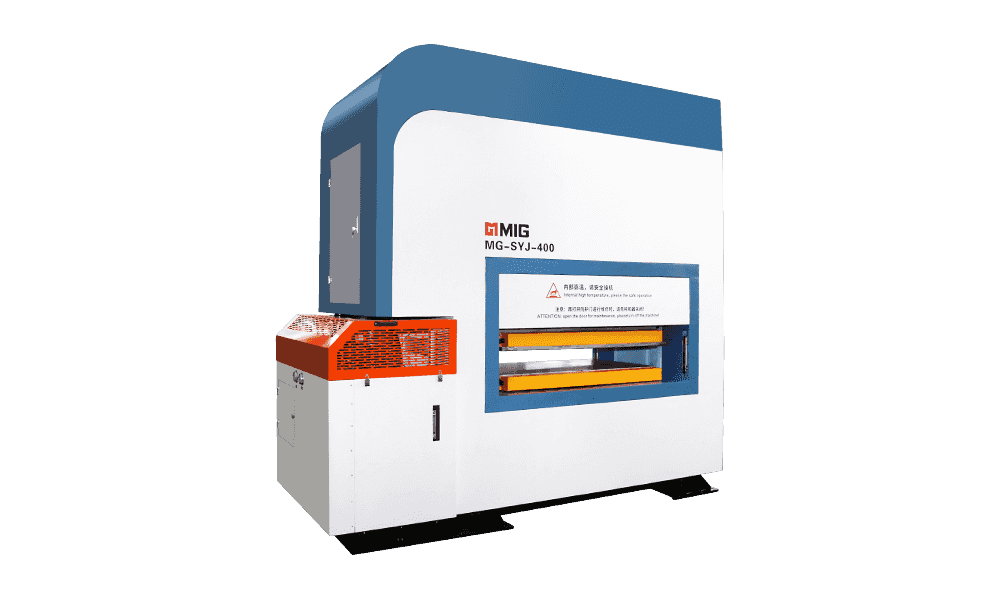
A sample press-board machine is a small-scale hot press used to produce test-sized board samples before committing to full production runs. It replicates the pressing conditions of a full-size industrial press — temperature, pressure, and pressing time — but on a much smaller board format, typically used in a lab or R&D setting. This allows manufacturers to test new material formulations, resin ratios, or fiber blends without wasting large volumes of raw material on a full production trial.
These machines are especially common in industries producing pressboard, particleboard, MDF, and similar engineered wood or fiber-based panels, where getting the pressing parameters right directly affects the final product's strength, density, and surface quality.
Why Sample Pressing Matters Before Full-Scale Production
Running a full production press cycle just to test a new material formulation is expensive and time-consuming. A sample press-board machine solves this by letting engineers and quality teams validate a formulation on a small scale first, catching problems before they turn into costly production-line mistakes.
- Reduces raw material waste during formulation testing
- Speeds up R&D cycles for new product development
- Allows quality control teams to verify resin content and pressing parameters
- Helps identify defects like delamination or uneven density before scaling up
- Supports customer sample requests without tying up the main production line
For manufacturers serving multiple markets with different board specifications, having a dedicated sample pressing setup also means faster turnaround when clients request custom samples for approval.
Key Components of a Sample Press-board Machine
Understanding the core components helps buyers evaluate whether a specific machine model will meet their testing needs.
Heating Platens
The heated plates that apply temperature to the board sample during pressing. Even heat distribution across the platen surface is critical, since hot spots or cold zones can create inconsistent curing across the test sample.
Hydraulic Pressure System
This system controls how much force is applied to the board during pressing. Accurate, adjustable pressure control is essential for replicating real production conditions on a smaller scale.
Control Panel and Timer
Modern sample press machines typically include digital controls for setting precise temperature, pressure, and pressing duration, allowing operators to replicate exact test conditions repeatedly across multiple trials.
Comparing Sample Press Machines to Full-Scale Industrial Presses
While both machine types serve the same basic pressing function, their scale and purpose differ significantly.
| Factor | Sample Press-board Machine | Full-Scale Industrial Press |
| Board Size | Small, lab-scale format | Full production dimensions |
| Primary Use | Testing, R&D, quality validation | Mass production output |
| Material Consumption | Minimal | High |
| Space Requirement | Compact, lab-friendly footprint | Large industrial floor space |
| Cost | Lower | Significantly higher |
Because of these differences, most manufacturers use a sample press-board machine as a complementary tool alongside their main production press rather than a replacement for it.
What to Look for When Choosing a Sample Press Machine
Not all sample pressing equipment is built to the same standard, and choosing the wrong specification can lead to unreliable test results that don't translate well to full-scale production.
- Temperature range and accuracy needed for your specific board formulation
- Maximum pressure capacity and how finely it can be adjusted
- Platen size relative to the sample dimensions you typically need to test
- Ease of cleaning between test runs to avoid cross-contamination of resin or fiber material
- Availability of repeatable, programmable pressing cycles for consistent testing
Machines with digital, programmable controls tend to produce more consistent results across repeated tests, which matters a lot when comparing different material formulations against each other.
Maintenance Practices That Extend Equipment Life
Like any pressing equipment, a sample press-board machine requires regular upkeep to maintain accurate and reliable performance over time. Platens should be checked periodically for warping or uneven wear, since even slight surface irregularities can affect sample consistency. Hydraulic systems should also be inspected for leaks or pressure drift, as gradual pressure loss can quietly skew test results without an obvious cause.
Keeping a maintenance log that tracks calibration checks and any repairs helps operators catch performance drift early, ensuring that test results remain reliable and comparable across different testing periods.
Sourcing Tips for Buyers
When sourcing a sample press-board machine, it's worth requesting a live demonstration or trial run using your own material formulation rather than relying solely on manufacturer specifications. This helps confirm the machine can actually replicate the pressing conditions your specific board type requires.
It's also good practice to ask suppliers about after-sales technical support, spare parts availability, and calibration services, since these factors often matter more for long-term equipment reliability than the initial purchase price alone.
Product Categories
Recommended News
Recommended Products
The variety of models, to meet the development needs of various regions in the world.
Message Us Right Now!
Quick Links
Products
Contact Us
- Phone: +86-13067738802 (Manager Hua)
- Tel: +86-0571-61071715
- Fax: +86-0571-61071706
- Mail: [email protected]
- Add: No.32 Wujiatou, Qingke Village, Jincheng Street, Lin'an District, Hangzhou City, Zhejiang Province

Copyright © Zhejiang Meige Machinery Technology Co., Ltd. All rights reserved.
 Privacy Rotogravure Printing Machine Manufacturers