
 English
 中文简体
中文简体Multi Layers Laminate Machine: A Practical Guide to Choosing and Operating One
From composite panels and flooring materials to printed circuit boards and packaging films, a huge range of everyday products depend on multiple layers of material being permanently and evenly bonded together. This is exactly the job a multi layers laminate machine is built for. Unlike simple single-layer bonding equipment, a multi-layer laminating machine is designed to stack, align, and fuse several material layers simultaneously under controlled heat and pressure, producing a finished product with consistent thickness, strong interlayer adhesion, and a smooth, defect-free surface. This article breaks down how this equipment works, what industries rely on it, and what to look for when selecting the right machine for your production needs.
Content
- 1 How a Multi Layers Laminate Machine Works
- 2 Core Components of a Multi-Layer Laminating Machine
- 3 Industries and Applications That Rely on Multi-Layer Lamination
- 4 Key Factors That Affect Lamination Quality
- 5 How to Choose the Right Multi Layers Laminate Machine
- 6 Maintenance Practices That Extend Machine Lifespan
- 7 Common Issues and Troubleshooting Tips
How a Multi Layers Laminate Machine Works
At its core, a multi layers laminate machine operates by feeding multiple material layers — which may include films, foils, papers, fabrics, or composite sheets — through a series of rollers or a hydraulic press where heat and pressure are applied simultaneously. The heat softens adhesive layers or resin coatings between the materials, while the pressure ensures even contact across the entire surface area, eliminating air pockets and achieving a strong, uniform bond.
Depending on the machine type, lamination can occur through continuous roll-to-roll processing or through a stationary flat-bed press cycle. Roll-to-roll systems are typically used for flexible materials produced in large continuous runs, such as packaging film or laminated fabric, while flat-bed or platen-style machines are better suited for rigid or semi-rigid materials like panels, boards, or PCB substrates that require precise, even pressure across a fixed sheet size.
Core Components of a Multi-Layer Laminating Machine
Understanding the main components of a multi layers laminate machine helps clarify how it achieves consistent results across different materials and production volumes.
- Heating platens or rollers — apply controlled, uniform heat to activate adhesives or resins between layers
- Hydraulic or pneumatic pressure system — ensures even pressure distribution across the entire lamination surface
- Feeding and alignment system — positions each material layer accurately before pressing to prevent misalignment or wrinkling
- Cooling section — gradually reduces temperature after bonding to stabilize the laminate and prevent warping
- Control panel and sensors — allow operators to set and monitor temperature, pressure, and cycle time with precision
Industries and Applications That Rely on Multi-Layer Lamination
Because lamination technology spans such a wide variety of materials and industries, a multi layers laminate machine is far from a single-purpose tool. Common applications include the following.
Electronics and PCB Manufacturing
In printed circuit board production, multi-layer laminating machines bond copper foil, prepreg, and core layers together under precise heat and pressure to form rigid, multi-layer boards. Accuracy is critical here, since even slight misalignment between layers can affect circuit performance.
Flooring and Panel Production
Laminate flooring, decorative wall panels, and furniture boards are commonly produced using multi-layer lamination, where a decorative paper layer, a resin-impregnated core, and a protective overlay are fused into a single durable panel.
Packaging and Flexible Film
Food packaging and industrial film products often require multiple layers of plastic film, foil, or paper to achieve specific barrier properties against moisture, oxygen, or light. Roll-to-roll multi-layer laminating machines allow manufacturers to produce these composite films continuously and at scale.
Textile and Fabric Lamination
In technical textiles, layers of fabric are bonded with membranes or foam backing to produce waterproof, breathable, or insulated materials used in outdoor apparel, automotive interiors, and industrial safety gear.
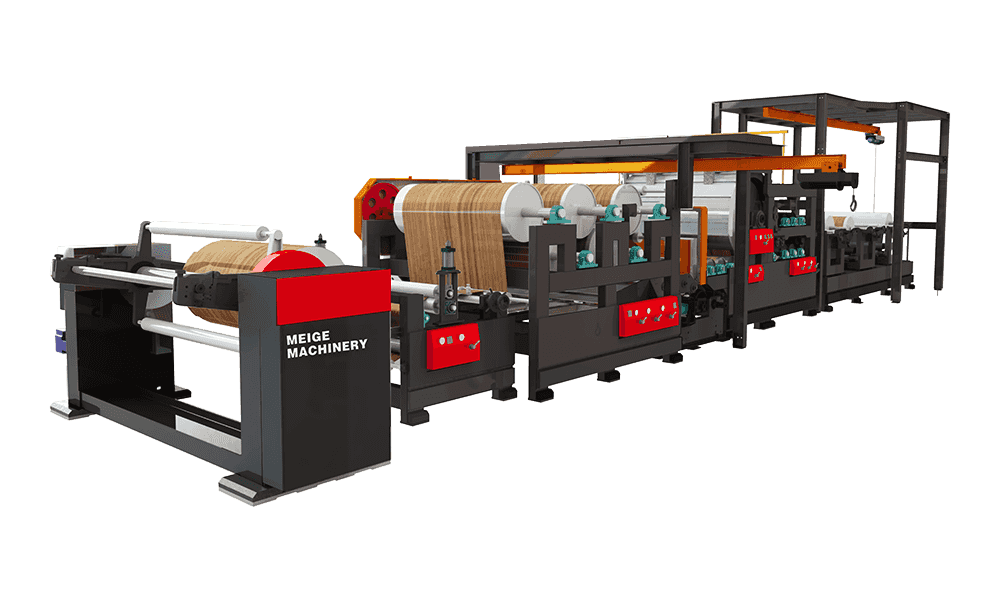
Key Factors That Affect Lamination Quality
Achieving a strong, defect-free laminate depends on carefully balancing several process variables. Getting any one of these out of range can lead to weak bonding, bubbling, or warping in the finished product.
| Factor | Effect on Lamination Quality |
| Temperature | Too low results in weak bonding; too high can scorch materials or degrade adhesives |
| Pressure | Uneven pressure causes air pockets or inconsistent thickness across the sheet |
| Dwell Time | Insufficient time prevents full adhesive activation; excessive time slows production |
| Material Alignment | Misalignment leads to wrinkling, bubbling, or visible layer shifting |
| Cooling Rate | Rapid cooling can cause warping; controlled cooling stabilizes the finished laminate |
How to Choose the Right Multi Layers Laminate Machine
Selecting the appropriate machine depends heavily on the materials being processed, production volume, and the level of precision required. Consider the following factors before purchasing or upgrading equipment.
- Material compatibility — confirm the machine can handle the specific films, foils, papers, or composites used in your production
- Maximum working width and thickness — ensure the machine accommodates your typical product dimensions
- Number of layers supported — some machines are designed for two-layer bonding, while others handle five or more layers simultaneously
- Heating and cooling system precision — look for machines with tight temperature control and gradual, even cooling
- Automation level — automated feeding, alignment, and cycle control reduce labor requirements and improve consistency
- Production speed and cycle time — match the machine's throughput capabilities to your required output volume
Maintenance Practices That Extend Machine Lifespan
Like any industrial equipment operating under sustained heat and pressure, a multi layers laminate machine requires regular maintenance to perform reliably over its service life. Heating platens and rollers should be inspected periodically for surface wear, scale buildup, or uneven heating, since inconsistencies here directly translate into lamination defects.
Hydraulic or pneumatic systems responsible for applying pressure should also be checked regularly for leaks, pressure drops, or seal wear, as reduced pressure output can compromise bond strength without necessarily producing an obvious warning sign. Additionally, keeping feeding and alignment mechanisms clean and free of adhesive buildup helps prevent material jams and misalignment during production runs.
Common Issues and Troubleshooting Tips
Even well-maintained equipment can occasionally produce defects, and understanding common causes helps operators diagnose issues quickly rather than halting production unnecessarily.
Bubbling or delamination between layers is often traced back to insufficient heat, inadequate pressure, or trapped air during the feeding process. Warping after cooling frequently points to uneven cooling rates or residual stress introduced during the pressing cycle. Surface marks or uneven gloss can result from contamination on the heating platens or inconsistent pressure distribution across the roller or press bed. In most cases, recalibrating temperature and pressure settings, along with a thorough cleaning of contact surfaces, resolves the majority of quality issues encountered in day-to-day operation.
Product Categories
Recommended News
Recommended Products
The variety of models, to meet the development needs of various regions in the world.
Message Us Right Now!
Quick Links
Products
Contact Us
- Phone: +86-13067738802 (Manager Hua)
- Tel: +86-0571-61071715
- Fax: +86-0571-61071706
- Mail: [email protected]
- Add: No.32 Wujiatou, Qingke Village, Jincheng Street, Lin'an District, Hangzhou City, Zhejiang Province

Copyright © Zhejiang Meige Machinery Technology Co., Ltd. All rights reserved.
 Privacy Rotogravure Printing Machine Manufacturers