
 English
 中文简体
中文简体 русский
 فارسی
فارسی عربى
عربى Deutsch
How a Gravure Printing Machine for Home Decoration Turns Plain Paper Into Wood-Grain Floors and Wallpaper
Content
- 1 What a Gravure Printing Machine for Home Decoration Actually Does
- 2 The Main Home Decoration Materials Printed With Gravure Technology
- 3 Core Components of a Gravure Printing Machine and What Each One Controls
- 4 Key Features That Separate a Good Machine From a Basic One
- 5 Gravure Printing Compared to Other Decoration Printing Methods
- 6 What to Consider When Choosing a Gravure Printing Machine for a Home Decoration Production Line
- 7 Maintaining Print Quality and Machine Performance Over Time
What a Gravure Printing Machine for Home Decoration Actually Does
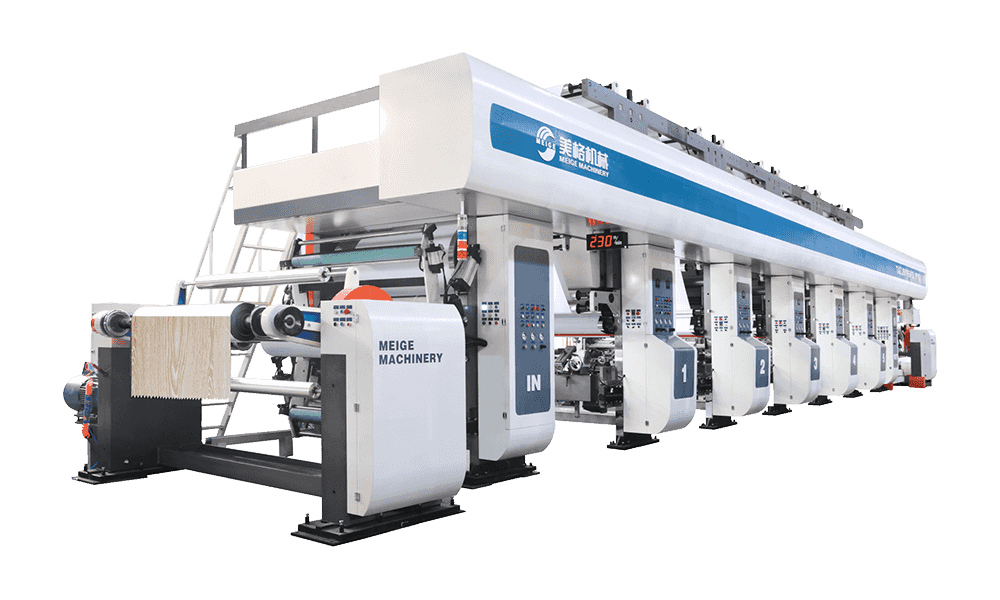
A gravure printing machine for home decoration is industrial equipment built to print continuous patterns, such as wood grain, stone texture, or decorative motifs, onto rolls of paper or film that later become flooring, furniture surfaces, wallpaper, or laminate panels. The process works by engraving a pattern as millions of tiny ink-holding cells directly into the surface of a steel cylinder, which has been coated in copper for engraving and finished with chrome for durability. As the cylinder rotates, a doctor blade scrapes away excess ink from the surface, leaving ink only in the engraved cells, and a rubber impression roller presses the material against the cylinder so it picks up the ink from those cells in a precise, repeatable pattern.
This is what makes a gravure printing machine fundamentally different from other printing technologies used in the decoration industry. Because the image is physically engraved into the cylinder rather than created on a flexible plate, the printed result is extremely consistent from the first meter of material to the last, which matters enormously when you're trying to print thousands of meters of matching wood-grain decor paper or wallpaper for a single production run. Gravure cylinders are also remarkably long-lasting, since print runs of two to three million impressions from a single engraved cylinder set are common, making this process especially cost-effective for the long, repeating production runs typical of home decoration materials.
The Main Home Decoration Materials Printed With Gravure Technology
Gravure printing machines are used across several distinct branches of the home decoration industry, and each application has slightly different material and ink requirements. Knowing which category your production falls into is the first step in specifying the right machine.
- Decorative paper (decor paper) used for melamine-faced particleboard, MDF panels, and laminate flooring
- PVC and other plastic film printed with wood-grain or stone patterns for furniture veneer and panel surfaces
- Wallpaper, including both standard residential rolls and wide-format seamless wallpaper
- Transfer printing paper used to apply decorative patterns onto other surfaces during a secondary process
- Furniture leather and synthetic upholstery materials requiring printed texture or pattern
Decor paper destined for laminate production deserves particular attention, since it's impregnated with melamine resin after printing and the resin content needed varies by end use. Paper used for particleboard and MDF veneering typically carries a low-pressure melamine resin content of around 130% to 150%, while paper destined for laminate flooring generally uses a resin content closer to 70% to 100%. High-pressure melamine impregnated decor paper, used to produce fire-resistant decorative laminates, typically falls in the 60% to 100% resin range. These differences matter because they affect how the gravure-printed pattern needs to be designed and how the printing machine's drying system needs to be tuned, since the printed ink layer has to survive the heat and pressure of the later impregnation and lamination steps without distorting.
Core Components of a Gravure Printing Machine and What Each One Controls
Every gravure printing machine, whether configured for decor paper, wallpaper, or PVC film, is built around the same fundamental set of components arranged in a line of printing units. Understanding what each part does helps when comparing machines or troubleshooting print quality issues on the production floor.
| Component | Function |
| Printing Cylinder | Engraved with the pattern; holds and transfers ink to the substrate |
| Doctor Blade | Scrapes excess ink from the cylinder surface so only engraved cells retain ink |
| Impression Roller | Presses the material against the cylinder to transfer the ink pattern |
| Inking System | Supplies and recirculates ink to the printing station via pump and ink pan |
| Drying System | Dries ink on the substrate before it reaches the next printing unit |
| Tension and Registration Control | Keeps material feeding stable and colors aligned across multiple print stations |
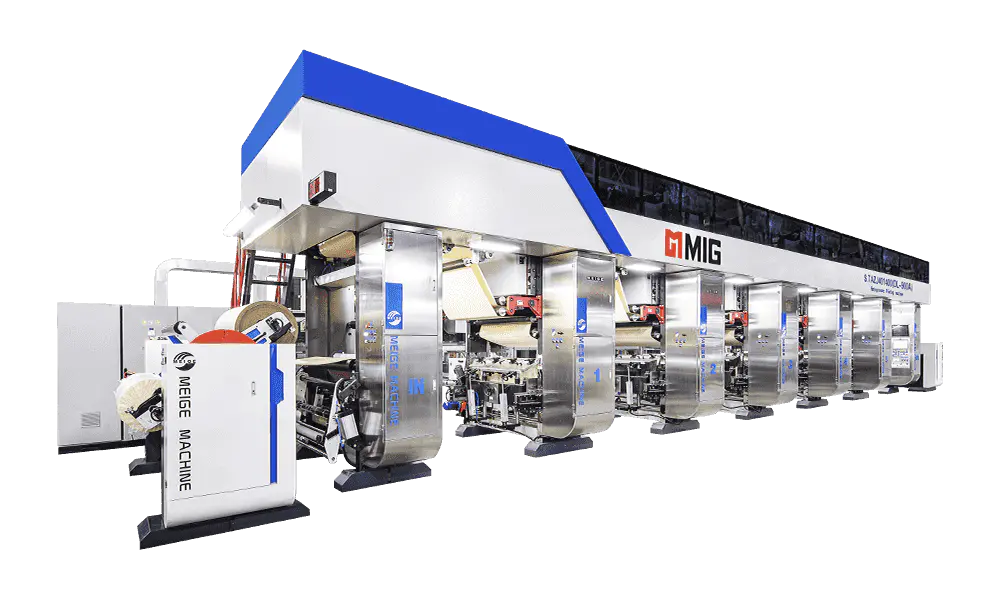
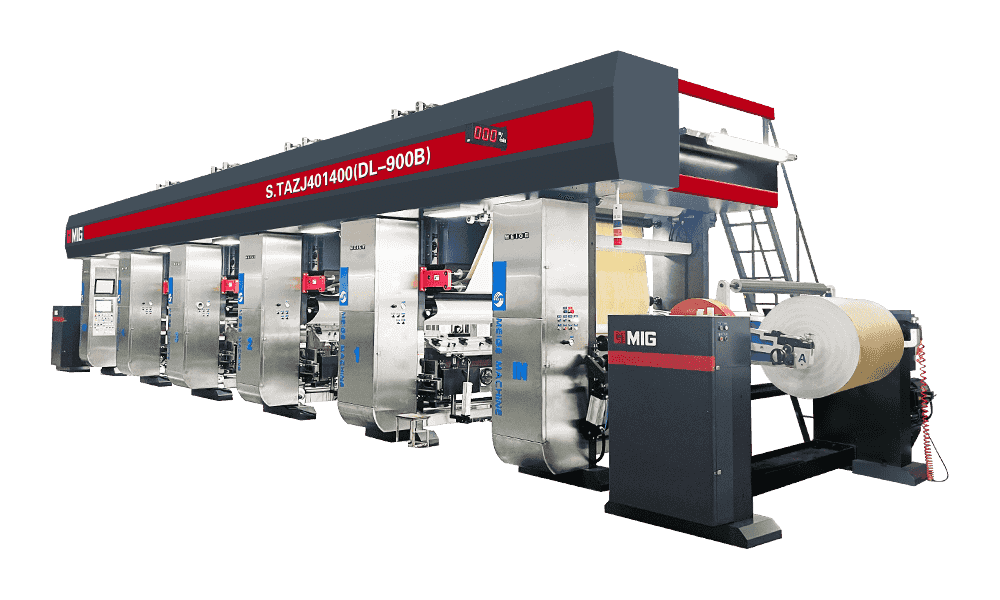
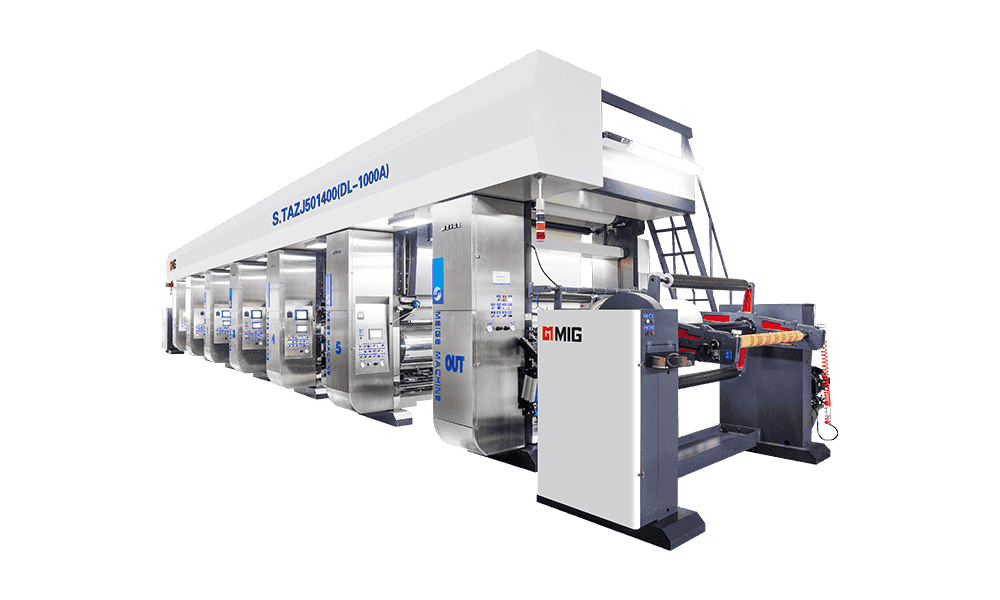
For multi-color decorative patterns, such as realistic wood grain that needs several shades layered precisely on top of one another, the machine is arranged as a sequence of these printing units side by side, with one unit dedicated to each color. Large gravure printing machines used for wallpaper and decor paper production can hold up to a dozen cylinders, with each one responsible for laying down a single color before the material moves to a dryer and proceeds to the next station.
Key Features That Separate a Good Machine From a Basic One
Not every gravure printing machine on the market is built to the same standard, and for home decoration applications, where color accuracy and pattern repeatability directly affect how a finished floor or wall panel looks, certain features make a meaningful difference in production quality and efficiency.
Color Registration and Tension Control Systems
Color registration accuracy refers to how precisely each color layer lines up with the others as the material passes through multiple printing stations, and this is one of the most important specifications for any home decoration gravure line. Machines built with integrated electronic shaft and registration control systems, paired with dedicated tension control to keep material feeding stable, deliver far more consistent color alignment than older mechanically-driven shaft designs. A pre-registration function, which lets the machine align colors before full production starts, also meaningfully reduces material waste and shortens setup time between print jobs, which matters a lot when running shorter batches of varied decorative patterns.
Ink Systems: Water-Based vs. Oil-Based vs. Alcohol-Based
Gravure printing machines for home decoration materials can be configured to run water-based, oil-based, or alcohol-based inks, and the right choice depends heavily on the substrate and the downstream process. Water-based inks have become increasingly popular for decor paper and wallpaper printing because they reduce solvent emissions and are generally considered safer for indoor-use products, while oil-based and alcohol-based inks are still common for certain PVC film and transfer paper applications where specific adhesion or drying characteristics are needed. A rigid scraper system that keeps water-based ink scraped evenly without vibrating the blade is particularly important, since uneven scraping shows up immediately as streaking or inconsistent tone in the finished decorative pattern.
Drying and Hot Air Circulation
An optimized hot air circulation system that keeps temperature uniform and wind speed consistent across the drying chamber is essential for maintaining accurate hue in the printed material. Inconsistent drying temperature is one of the most common causes of color drift between the beginning and end of a long production roll, which is especially problematic for decor paper destined for laminate flooring, where slight color shifts become very noticeable once panels are installed side by side in a room.
Gravure Printing Compared to Other Decoration Printing Methods
Gravure isn't the only printing method used in home decoration manufacturing, and it helps to understand how it stacks up against the alternatives before committing to equipment. Surface printing uses a metal roller with a raised rubber pattern to apply ink, which is generally less expensive but offers less fine detail than gravure. Rotary screen printing, which combines gravure-style mechanics with photographically produced mesh stencils, can run very quickly and handle up to a dozen colors, making it a reasonable middle ground for certain wallpaper applications. Digital printing has also begun to enter the decor paper and laminate market, offering the advantage of short, customized runs with variable imagery, since it eliminates the need to engrave a physical cylinder for every design.
| Printing Method | Best For | Key Tradeoff |
| Gravure Printing | Long, high-volume runs of the same pattern | High setup cost; most economical at scale |
| Surface (Roller) Printing | Simple, lower-cost patterns | Less fine detail than gravure |
| Rotary Screen Printing | Fast multi-color wallpaper runs | Stencil setup still required per design |
| Digital Printing | Short runs, customized or variable designs | Higher cost and lower speed for large volumes |
Despite the rise of digital alternatives, gravure printing remains the dominant choice for decor paper and laminate production specifically because its cost advantage only grows the larger the production run gets, and most home decoration manufacturers are producing the same wood-grain or stone pattern across very large volumes rather than constantly switching designs.
What to Consider When Choosing a Gravure Printing Machine for a Home Decoration Production Line
Selecting the right gravure printing machine for a home decoration operation comes down to matching the equipment's printing width, number of color stations, ink system, and automation level to your actual product mix. Printing width should be chosen based on the final products you're manufacturing; wide-format machines capable of producing seamless, full-wall wallpaper require a substantially different web width than a standard machine printing decor paper destined for narrower laminate flooring planks.
The number of color (printing) stations on the machine determines how complex a pattern can be reproduced in a single pass; realistic wood-grain or natural stone patterns often require four to eight separate color layers to achieve a convincing, dimensional look, so a machine with too few stations will force compromises in pattern detail. It's also worth evaluating whether the machine supports the specific substrate types your business plans to run, since some machines are purpose-built for paper-based decor stock while others are designed to handle PVC film, aluminum foil, or a combination of materials. Finally, consider the practical realities of changeover time and waste reduction; a machine with pre-registration and electronic shaft control will cost more upfront but will reliably save material and labor time across a production schedule that involves frequent pattern changes.
- Match printing width to your largest planned product format, including seamless wallpaper if applicable
- Choose enough color stations to reproduce the pattern complexity your designs require
- Confirm the machine's ink system matches your substrate and environmental requirements
- Prioritize electronic registration and tension control if pattern accuracy is critical to your product line
- Factor in cylinder engraving and replacement costs as part of the total cost of ownership
Maintaining Print Quality and Machine Performance Over Time
A gravure printing machine represents a significant capital investment, and protecting that investment means paying attention to a few recurring maintenance priorities. The doctor blade should be inspected regularly for wear, since a worn or improperly seated blade is one of the most common sources of streaking or uneven ink deposit on finished decorative material. Cylinder care matters just as much; because the engraved pattern is what defines product quality, cylinders should be cleaned thoroughly after each production run and stored properly to prevent corrosion or scratching of the engraved cells, since damage to the cylinder surface directly translates into visible pattern defects.
Routine calibration of the tension control and registration systems is equally important, particularly after any significant changeover or extended downtime, since even small drift in these systems compounds across a long multi-color print run. Many manufacturers also schedule periodic checks of the drying system's hot air circulation, since uneven heating not only affects color consistency but can also create problems with how the printed paper or film behaves later during melamine impregnation or lamination. Treating the gravure printing machine as a precision system that needs ongoing attention, rather than a "set it and forget it" production asset, is what keeps home decoration manufacturers producing consistent, high-quality patterned material run after run.
Recommended Products
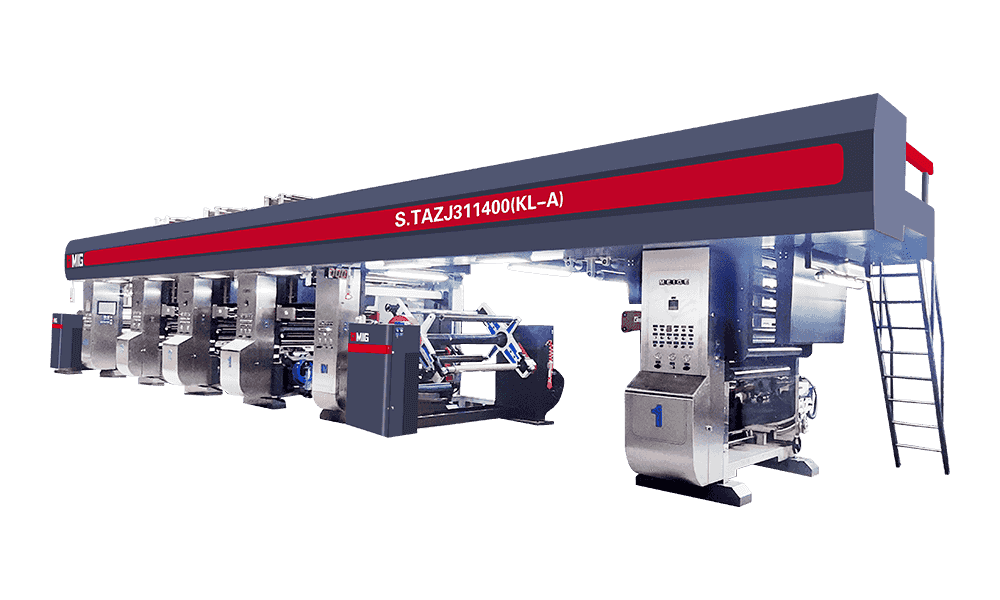
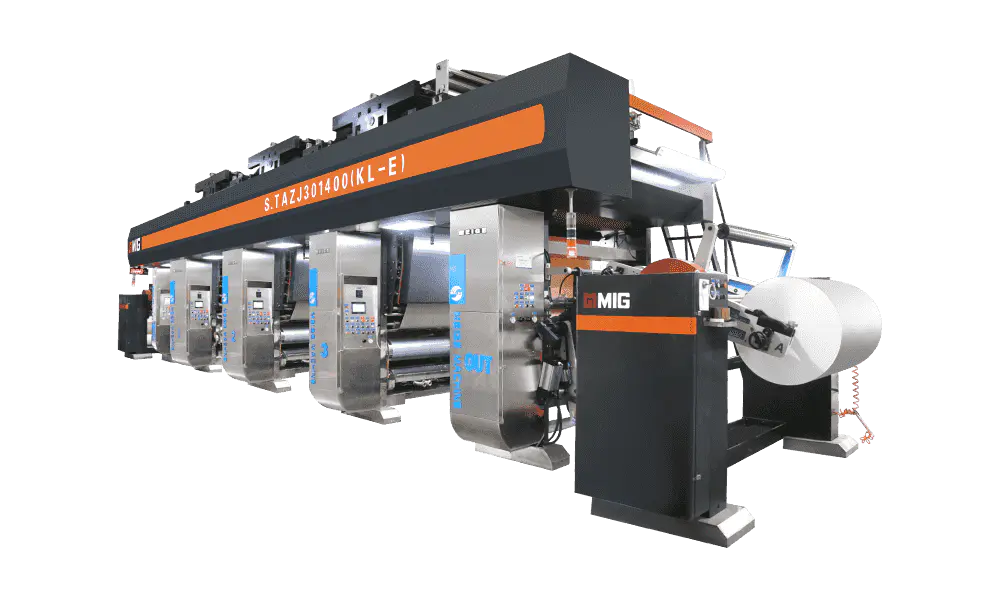
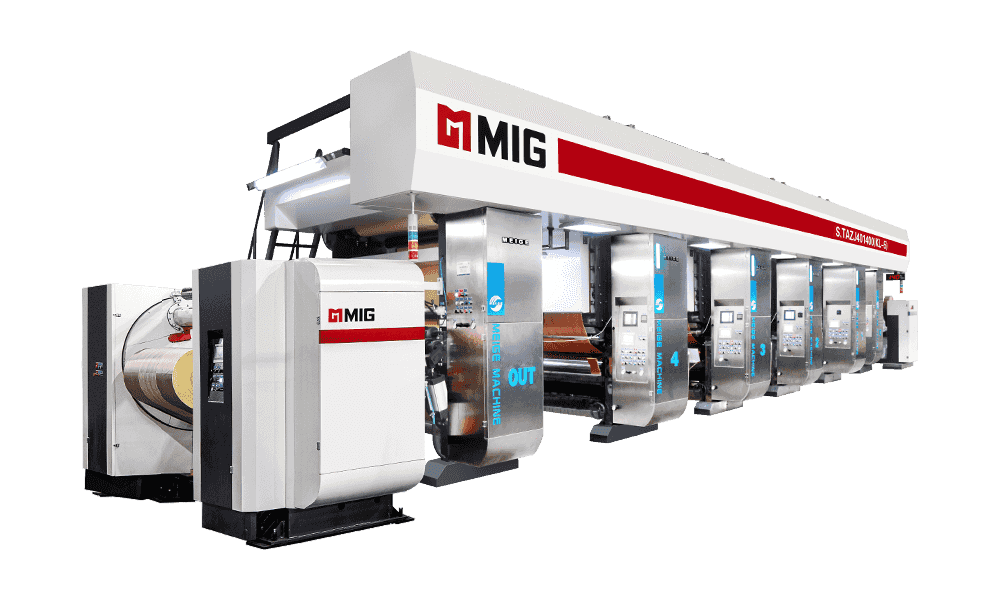
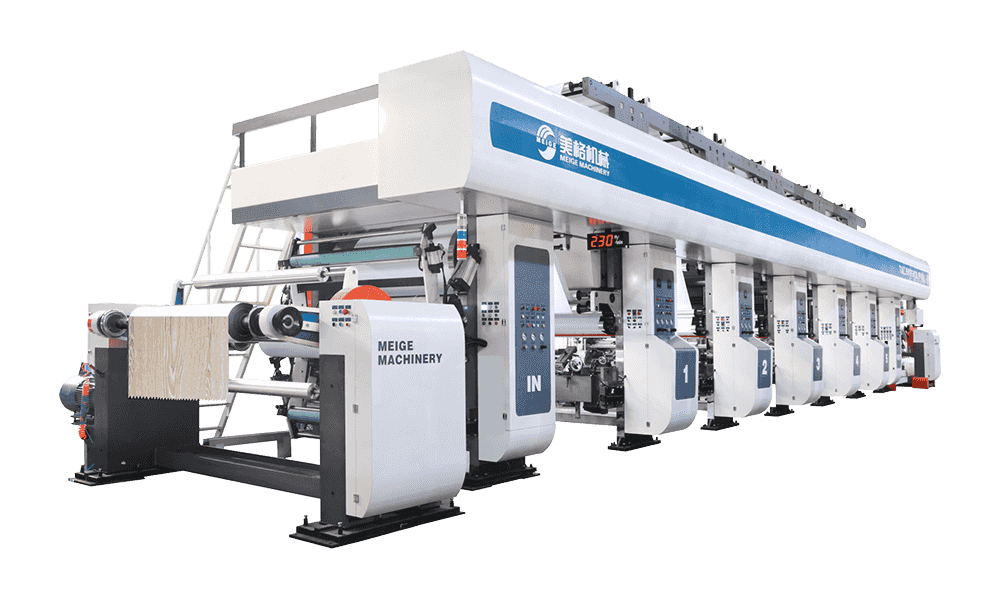
The variety of models, to meet the development needs of various regions in the world.
Message Us Right Now!
Quick Links
Products
Contact Us
- Phone: +86-13067738802 (Manager Hua)
- Tel: +86-0571-61071715
- Fax: +86-0571-61071706
- Mail: [email protected]
- Add: No.32 Wujiatou, Qingke Village, Jincheng Street, Lin'an District, Hangzhou City, Zhejiang Province

Copyright © Zhejiang Meige Machinery Technology Co., Ltd. All rights reserved.
 Privacy Rotogravure Printing Machine Manufacturers