
 English
 中文简体
中文简体What Is a Sample Press-board Machine and Why Your Lab Actually Needs One
Content
- 1 What a Sample Press-board Machine Actually Does
- 2 Core Components That Make the Machine Work
- 3 Industries That Rely on This Equipment
- 4 How to Choose the Right Sample Press-board Machine
- 5 Maintenance Tips to Extend Machine Life
- 6 Common Problems and Practical Fixes
- 7 Final Thoughts on Investing in a Sample Press-board Machine
What a Sample Press-board Machine Actually Does
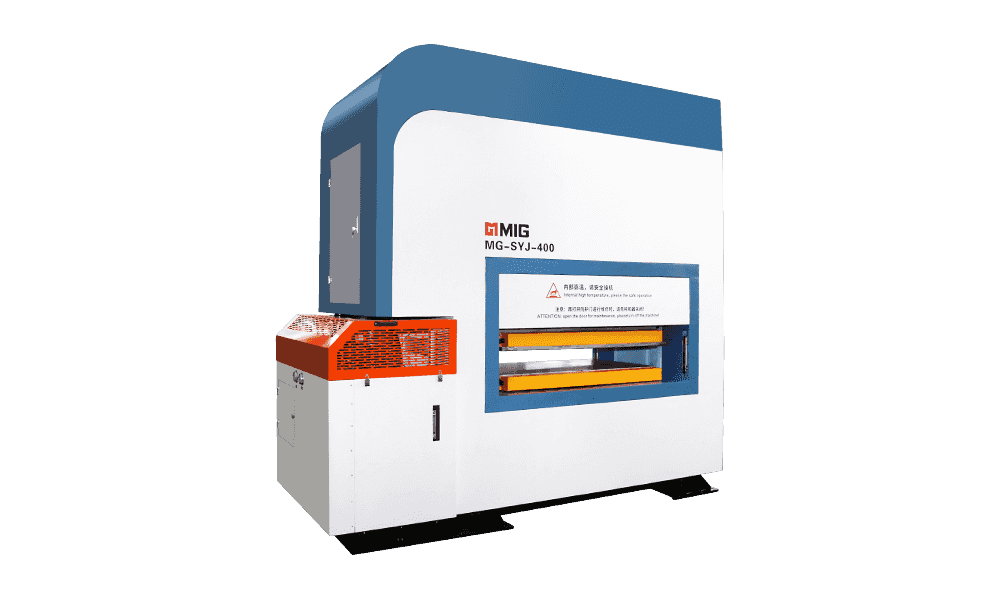
A sample press-board machine is a piece of lab or production equipment used to compress raw fiber, pulp, or composite material into flat, dense boards under controlled heat and pressure. Instead of pressing an entire production batch, this machine works on small test samples first, letting engineers check density, thickness, moisture content, and mechanical strength before committing to a full production run. This step matters a lot in industries like electrical insulation, furniture panel manufacturing, and packaging, where even a small miscalculation in pressure or temperature can ruin an entire batch of material.
Most sample press-board machines combine a hydraulic or pneumatic press with heated platens. The operator loads a pre-formed mat of fiber or pulp between the plates, sets the target pressure and temperature, and the machine compresses the material for a fixed cycle time. The result is a small test board that mirrors what a full-size production board would look like, just on a much smaller and more controllable scale.
Core Components That Make the Machine Work
Even though sample press-board machines come in different sizes and price ranges, they generally share the same core parts. Understanding these components helps buyers compare machines more intelligently instead of just looking at the price tag.
- Heated platens: flat metal plates that transfer consistent heat to the sample, usually powered by electric heating elements or oil circulation.
- Hydraulic or pneumatic cylinder: generates the pressing force, often adjustable from a few tons up to several hundred tons depending on the model.
- Temperature controller: keeps platen temperature stable within a tight tolerance, since even a few degrees of drift can change board density.
- Pressure gauge and timer: lets the operator log exact pressure and cycle duration for repeatable testing.
- Frame and safety guard: a rigid steel frame that resists deformation under load, paired with safety interlocks to protect the operator.
Industries That Rely on This Equipment
Sample press-board machines are not limited to one type of factory. They show up anywhere a manufacturer needs to validate material behavior before scaling up production. Below are the most common use cases.
Electrical Insulation Manufacturing
Transformer board and other electrical insulation pressboard must meet strict dielectric strength and density standards. Manufacturers use sample press-board machines to test pulp formulations before running a full production batch, saving both material and downtime.
Furniture and Panel Production
Particleboard, MDF, and fiberboard producers use these machines to fine-tune resin ratios and pressing cycles. A properly calibrated sample gives a preview of warping, surface smoothness, and screw-holding strength.
Packaging and Pulp Molding
Molded pulp packaging manufacturers rely on sample presses to check how different fiber blends hold shape and resist crushing, which directly affects shipping protection.
How to Choose the Right Sample Press-board Machine
Picking the right machine depends heavily on the type of material being tested and how often the machine will run. The table below breaks down the main factors buyers should weigh before purchasing.
| Factor | Why It Matters | Typical Range |
| Pressing Force | Determines maximum board density achievable | 10–300 tons |
| Platen Size | Limits maximum sample dimensions | 300mm–800mm square |
| Heating Method | Affects heat-up speed and consistency | Electric or oil-heated |
| Control System | Manual, semi-automatic, or fully programmable | Varies by budget |
Maintenance Tips to Extend Machine Life
A well-maintained sample press-board machine can run reliably for many years, but neglect leads to inconsistent test results and costly repairs. Regular upkeep should become part of the daily and monthly routine.
- Check hydraulic fluid levels weekly and replace fluid according to the manufacturer's schedule.
- Clean platen surfaces after every use to prevent resin buildup that can affect heat transfer.
- Calibrate temperature and pressure sensors at least every six months.
- Inspect seals and hoses for leaks before they cause pressure loss mid-cycle.
- Keep a maintenance log so recurring issues can be spotted early.
Common Problems and Practical Fixes
Even reliable machines run into issues over time. Uneven board thickness is often caused by worn or misaligned platens, and it can usually be fixed by re-leveling the press frame. Inconsistent density between samples is frequently a temperature control problem, so checking the thermocouple calibration is the first troubleshooting step. If the machine struggles to reach target pressure, the hydraulic pump or relief valve is the most likely culprit and should be inspected before assuming the motor has failed. Keeping a simple troubleshooting checklist near the machine helps operators solve minor issues without waiting on a technician.
Final Thoughts on Investing in a Sample Press-board Machine
A sample press-board machine may look like a small piece of equipment compared to a full production press, but its impact on product quality and cost control is significant. By testing material formulations on a small scale first, manufacturers avoid wasting raw material, reduce downtime, and catch quality issues before they become expensive production failures. Whether you are producing electrical insulation board, furniture panels, or molded pulp packaging, having the right sample press on hand is one of the smartest investments a quality control lab can make.
Product Categories
Recommended News
Recommended Products
The variety of models, to meet the development needs of various regions in the world.
Message Us Right Now!
Quick Links
Products
Contact Us
- Phone: +86-13067738802 (Manager Hua)
- Tel: +86-0571-61071715
- Fax: +86-0571-61071706
- Mail: [email protected]
- Add: No.32 Wujiatou, Qingke Village, Jincheng Street, Lin'an District, Hangzhou City, Zhejiang Province

Copyright © Zhejiang Meige Machinery Technology Co., Ltd. All rights reserved.
 Privacy Rotogravure Printing Machine Manufacturers