English
 中文简体
中文简体 русский
 فارسی
فارسی عربى
عربى Deutsch
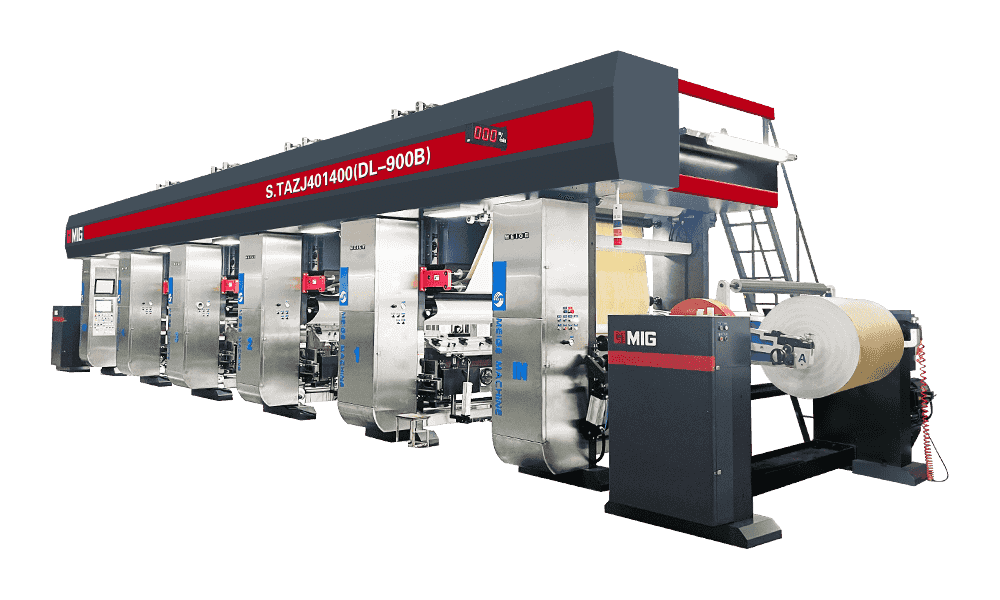
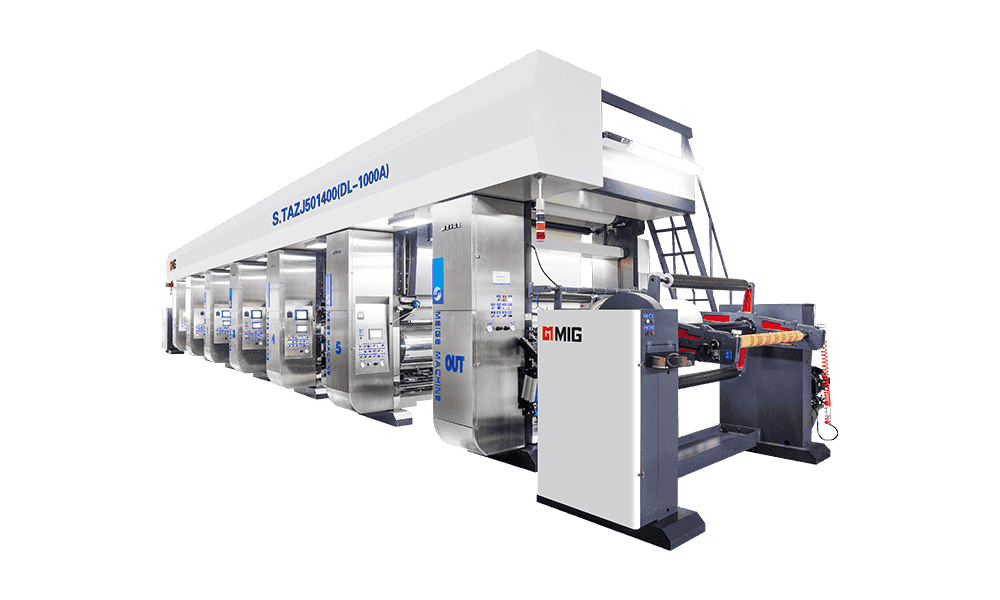
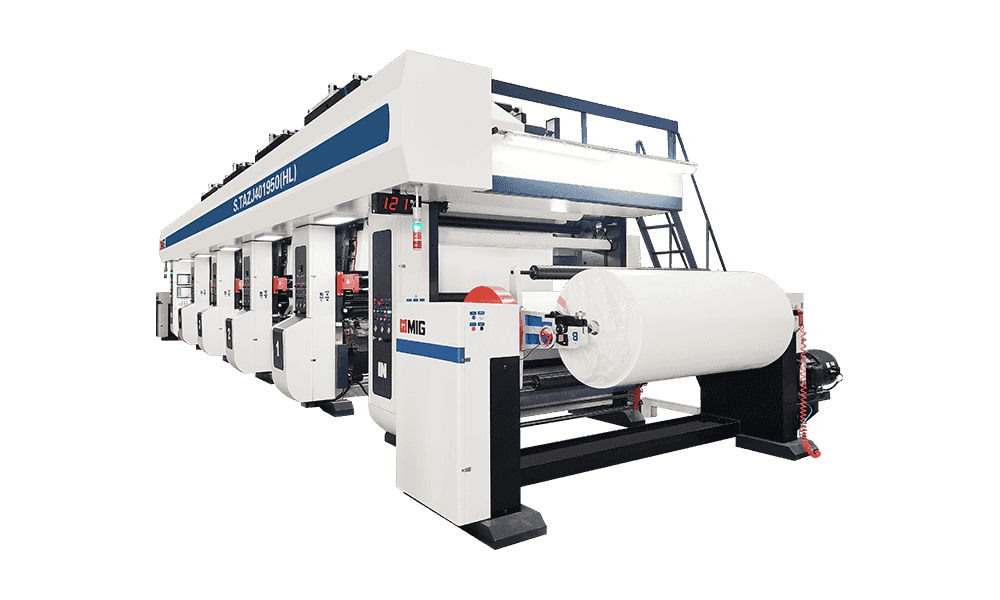
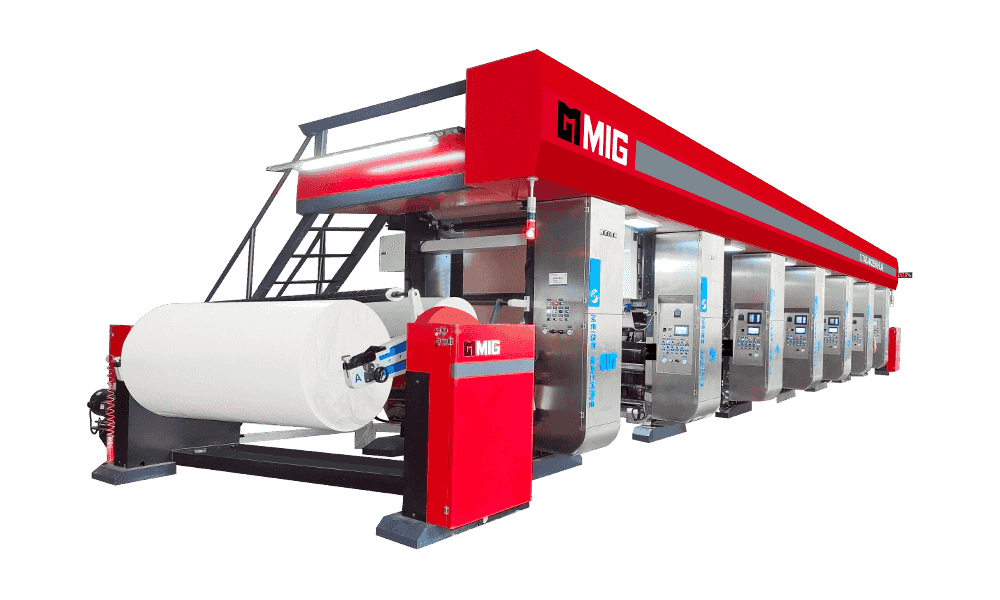
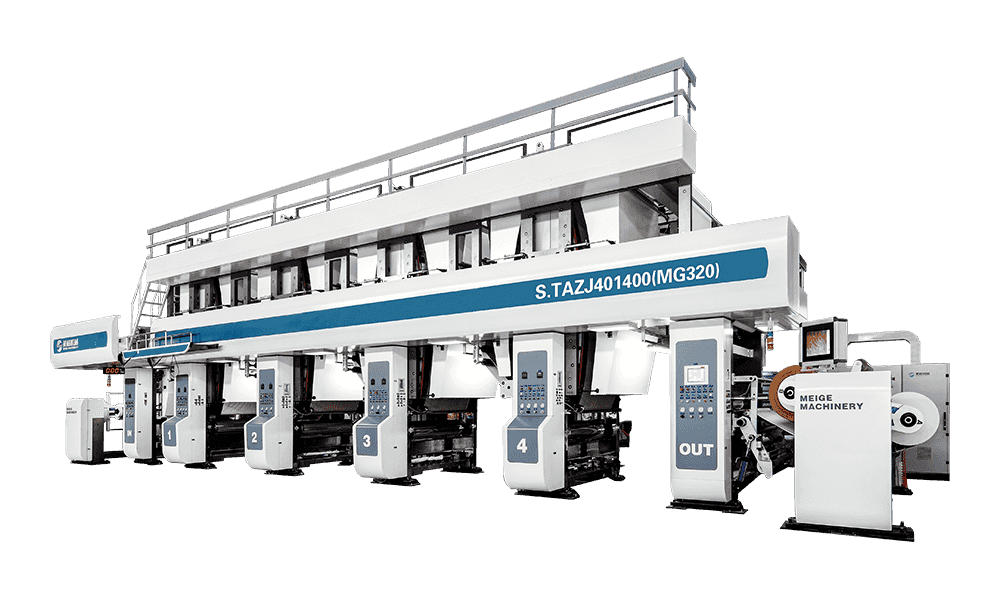
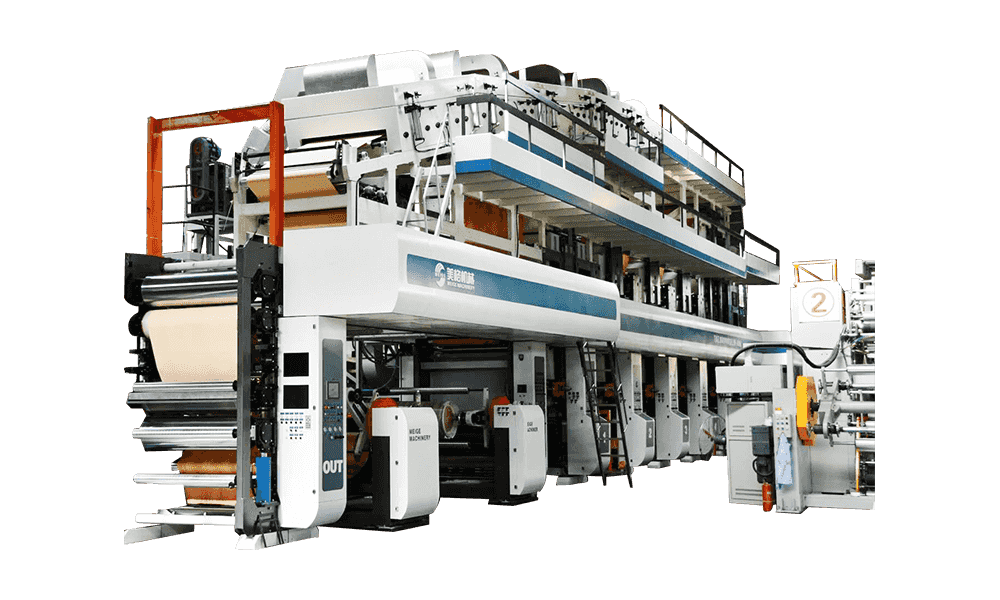
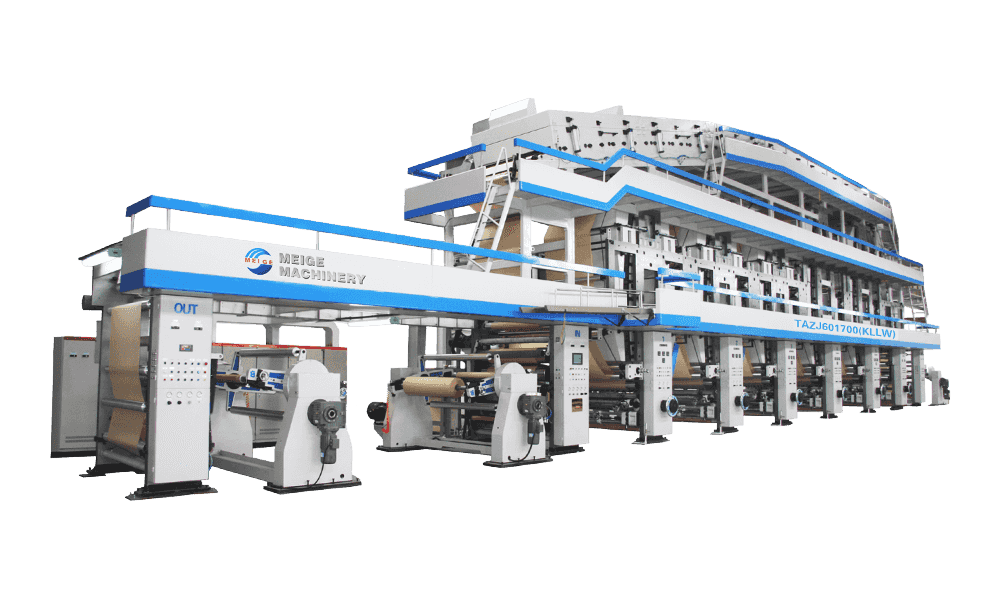
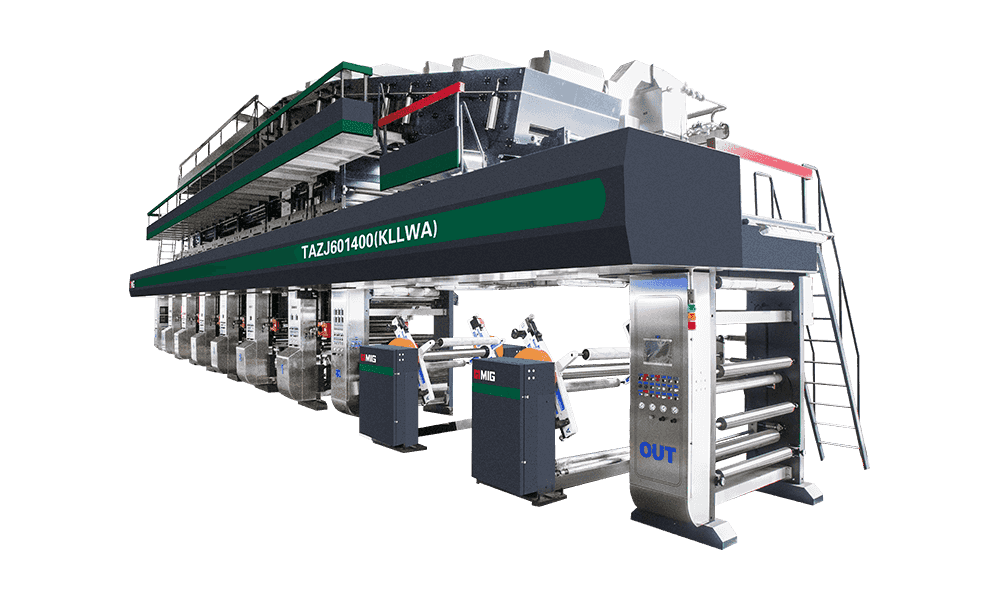
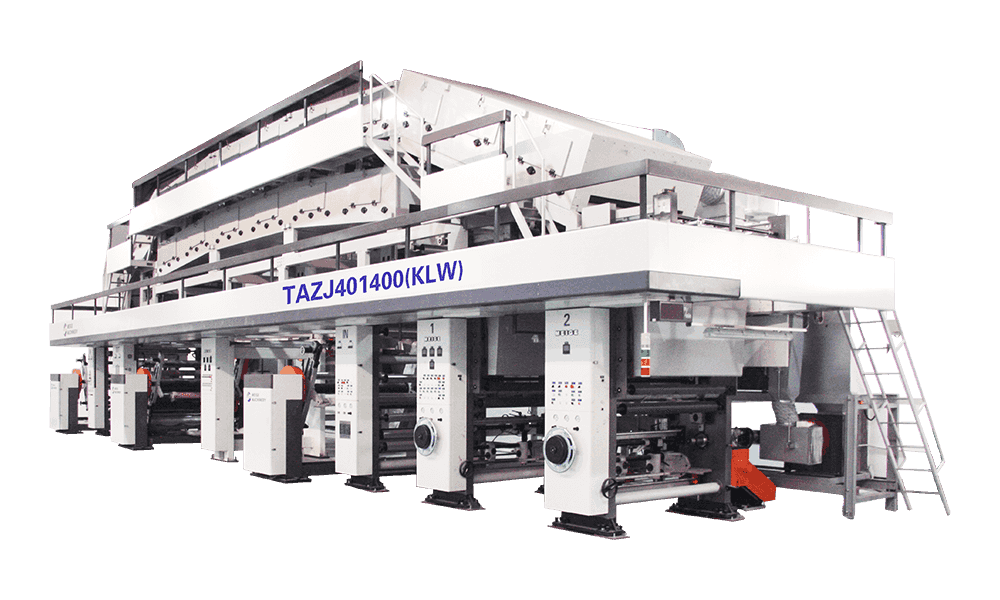
Specification
| Blade Angle Control | Electronic motorised adjustment ± 5° from nominal; ±0.5° accuracy; per-station independent |
| Blade Pressure Control | Pneumatic with pressure transducer feedback; 0.5–5 N/cm range; ±0.3 N/cm accuracy |
| Blade Holder Flatness | Precision-ground ±0.02 mm over full blade length |
| Blade Width | 1,100 – 2,600 mm (matched to press web width + 50 mm each side) |
| Blade Materials | Hardened steel (standard); ceramic-coated steel (long run); polymer composite (sensitive chrome) |
| Blade Thickness | 0.10 / 0.15 / 0.20 mm; selected per application |
| Anti-Vibration System | Tuned blade support bar with adjustable damper; reduces chatter frequency by 80% |
| Oscillation | Optional blade oscillation 3–15 mm stroke; prevents wear groove formation on cylinder chrome |
| Quick Change | Tool-free blade clamp; full blade change in under 5 minutes per station |
| Blade Life (approx.) | 300,000 – 600,000 linear metres per blade set (application dependent) |
| HMI Integration | Angle and pressure settings stored in job recipe; recalled automatically at job changeover |
| Certification | CE; components rated for water-based and solvent ink contact |
Application
- Fine wood grain detail printing — controlling shallow-cell highlight stations where blade precision determines whether fine vessel line detail is reproduced or lost in over-wiped cells.
- High-definition decorative paper gravure — 150–175 lpi screen rulings at which even minor blade angle deviations cause visible tonal density shifts in the print.
- Transparent ink layer management — controlling the delicate wipe of transparent glaze ink stations where blade over-pressure removes ink from the cells entirely, destroying the optical depth effect.
- Long production run consistency — maintaining consistent blade contact across multi-hour runs as the chrome cylinder surface is polished and the blade tip gradually wears.
- Wide-web presses — maintaining uniform blade pressure across 2,100–2,500 mm blade lengths where differential thermal expansion and mechanical deflection would cause pressure variation without active compensation.
- Stone and marble pattern printing — fine vein reproduction in stone patterns is equally sensitive to blade precision as wood grain fine detail.
Advantages
- Recipe-stored blade settings eliminate re-setup — angle and pressure for every job are stored in the press recipe; at job changeover, the blade system returns to the last approved settings automatically, eliminating the trial-and-error blade setup that wastes paper at the start of each job on manually adjusted systems.
- Anti-vibration damper system — doctor blade chatter is caused by resonant vibration between the blade and the cylinder surface; our tuned support bar damper system reduces the amplitude of chatter frequencies by 80%, essentially eliminating blade streaks on the finished print without requiring blade pressure adjustments.
- Blade oscillation for extended chrome life — optional blade oscillation moves the contact line laterally across the cylinder surface by 3–15 mm during production, distributing wear across the chrome surface and extending cylinder chrome life by 30–50% compared to a fixed blade position.
- Precision-ground blade holder — flatness of ±0.02 mm over the full blade length ensures uniform blade support across the entire web width; uneven blade support is the primary cause of cross-web ink density variation and print streaks on wide-web presses.
- Tool-free quick change — a production blade replacement takes under 5 minutes per station; on an 8-color press, a full set of blades can be changed during a planned maintenance window without significant production impact.