
 English
 中文简体
中文简体 русский
 فارسی
فارسی عربى
عربى Deutsch
A Beginner’s Guide to the Gravure Printing Machine: How It Works and Why It’s Great
Content
The Core Mechanics of a Gravure Printing Machine
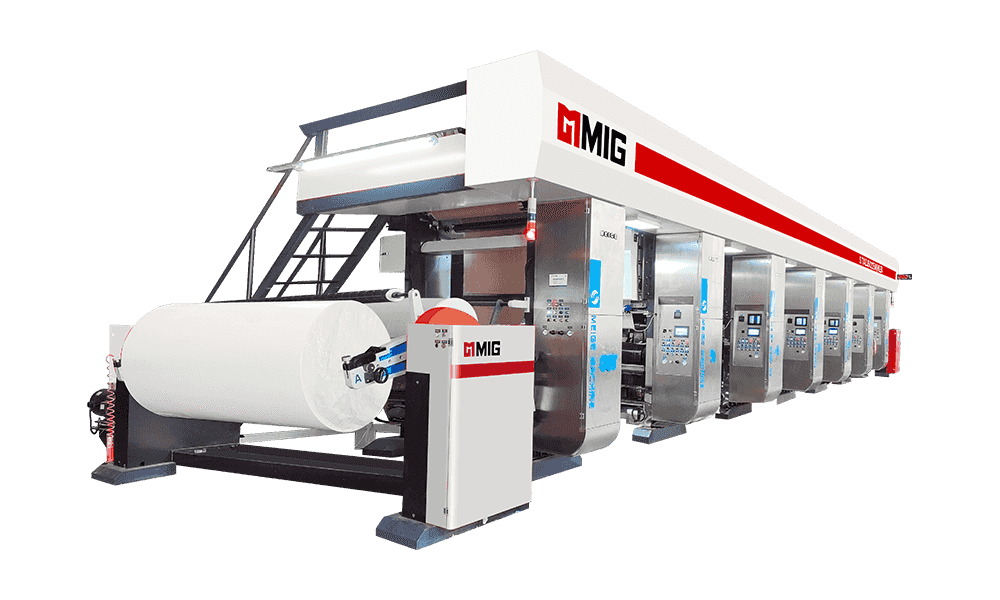
A Gravure Printing Machine, often referred to as a rotogravure press, operates on the principle of intaglio printing. Unlike flexography or offset printing which use raised or flat surfaces, the gravure process utilizes an engraved cylinder. The image to be printed is etched into the surface of this metal cylinder in the form of millions of tiny cells. During operation, the cylinder rotates through an ink fountain, filling these recessed cells. A "doctor blade" then scrapes the excess ink from the non-image surface, leaving ink only within the engravings. When the substrate—such as plastic film or paper—passes between the gravure cylinder and an impression roller, the ink is transferred directly onto the material under high pressure.
Key Components of the Printing Unit
Every unit within a multi-color Gravure Printing Machine consists of several critical parts that must work in perfect harmony. Precision is the name of the game here, as even a minor misalignment can ruin a high-speed run. The essential components include:
- The Engraved Cylinder: The heart of the machine, usually made of steel and plated with copper and chrome.
- The Doctor Blade: A flexible steel blade that ensures only the recessed cells carry ink to the substrate.
- The Impression Roller: A rubber-covered cylinder that applies the necessary pressure to pull ink out of the cells.
- The Drying System: High-velocity air dryers located after each color station to ensure the ink is set before the next layer is applied.
Why Industries Choose Rotogravure for High-Volume Work
The primary reason manufacturers invest in a Gravure Printing Machine is its unmatched consistency over long production runs. Because the printing plates are made of hard-chromed metal cylinders, they do not wear down as quickly as the polymer plates used in other methods. This means the first meter of a million-meter print run will look exactly like the last. For global brands in the snack food, tobacco, and wallpaper industries, this level of brand consistency is non-negotiable. Furthermore, gravure allows for a heavier ink laydown, resulting in richer colors and superior shadow detail that other printing methods struggle to replicate.
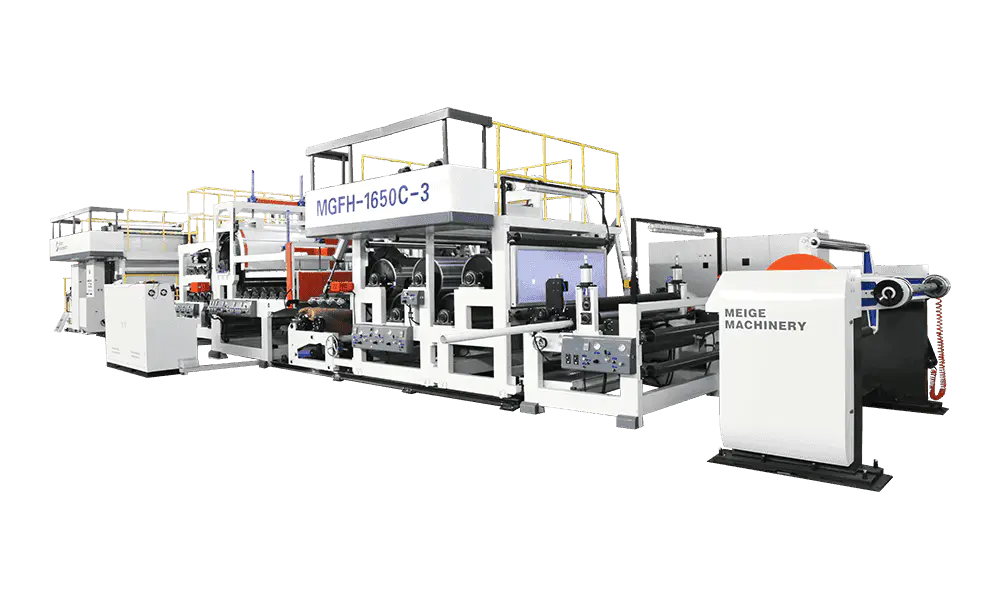
Performance Comparison with Flexography
Choosing between a Gravure Printing Machine and a Flexo press often depends on the length of the job and the required quality. While gravure has higher upfront costs due to cylinder engraving, it becomes much more economical as the volume increases. The following table highlights the practical differences between these two dominant industrial methods.
| Criteria | Gravure Printing Machine | Flexographic Machine |
| Best Run Length | Long (High Volume) | Short to Medium |
| Image Resolution | Excellent / Photo-realistic | Good to High |
| Initial Tooling Cost | High (Cylinder Engraving) | Lower (Polymer Plates) |
| Ink Laydown | Thick and Vibrant | Thin to Moderate |
Common Applications for Gravure Technology
You likely interact with products made by a Gravure Printing Machine every single day without realizing it. In the flexible packaging sector, it is the gold standard for candy bar wrappers, stand-up pouches, and frozen food bags. Because the machine can handle very thin films with high tension control, it is perfect for the laminated materials used in the food industry to provide moisture and oxygen barriers. Beyond packaging, the gravure process is used for decorative printing, such as wood-grain laminates for flooring and furniture, as well as high-circulation magazines and catalogs where image quality is paramount.
Maintenance for Longevity
To maintain the precision of a Gravure Printing Machine, regular maintenance of the mechanical components is vital. The doctor blade must be checked for nicks or uneven wear, as any imperfection will lead to "streaking" on the printed substrate. Additionally, the cylinders must be cleaned thoroughly after every run to prevent ink from drying and hardening inside the microscopic cells, which would reduce the print density in future runs. Modern machines now often feature automated wash-up systems and sleeve-type cylinders to reduce downtime and improve efficiency between different job setups.
While the initial investment in a Gravure Printing Machine is significant, its ability to produce billions of high-quality impressions makes it the backbone of the global packaging industry. Its reliability and speed remain unmatched for large-scale production needs.
Recommended Products
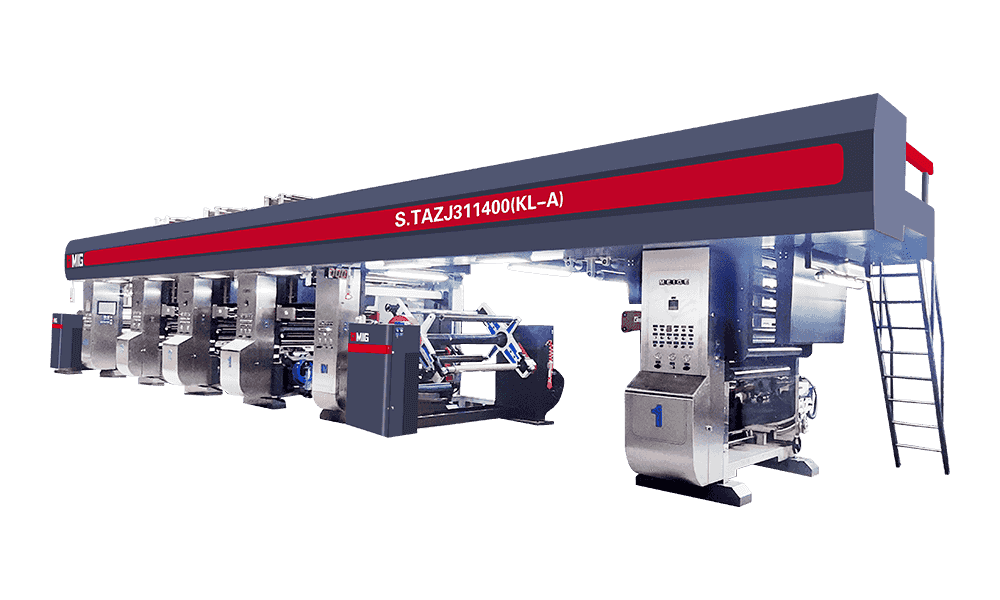
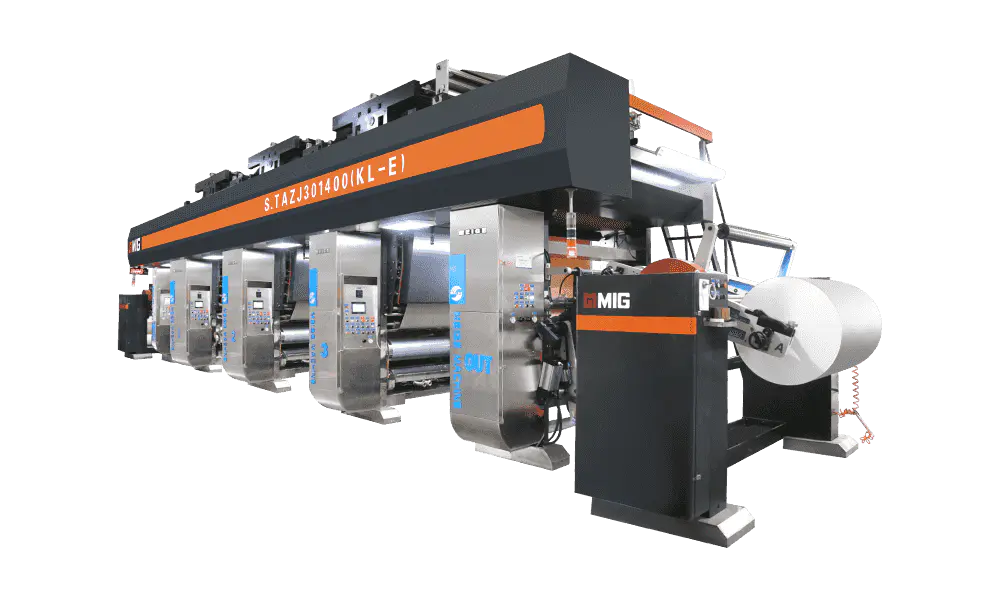
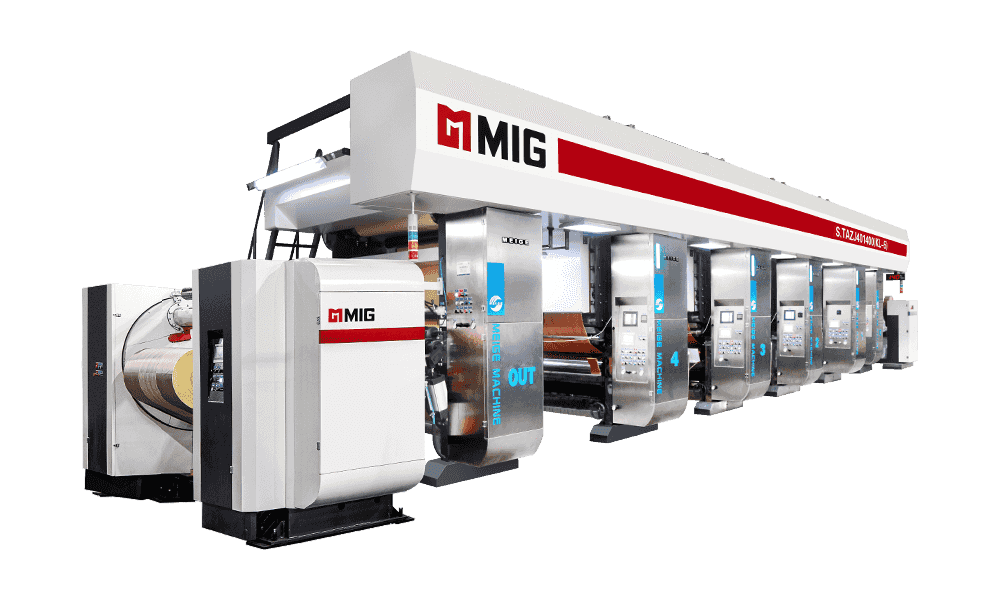
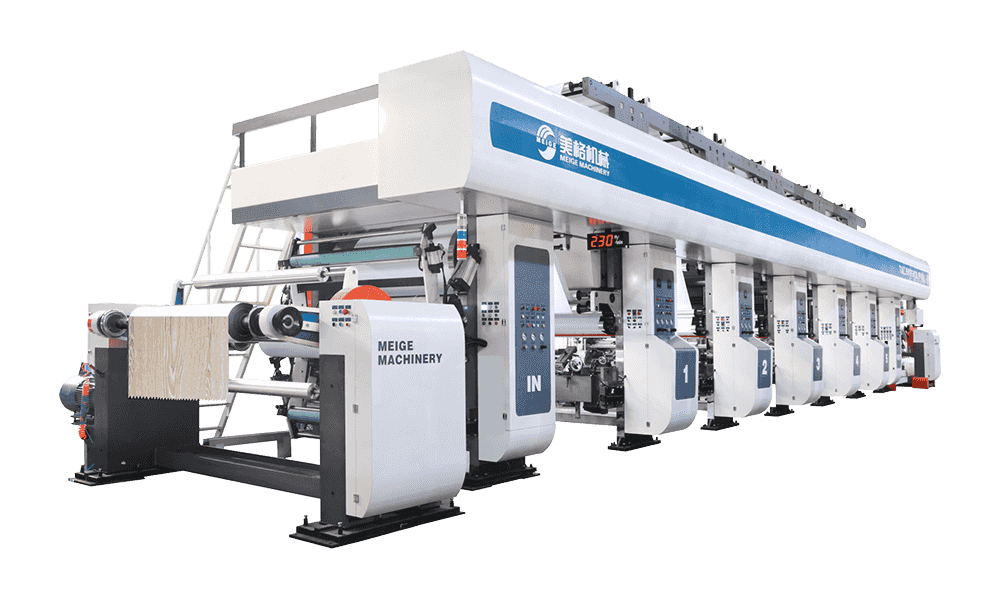
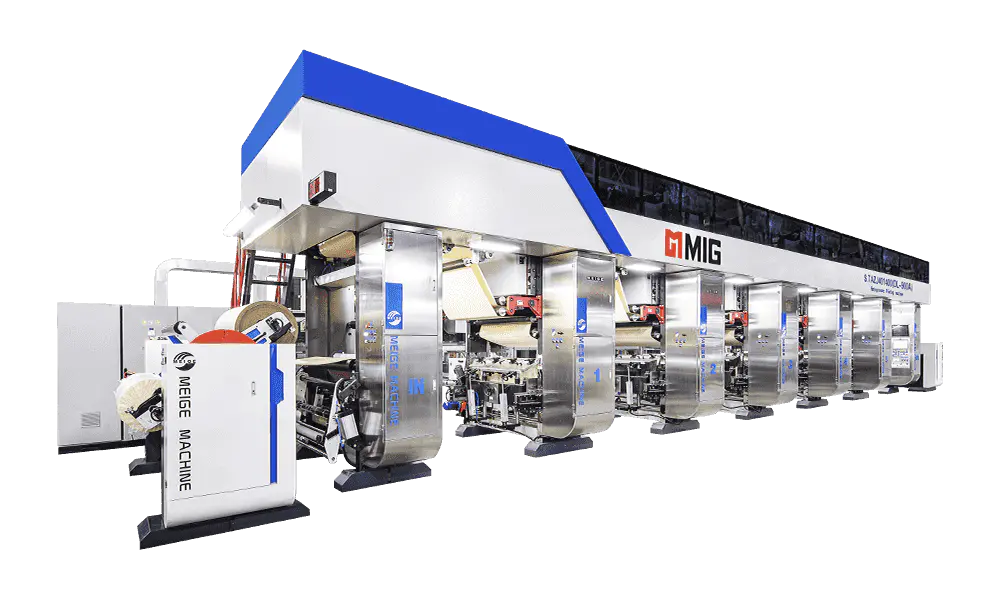
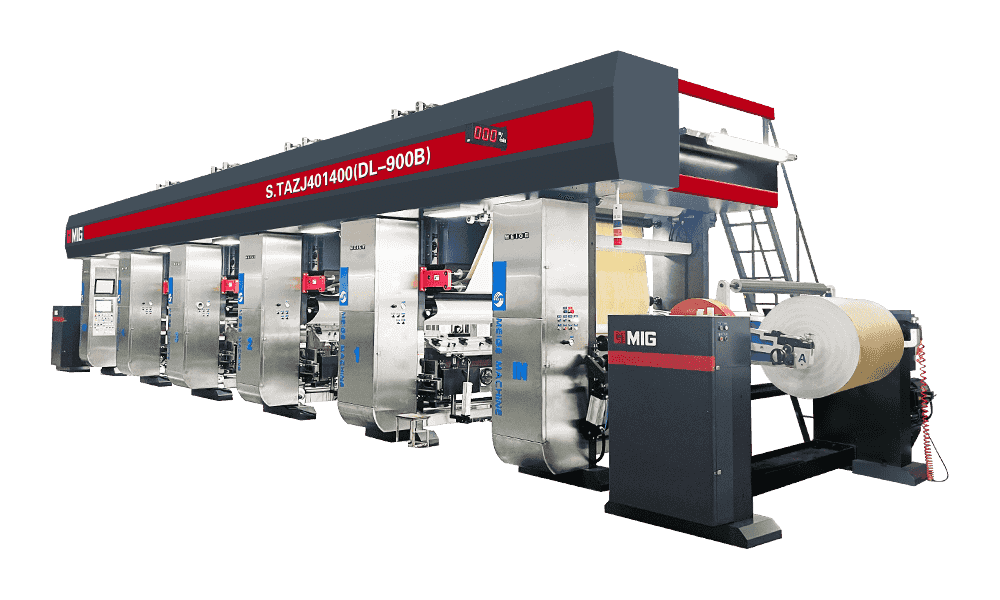
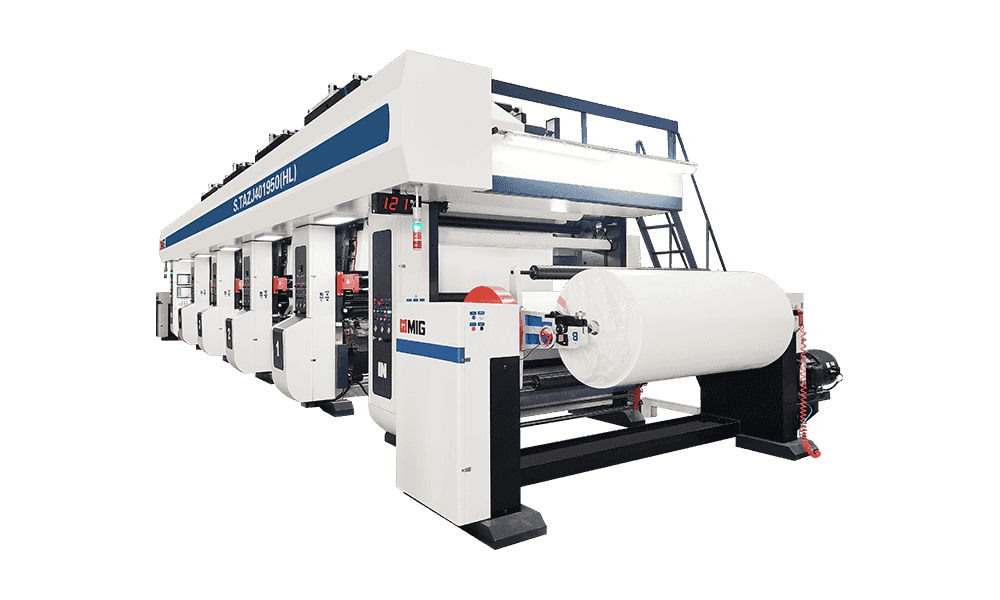
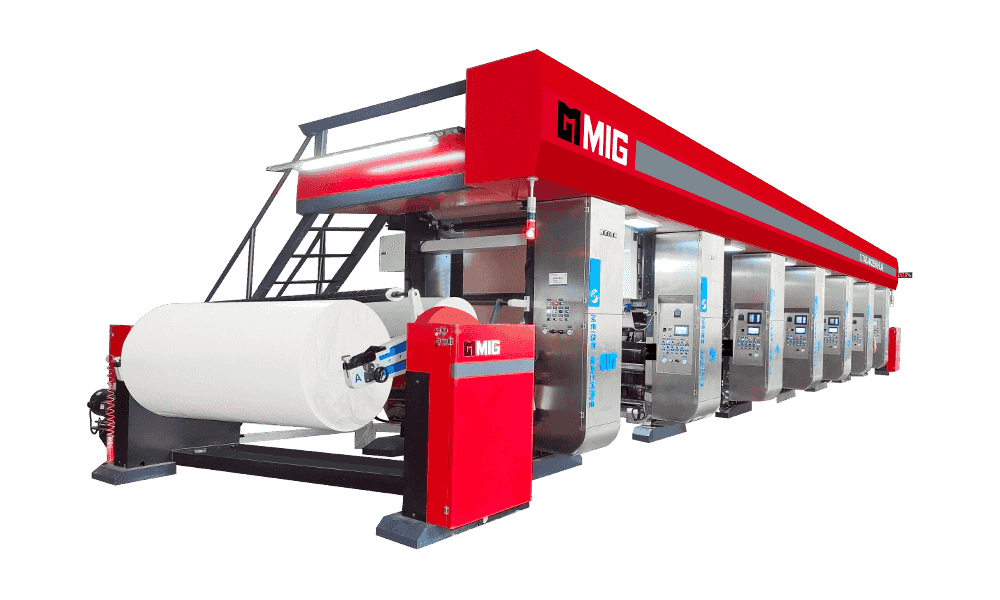
The variety of models, to meet the development needs of various regions in the world.
Message Us Right Now!
Quick Links
Products
Contact Us
- Phone: +86-13067738802 (Manager Hua)
- Tel: +86-0571-61071715
- Fax: +86-0571-61071706
- Mail: [email protected]
- Add: No.32 Wujiatou, Qingke Village, Jincheng Street, Lin'an District, Hangzhou City, Zhejiang Province

Copyright © Zhejiang Meige Machinery Technology Co., Ltd. All rights reserved.
 Privacy Rotogravure Printing Machine Manufacturers