
 English
 中文简体
中文简体 русский
 فارسی
فارسی عربى
عربى Deutsch
PVC Multi-Layer Laminating Machine: How It Works and What Really Matters When Choosing One
Content
- 1 What a PVC Multi-Layer Laminating Machine Is Designed to Do
- 2 Industries That Depend on PVC Multi-Layer Lamination
- 3 The Core Components of a PVC Multi-Layer Laminating Line
- 4 Lamination Methods Used in PVC Multi-Layer Processing
- 5 Critical Specifications to Evaluate When Comparing PVC Multi-Layer Laminating Machines
- 6 Process Variables That Most Affect Laminate Quality
- 7 Common Quality Problems in PVC Multi-Layer Lamination and Their Root Causes
- 8 Key Questions to Resolve Before Purchasing a PVC Multi-Layer Laminating Machine
What a PVC Multi-Layer Laminating Machine Is Designed to Do
A PVC multi-layer laminating machine is industrial equipment built to bond multiple layers of polyvinyl chloride film, foam, fabric, or other flexible materials into a single unified composite structure. Unlike simple single-layer laminating equipment, a multi-layer system handles the simultaneous or sequential bonding of three, four, five, or more distinct material layers — each contributing a specific functional or aesthetic property to the final product. The machine coordinates unwinding, tension control, adhesive application, bonding, heating or cooling, and rewinding across all of these layers in a continuous, high-speed production process.
The reason PVC is so commonly laminated in multiple layers comes down to the material's natural limitations and the demands of end-use applications. A single layer of PVC film may lack sufficient rigidity, wear resistance, dimensional stability, or surface quality for demanding applications like luxury vinyl flooring, synthetic leather, or inflatable structures. By laminating multiple layers — for example, a printed decorative film bonded to a foam core with a clear wear layer on top — manufacturers engineer composite PVC products that far outperform what any single layer could achieve alone. The multi-layer laminating machine is the piece of equipment that makes this engineering possible at production scale.
Industries That Depend on PVC Multi-Layer Lamination
The range of industries using PVC multi-layer laminating machines is broad, and each sector places its own specific demands on the machine's configuration, materials handling capability, and lamination method. Understanding these applications clarifies why multi-layer laminating equipment is built in so many different configurations.
- Luxury vinyl flooring (LVF/LVT): Multi-layer PVC flooring products are built from a rigid or semi-rigid core layer, a printed decorative film, and a transparent wear layer — all bonded under heat and pressure. The laminating machine must handle wide web widths, maintain precise thickness uniformity across the full panel width, and bond dissimilar materials without delamination or air entrapment.
- Synthetic leather and artificial leather: PVC artificial leather consists of a fabric or non-woven base layer coated and laminated with one or more PVC compound layers, often followed by a surface treatment film. The multi-layer laminating machine must handle tension-sensitive textile substrates while applying PVC layers uniformly and bonding them permanently without distorting the base fabric.
- Inflatable products and tarpaulins: Heavy-duty PVC tarpaulins, truck covers, and inflatable structures are built by laminating PVC compound to both sides of a high-tenacity polyester mesh fabric. These products require extremely strong interlayer adhesion capable of withstanding mechanical stress, outdoor weathering, and pressure loads.
- Flexible packaging and barrier films: Multi-layer PVC laminates used in packaging combine clear PVC with foil, paper, or other films to build barrier properties against moisture, oxygen, or light. Precision adhesive coating and layer-to-layer registration are essential in these applications.
- Wall coverings and decorative panels: Interior wall coverings laminate printed PVC surface films to foam, nonwoven, or fabric backing layers to create products with both visual appeal and dimensional stability. The laminating machine must preserve the surface quality and print clarity of the decorative layer during the bonding process.
- Medical and protective materials: Multi-layer PVC laminates are used in hospital curtains, protective clothing, and medical device packaging, where the laminate construction must meet specific requirements for chemical resistance, cleanliness, and mechanical durability.
The Core Components of a PVC Multi-Layer Laminating Line
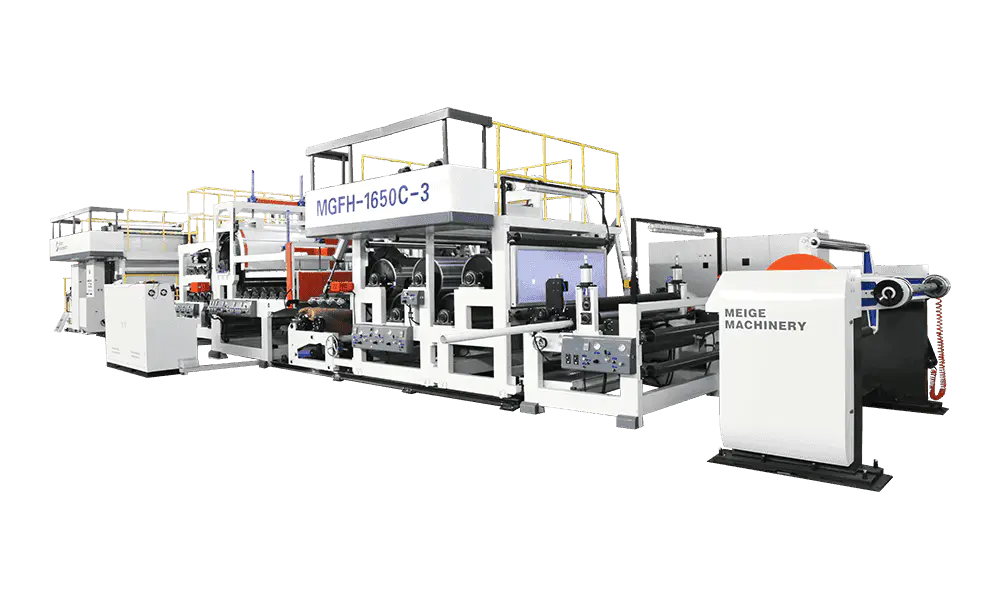
A complete PVC multi-layer laminating machine is more accurately described as a production line — a series of integrated stations, each performing a specific function in transforming individual material rolls into a finished laminated composite. The number and configuration of these stations varies depending on the number of layers, the bonding method, and the materials involved, but the fundamental building blocks are consistent across most industrial systems.
Unwind Stations
Each material layer fed into the laminating line has its own dedicated unwind station, which holds the roll and feeds the web into the machine at a controlled tension. A multi-layer machine may have anywhere from three to eight or more unwind stations depending on the number of layers being laminated. Each unwind must independently control tension to prevent the web from stretching, wrinkling, or misaligning as it enters the laminating nip. Modern systems use servo-driven unwinds with load cell feedback and automatic splice tables that allow roll changes without stopping the production line, which is critical for maintaining throughput on long runs.
Adhesive Coating or Calendering Units
Before layers are bonded, adhesive must be applied to one or more of the substrate surfaces. Depending on the lamination method, this may be a solvent-based adhesive applied by a gravure coating roller, a hot-melt adhesive system using slot-die or roll coating, a water-based dispersion adhesive, or in the case of thermal lamination, no separate adhesive at all — heat-activated adhesive is already incorporated into one of the layer materials. Calendering units that apply PVC compound directly to a substrate in a molten state are also integrated into some lines, particularly for artificial leather production, replacing a separate adhesive layer with a direct fusion bond between the PVC compound and the textile substrate.
Laminating Nip Rollers
The laminating nip is where the individual layers are physically pressed together to form the composite structure. The nip consists of two or more rollers — typically one heated steel roller and one rubber-covered pressure roller — that apply controlled heat and pressure to the assembled layers as they pass through. The temperature, nip pressure, and dwell time in the nip are the three critical process variables that determine bond strength and laminate quality. On multi-layer machines, there may be multiple laminating nips in sequence, with each nip adding one or more additional layers to the building composite structure. The roller surfaces must be precisely ground and balanced to ensure uniform pressure across the full web width, preventing thin spots or unbonded areas in the finished laminate.
Heating and Cooling Systems
Heat is essential for activating adhesives, softening PVC compound for fusion bonding, and enabling the layers to conform to each other under pressure. Heating is applied through the laminating rollers themselves — which are internally heated by oil circulation or electric elements — or through infrared or hot-air pre-heating zones upstream of the nip. After lamination, the composite must be rapidly cooled to set the bond and stabilize the laminate dimensions before rewinding. Cooling sections use chilled water-circulated rollers or cooling drums to bring the laminate temperature down quickly without inducing warp or residual stress, which is particularly important for rigid or semi-rigid PVC laminates used in flooring or panel applications.
Web Guiding and Registration Systems
When laminating materials with printed patterns or precise structural requirements, layer-to-layer alignment is critical. Web guiding systems use edge sensors or line sensors to continuously monitor the lateral position of each web and automatically steer the material to maintain alignment. On lines producing decorative laminates where a printed film must align with a structured core layer, active registration control systems compare the positions of reference marks on different layers and make real-time corrections to keep the layers in register. Misalignment that develops during a long production run produces scrap and increases setup waste, so the sophistication of the web guiding system has a direct impact on material yield.
Rewind Station and Slitting
At the exit of the laminating line, the finished composite is rewound into rolls for further processing or shipment. The rewind station must maintain consistent tension to produce a tightly wound, well-formed roll without telescoping or edge damage. Many multi-layer laminating lines for PVC also incorporate inline slitting stations immediately before the rewind, which cut the full-width laminate into narrower rolls of specific finished widths in a single pass. This eliminates a separate slitting operation and reduces handling, which is particularly valuable for wide-format laminates like flooring underlayers or tarpaulin materials.
Lamination Methods Used in PVC Multi-Layer Processing
The bonding method used in a PVC multi-layer laminating machine is not a secondary detail — it fundamentally determines the machine's mechanical design, the materials it can process, the bond strength and durability of the final product, and the operating cost of the production line. Different applications call for different lamination approaches, and some advanced machines are designed to switch between methods depending on the job.
Thermal Fusion Lamination
In thermal fusion lamination, heat softens the PVC layer sufficiently that it bonds to the adjacent layer through molecular diffusion at the interface, without any separate adhesive. This method produces the strongest possible interlayer bond because the layers are essentially merged rather than glued. It is widely used in PVC flooring production where the wear layer is thermally bonded directly to the printed film and core layers. The limitation is that all layers must be thermally compatible — materials with very different melting points or thermal sensitivities cannot be reliably joined this way.
Hot-Melt Adhesive Lamination
Hot-melt adhesive systems apply a thermoplastic adhesive in a molten state between layers, which then solidifies on cooling to form a strong, flexible bond. Hot-melt lamination is fast, requires no solvent drying time, and produces consistent bond strength. It is commonly used for laminating PVC film to foam, fabric, or nonwoven backing materials. The adhesive is typically applied via slot-die coater or roll coater at temperatures between 130°C and 200°C depending on the adhesive chemistry. The bond strength of hot-melt laminates is generally somewhat lower than thermal fusion bonds and can be affected by elevated temperatures in service, which must be considered for applications like automotive interiors where heat resistance is required.
Solvent-Based Adhesive Lamination
Solvent-based adhesive systems offer excellent adhesion to a wide range of substrates, including low-surface-energy PVC grades that are difficult to bond with other methods. The adhesive is dissolved in solvent and applied as a liquid coat, then dried in a heated tunnel before the layers are brought together in the laminating nip. The evaporated solvent must be captured and managed through a solvent recovery system, adding both capital cost and operational complexity. Despite this, solvent-based lamination remains prevalent in applications requiring very high bond strength, chemical resistance, or compatibility with specific substrate combinations that do not respond well to thermal or hot-melt methods.
Water-Based Adhesive Lamination
Water-based adhesive systems are growing in adoption as manufacturers seek to reduce VOC emissions and comply with increasingly strict environmental regulations. Modern water-based PVA, polyurethane dispersion, and acrylic adhesive systems can achieve bond performance suitable for many PVC laminate applications, though drying energy requirements are higher than for solvent-based systems and machine speeds may need to be reduced to allow adequate drying time. For producers serving markets with stringent chemical safety regulations — particularly in Europe — transitioning to water-based adhesive lamination on PVC multi-layer lines is becoming a practical priority rather than an optional upgrade.
Critical Specifications to Evaluate When Comparing PVC Multi-Layer Laminating Machines
Selecting the right multi-layer PVC laminating machine requires a systematic evaluation of technical specifications against your specific production requirements. The following table summarizes the most important parameters and what they mean in practice.
| Specification | Typical Range | Practical Significance |
| Maximum Working Width | 600mm – 3000mm | Must accommodate the widest substrate roll in your product range; flooring lines typically need 1800mm or wider |
| Number of Unwind Stations | 3 – 8 stations | Determines the maximum number of layers that can be laminated in a single pass |
| Maximum Line Speed | 10 – 80 m/min | Higher speeds increase throughput but require more powerful heating and cooling systems to maintain bond quality |
| Nip Roller Temperature Range | ambient – 220°C | Upper temperature limit must be sufficient for thermal fusion of PVC layers; control precision affects bond consistency |
| Nip Pressure Range | 0.1 – 6 MPa | Higher pressure capability enables better interlayer bonding for thick or rigid PVC composite structures |
| Laminate Thickness Range | 0.1mm – 8mm total | The machine must handle both the thinnest individual layer and the total finished laminate thickness without distortion |
| Tension Control Accuracy | ±1% – ±3% of set point | Tighter tension control reduces registration errors and prevents wrinkling or stretching of sensitive PVC films |
| Cooling Section Length | 2m – 15m | Longer cooling sections allow higher line speeds while still achieving complete bond set before rewinding |
Process Variables That Most Affect Laminate Quality
Understanding which process variables have the greatest influence on the quality of the finished PVC multi-layer laminate helps operators set up the machine correctly and troubleshoot problems systematically when quality issues arise. There are three variables that consistently matter more than any others in PVC lamination.
Temperature Uniformity Across the Web Width
If the laminating nip roller temperature varies across its width — even by just a few degrees — the bond strength and laminate thickness will be inconsistent from edge to center. On wide-format machines, maintaining temperature uniformity across 2 meters or more of roller width requires precision internal heating circuits, high-quality thermal oil systems, and regular calibration of the temperature measurement system. Temperature non-uniformity shows up as edge delamination, thickness variation across the web width, or visible bond lines in translucent laminates. Infrared thermal imaging of the roller surface during production is the most reliable way to identify and correct temperature uniformity problems.
Web Tension Balance Between Layers
When multiple layers with different elastic moduli and thermal expansion coefficients are bonded together under tension, the tension balance between them at the moment of bonding determines whether the finished laminate will lie flat or curl after leaving the nip. A PVC film tensioned more tightly than its foam backing at the laminating nip will try to contract after bonding, causing the laminate to curl toward the PVC side. Getting the tension balance right requires understanding the mechanical properties of each layer and systematically adjusting unwind tensions until the finished laminate exits the machine flat and stable. This is one of the most nuanced aspects of multi-layer laminating process setup and often requires methodical trial-and-error adjustment when introducing new material combinations.
Adhesive Coat Weight Consistency
For laminating lines using wet adhesive systems, the amount of adhesive applied per unit area — the coat weight — must be consistent both along the machine direction and across the web width. Too little adhesive produces weak bonds and delamination under stress. Too much adhesive increases cost, extends drying time, and can cause adhesive squeeze-out at the nip that contaminates rollers and the laminate surface. Coat weight consistency is determined by the precision of the coating roller or slot-die system, the viscosity stability of the adhesive supply, and the uniformity of the nip gap across the roller width. Regular gravimetric coat weight measurement — weighing a cut sample before and after washing off the adhesive — should be part of the standard quality monitoring routine on any adhesive laminating line.
Common Quality Problems in PVC Multi-Layer Lamination and Their Root Causes
Even experienced operators encounter recurring quality problems in PVC multi-layer lamination. Knowing the most frequent defects and their underlying causes significantly reduces troubleshooting time and material waste.
- Delamination or peeling between layers: The most serious laminate defect, caused by insufficient adhesive, incorrect laminating temperature, contaminated substrate surfaces, or incompatible material combinations. Always verify substrate surface energy before lamination — PVC films treated with release agents or antiblock additives will resist bonding and must be corona-treated or flame-treated to restore surface receptivity before lamination.
- Air bubbles or blistering: Entrapped air between layers causes visible bubbles or blisters in the finished laminate. This typically results from insufficient nip pressure, excessive line speed relative to the heating capacity, or moisture in one of the substrate materials. Drying substrate rolls before lamination and increasing nip pressure incrementally usually resolves this issue.
- Laminate curl or warp: The finished composite curls toward one face rather than lying flat. This is caused by tension imbalance between layers at the bonding nip, asymmetric heating, or differential thermal shrinkage during cooling. Systematically adjust unwind tensions and cooling rates for each layer until the laminate exits the machine flat.
- Wrinkling of thin PVC films: Thin decorative or surface films wrinkle as they enter the nip if web tension is too low, web guiding is misaligned, or there is a speed mismatch between the film unwind and the main line speed. Check and recalibrate tension settings and verify that all guide rollers are parallel and correctly positioned.
- Thickness variation across the web width: The finished laminate is thicker at one edge than the other or thicker in the center than at the edges. This indicates uneven nip pressure caused by roller deflection, worn roller bearings, or a roller that is not correctly crowned. Have the roller geometry checked and corrected by the machine manufacturer.
- Layer misregistration in decorative laminates: The printed surface film is not correctly aligned with the structural core layer, producing a visible offset in the finished product. Recalibrate the web guiding sensors, check for slippage at the unwind stations, and verify that the registration control system reference marks are being read correctly by the sensor cameras.
Key Questions to Resolve Before Purchasing a PVC Multi-Layer Laminating Machine
A PVC multi-layer laminating machine is a long-term capital asset, and defining your requirements precisely before approaching suppliers will save significant time, reduce the risk of buying a machine that cannot meet your production needs, and give you a stronger basis for negotiating specifications and price.
- How many layers does your product require, and will this change in the future? Specify the maximum number of layers you currently need and any planned product development that might require additional layers, then size the machine with sufficient unwind stations to accommodate future growth without a complete line rebuild.
- What is the widest substrate you will ever run? Machine width is fixed at the point of manufacture. Buy to your maximum foreseeable width requirement, not just your current average, since upgrading working width later is prohibitively expensive.
- Which lamination method best suits your material combinations? Work with potential suppliers to verify that the proposed bonding method — thermal, hot-melt, solvent, or water-based — is validated for your specific substrate combinations. Request laminate samples produced on the supplier's test equipment using your actual materials before committing to a purchase.
- What throughput speed do you need to meet your production targets? Calculate your required annual output, account for realistic uptime and setup time, and work backward to determine the minimum line speed needed. Then specify a machine with sufficient heating and cooling capacity to achieve that speed at your target quality level.
- What level of automation and process control does your operation require? Highly automated systems with inline quality monitoring, automatic tension adjustment, and recipe-based setup are essential for high-speed, high-volume lines but may be unnecessary overhead for shorter-run specialty applications. Match the automation level to your actual operational needs and your team's technical capability.
- What are the supplier's local service and spare parts capabilities? A laminating line that goes down for a week waiting for an overseas spare part is a costly failure. Verify the supplier's regional service network, stocking of critical spare parts, and their response time commitment for emergency breakdowns before signing a purchase agreement.

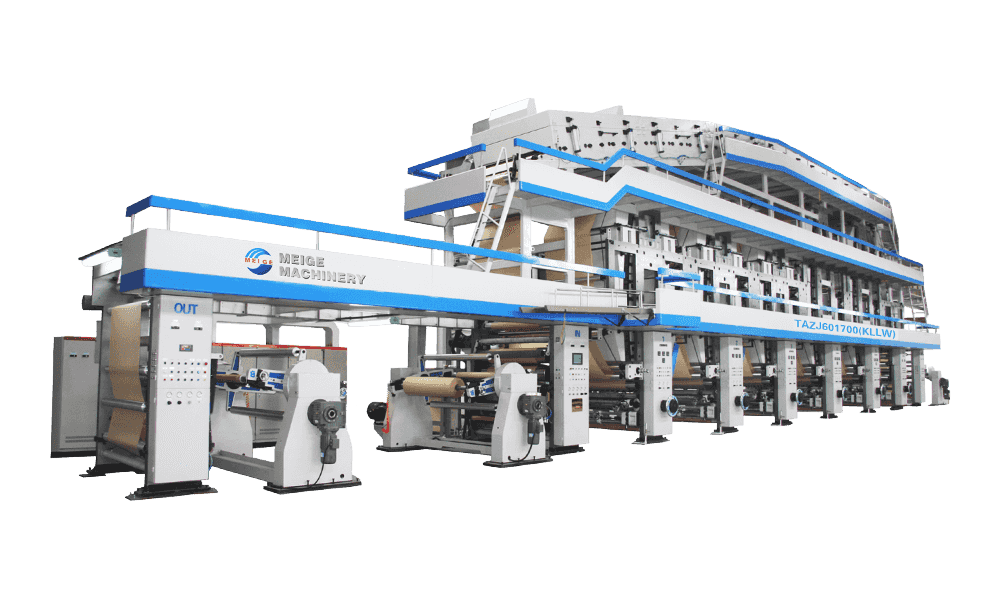
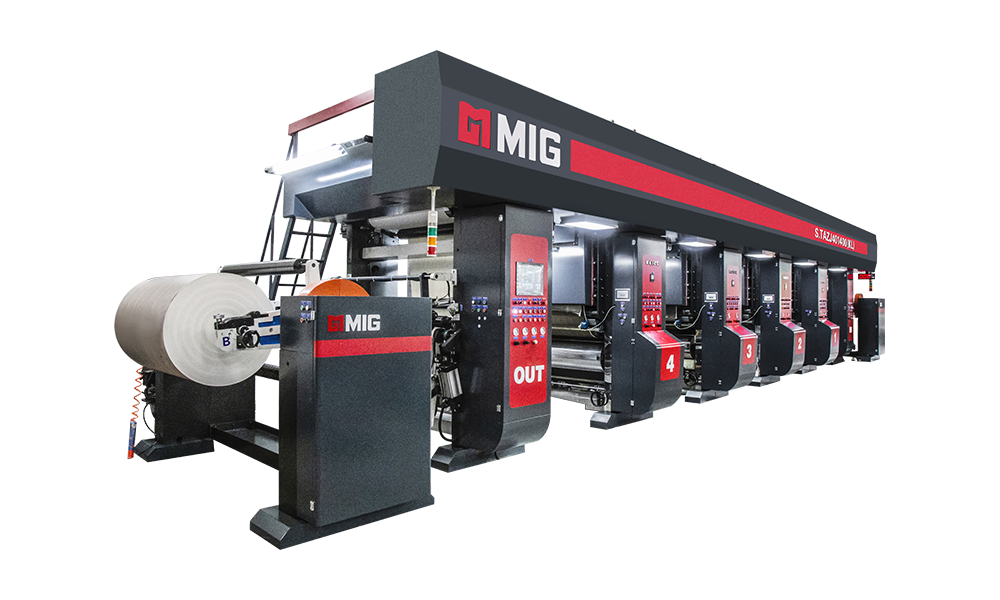
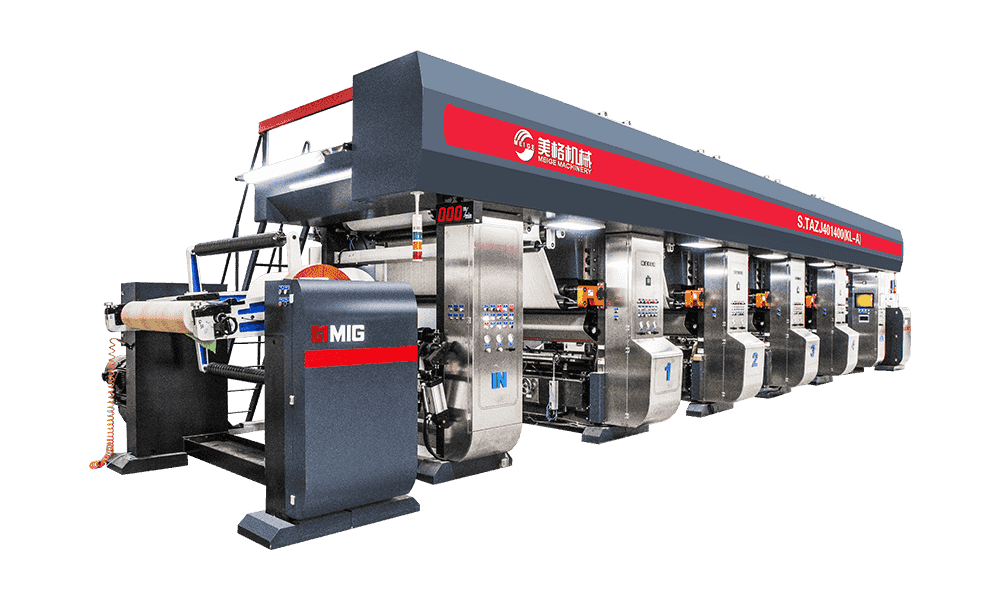
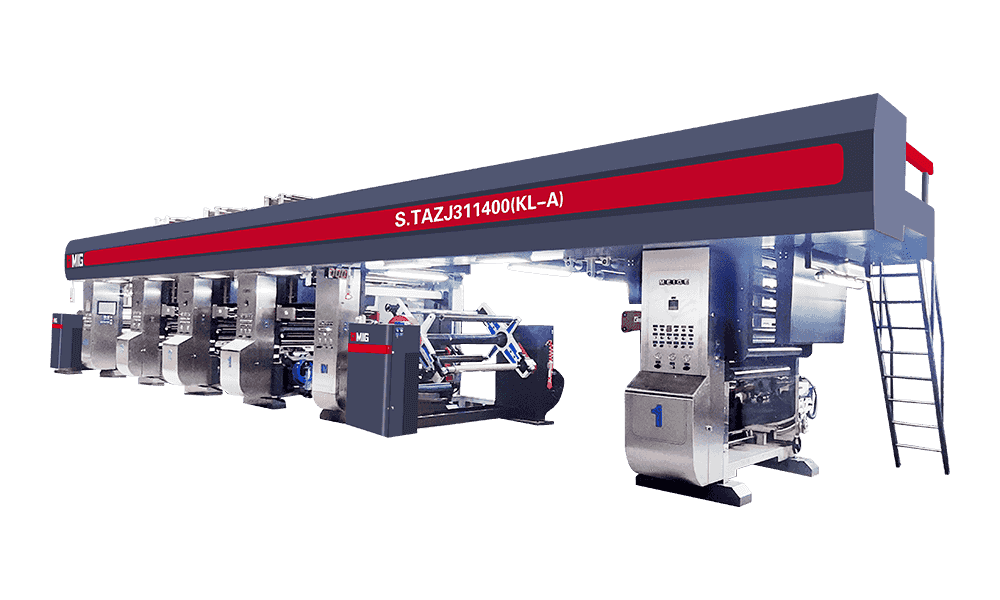
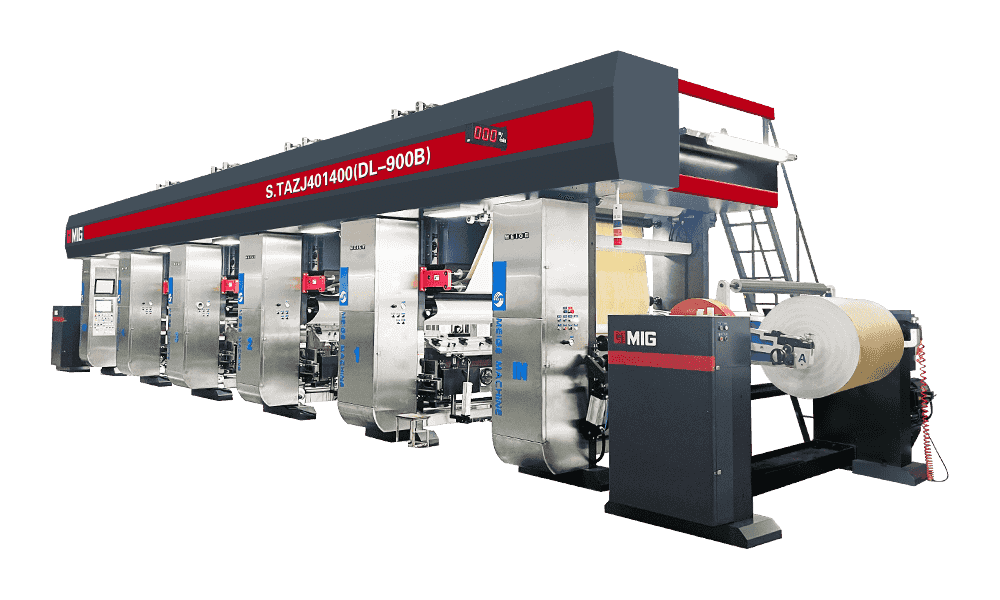
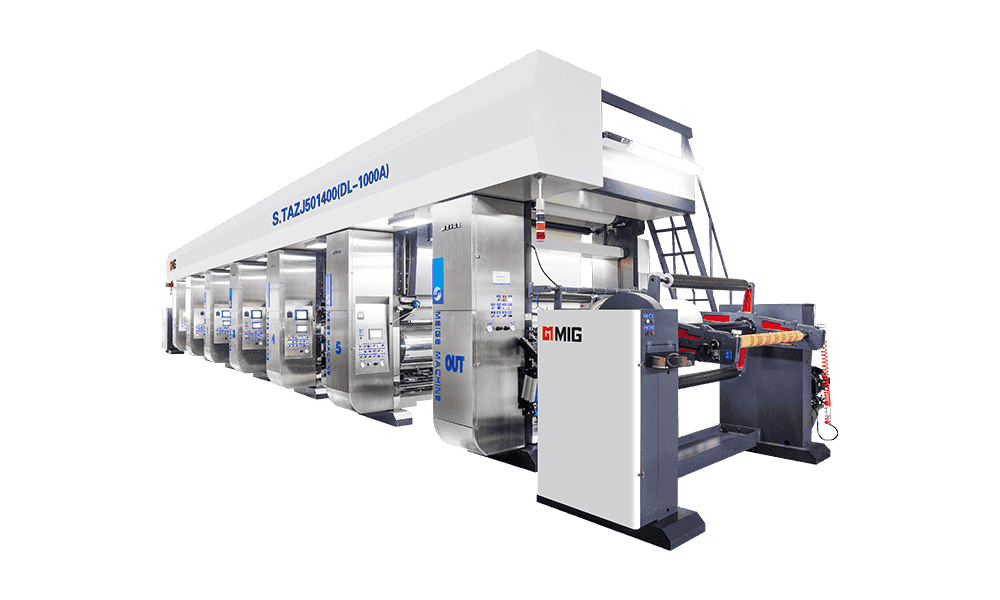
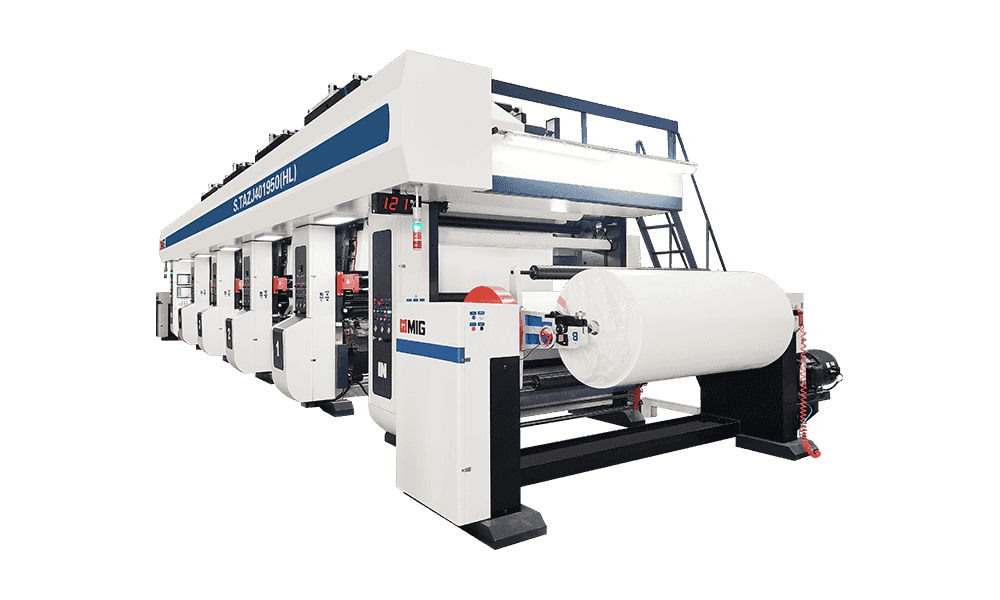
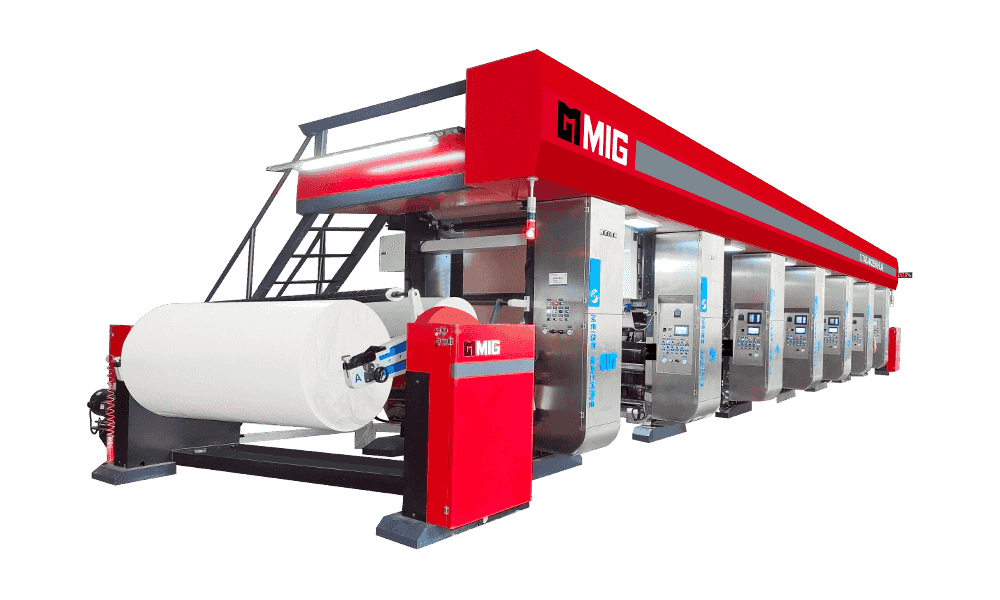
Recommended Products
The variety of models, to meet the development needs of various regions in the world.
Message Us Right Now!
Quick Links
Products
Contact Us
- Phone: +86-13067738802 (Manager Hua)
- Tel: +86-0571-61071715
- Fax: +86-0571-61071706
- Mail: [email protected]
- Add: No.32 Wujiatou, Qingke Village, Jincheng Street, Lin'an District, Hangzhou City, Zhejiang Province

Copyright © Zhejiang Meige Machinery Technology Co., Ltd. All rights reserved.
 Privacy Rotogravure Printing Machine Manufacturers