
 English
 中文简体
中文简体 русский
 فارسی
فارسی عربى
عربى Deutsch
PVC Gravure Printing Machine: How It Works and What to Look for When Buying One
Content
- 1 What a PVC Gravure Printing Machine Actually Does
- 2 Industries and Products That Rely on PVC Gravure Printing
- 3 Core Components of a PVC Gravure Printing Machine
- 4 Key Specifications to Compare When Evaluating PVC Gravure Printers
- 5 Solvent-Based vs. Water-Based Ink Systems on PVC Gravure Machines
- 6 Registration and Color Control Features Worth Paying For
- 7 Common Problems in PVC Gravure Printing and How to Troubleshoot Them
- 8 What to Ask a Supplier Before Buying a PVC Gravure Printing Machine
What a PVC Gravure Printing Machine Actually Does
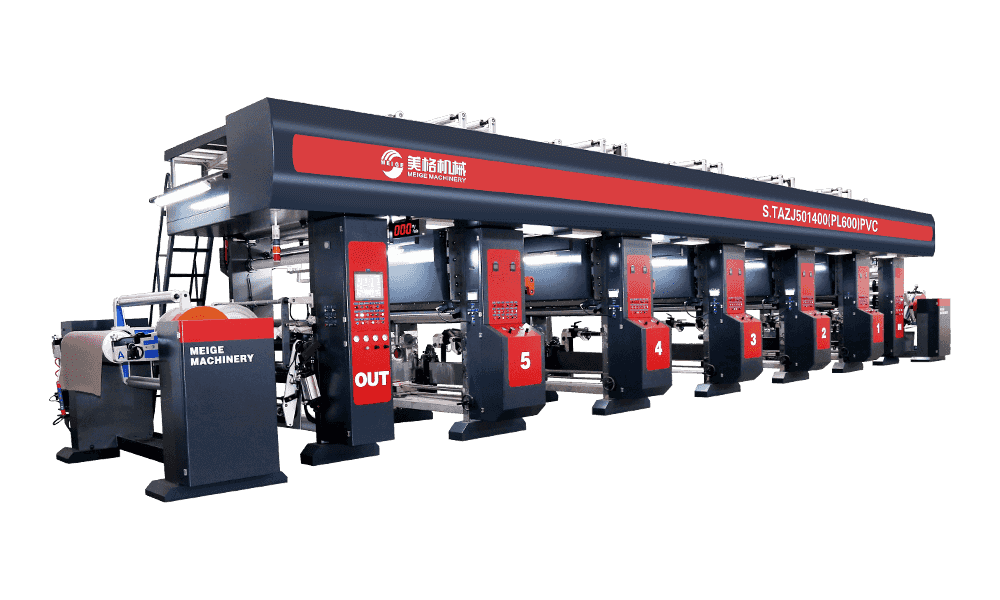
A PVC gravure printing machine is a specialized piece of industrial printing equipment designed to print high-quality images, patterns, and text directly onto polyvinyl chloride (PVC) film, sheet, or flexible substrate. The gravure process works by engraving the desired image into a cylindrical roller — called a gravure cylinder or impression cylinder — which is then inked and pressed against the moving PVC web to transfer the image. Because the image is physically engraved into the cylinder surface rather than printed from a raised plate or flat screen, gravure printing delivers exceptionally consistent ink transfer, razor-sharp detail, and rich color density across extremely long production runs.
PVC is a particularly demanding substrate to print on because of its non-porous, chemically inert surface. Standard printing processes struggle with adhesion, color uniformity, and drying on PVC film. Gravure printing machines designed specifically for PVC incorporate specially formulated solvent-based or water-based inks, precision tension control systems, and heated drying units that work together to overcome these challenges. The end result is a printed PVC product with vibrant, durable decoration that resists scratching, moisture, and light degradation — qualities that are essential across the many industries that rely on printed PVC.
Industries and Products That Rely on PVC Gravure Printing
Understanding where PVC gravure printing machines are used gives important context for evaluating what performance specifications actually matter in practice. The applications are diverse, and each one places different demands on the machine.
- Flooring and wall covering: Decorative PVC flooring, vinyl tiles, and wall panels rely on gravure printing to apply wood grain, stone, textile, and geometric patterns onto the PVC wear layer or surface film. These applications require extremely consistent repeat registration and color matching across very wide web widths, often exceeding 2 meters.
- Flexible packaging: PVC film is widely used in shrink sleeves, blister packaging, and cling film, all of which require printed branding, product information, and barcodes. Gravure printing on these materials must achieve precise registration across multiple colors while maintaining the film's flexibility and optical clarity.
- Stationery and office products: PVC covers for notebooks, folders, binders, and document wallets are commonly printed using gravure machines to produce sharp, durable surface decoration that withstands repeated handling.
- Synthetic leather and upholstery: PVC artificial leather used in furniture, automotive interiors, and fashion goods receives its surface texture and color patterns through gravure printing, often followed by embossing to create a three-dimensional effect.
- Electrical cable and wire insulation: PVC insulation materials used in wiring often carry printed markings — manufacturer codes, voltage ratings, and safety certifications — applied using gravure or related rotary printing processes.
- Medical and hygiene products: Printed PVC films are used in medical packaging, IV bags, and disposable protective products where print durability and regulatory compliance are equally important.
Core Components of a PVC Gravure Printing Machine
Every gravure printing machine used for PVC substrates shares a set of core mechanical and electronic components. The quality, precision, and configuration of these components directly determine the machine's capabilities, reliability, and output quality.
The Gravure Cylinder
The gravure cylinder is the heart of the printing process. It is a steel or base-metal cylinder plated with copper, onto which the image is engraved using electromechanical engraving heads or laser engraving systems. After engraving, the cylinder is typically chrome-plated to increase surface hardness and extend its service life. The engraved cells — tiny recessed pockets that hold ink — vary in depth and width to control ink volume and therefore color density and tonal gradation. For PVC printing, cylinder engraving specifications are carefully calibrated to work with the specific ink viscosity and the absorbency characteristics of the substrate.
The Ink Delivery and Doctor Blade System
Ink is continuously supplied to the rotating gravure cylinder via an ink pan or a closed ink chamber system. As the cylinder rotates through the ink, the engraved cells fill with ink. A doctor blade — a thin, precisely angled metal or composite blade — then wipes the cylinder surface clean, leaving ink only inside the engraved cells. The accuracy and consistent pressure of the doctor blade directly affect color uniformity and print sharpness. On machines designed for PVC, the doctor blade assembly is often built from materials resistant to the solvents used in PVC-compatible inks, which can be aggressive on standard steel components.
The Impression Roller
The impression roller presses the PVC substrate against the inked gravure cylinder to transfer the image. The roller is typically rubber-covered, and its hardness is selected based on the substrate thickness and the required nip pressure. Too little pressure results in incomplete ink transfer and missing fine detail. Too much pressure can distort thin PVC film, cause registration errors, or damage the cylinder surface. Modern PVC gravure printing machines allow precise pneumatic or servo-controlled adjustment of impression roller pressure, enabling operators to fine-tune the contact nip for different substrate weights and print demands.
The Web Tension Control System
PVC film is dimensionally sensitive — it stretches under tension and can shrink or deform under heat. Maintaining consistent web tension throughout the printing process is critical for accurate color-to-color registration, especially in multi-color machines where the substrate passes through multiple printing units in sequence. High-end PVC gravure printing machines use closed-loop electronic tension control systems with load cells and dancer rollers at the unwind, between printing units, and at the rewind station. These systems continuously measure and adjust tension in real time, preventing registration drift even at high production speeds.
The Drying System
After each color unit prints onto the PVC substrate, the ink must be dried before the next color is applied. Gravure machines for PVC use hot-air drying tunnels between each printing station, with temperature and airflow precisely controlled to evaporate the solvent or water carrier from the ink without damaging the heat-sensitive PVC substrate. Solvent recovery systems are typically integrated into the drying section to capture and recycle solvent vapors, both for economic reasons and to comply with environmental and safety regulations regarding VOC emissions.
Key Specifications to Compare When Evaluating PVC Gravure Printers
When sourcing a gravure printing machine for PVC applications, the technical specifications define whether the machine is a practical fit for your production requirements. Here is a breakdown of the most important parameters to evaluate and compare across different models and manufacturers.
| Specification | Typical Range | Why It Matters for PVC |
| Print Width | 600mm – 2200mm | Must match the web width of your PVC substrate rolls; flooring applications often need wider formats |
| Number of Color Units | 2 – 12 colors | More units allow full-color process printing plus varnish or special effect coatings in a single pass |
| Maximum Print Speed | 50 – 300 m/min | Higher speeds increase throughput but demand more precise tension control and faster drying capacity |
| Cylinder Repeat Length | 300mm – 1000mm+ | Determines maximum pattern repeat; critical for flooring, wallpaper, and decorative film applications |
| Registration Accuracy | ±0.1mm – ±0.5mm | Tighter registration tolerance produces sharper color-to-color alignment, especially critical for fine-detail patterns |
| Drying Temperature Range | 40°C – 120°C | Must be controllable at lower settings to avoid deforming heat-sensitive PVC substrates |
| Ink Compatibility | Solvent-based / Water-based | Machine design must match the ink system used; solvent systems need integrated solvent recovery |
| Substrate Thickness Range | 0.03mm – 0.5mm | A wider handling range gives more flexibility to run different PVC product types on the same machine |
Solvent-Based vs. Water-Based Ink Systems on PVC Gravure Machines
The choice between solvent-based and water-based ink systems is one of the most consequential decisions in configuring a PVC gravure printing machine, and it affects not just print quality but also machine design, operating costs, regulatory compliance, and environmental impact.
Solvent-Based Ink Systems
Solvent-based gravure inks have been the traditional standard for PVC printing for decades. They offer excellent adhesion to PVC surfaces, fast drying at lower temperatures, and outstanding color density and gloss. The solvents used — typically toluene, ethyl acetate, methyl ethyl ketone, or blends — evaporate rapidly from the ink film, enabling high-speed printing with consistent results. However, solvent-based systems require robust solvent recovery and exhaust treatment equipment to capture VOC emissions, which adds capital and operating cost and introduces safety and compliance obligations around storage and handling of flammable materials.
Water-Based Ink Systems
Water-based gravure inks for PVC have advanced significantly in recent years, driven by tightening environmental regulations and growing demand for cleaner production processes. Modern water-based ink formulations can achieve adhesion and color quality on PVC that approaches solvent-based performance, though achieving the same drying speed typically requires more powerful drying systems or reduced print speeds. The main advantages are substantially lower VOC emissions, reduced fire risk, simpler regulatory compliance, and a better environmental profile. For manufacturers operating in markets with strict solvent emission limits — including the EU and increasingly markets in Asia — water-based systems on PVC gravure machines are becoming a practical necessity rather than just a preference.
Registration and Color Control Features Worth Paying For
The quality of a finished gravure-printed PVC product is fundamentally determined by how accurately each color is laid down relative to the others. On a multi-color gravure printing machine, registration errors — even fractions of a millimeter — are immediately visible as color fringing, blurred edges, or misaligned pattern repeats. Modern PVC gravure printing machines address this through a combination of mechanical precision and electronic closed-loop control systems.
Automatic register control (ARC) systems use camera sensors to continuously monitor printed register marks between color stations and automatically adjust the phase of individual gravure cylinders to maintain color-to-color alignment in real time. This is particularly important on PVC substrates because the film's tendency to stretch or shrink under tension and temperature means that static mechanical setup alone is insufficient for maintaining registration accuracy at production speeds. Look for systems with fast correction response times — ideally under 1 second — and sub-0.1mm correction resolution for the most demanding decorative PVC printing applications.
Color density control systems, which use inline spectrophotometers or densitometers to continuously measure printed ink density and automatically adjust ink flow or doctor blade pressure, are also increasingly standard on premium PVC gravure machines. These systems reduce waste at startup, minimize operator intervention during production runs, and help maintain consistent color across long runs where ink viscosity naturally changes as solvent evaporates from the ink pan.
Common Problems in PVC Gravure Printing and How to Troubleshoot Them
Even well-maintained gravure printing machines encounter recurring print quality issues when running PVC substrates. Knowing the most common problems and their likely root causes saves significant troubleshooting time and reduces scrap rates.
- Missing dots or speckle: This appears as tiny white spots or gaps in solid ink areas and is typically caused by air bubbles in the ink, insufficient impression pressure, or cells that are partially blocked by dried ink. Check ink viscosity, increase impression pressure incrementally, and ensure the cylinder is being cleaned thoroughly between runs.
- Doctor blade streaks: Horizontal lines or streaks running parallel to the cylinder axis are caused by a damaged, worn, or incorrectly set doctor blade. Inspect the blade edge under magnification for nicks or burrs, verify blade pressure and angle settings, and replace blades on a scheduled basis rather than waiting for visible damage.
- Poor ink adhesion on PVC: Ink that peels, flakes, or rubs off the printed PVC surface indicates a mismatch between the ink formulation and the substrate, insufficient corona treatment of the film surface, or contamination on the PVC web. Verify that the ink system is rated for your specific PVC grade, ensure the corona treater is functioning at the correct watt-density, and check for surface release agents or antiblock additives on the film.
- Registration drift during long runs: Color-to-color misregistration that develops progressively during a production run is usually caused by web tension variation, temperature changes in the drying tunnels affecting film dimensions, or mechanical wear in the register control drive system. Audit tension control settings, check drying temperatures against substrate tolerance, and schedule inspection of drive components.
- Ink drying in cells between jobs: When the machine is stopped, solvent evaporates rapidly from ink in the engraved cells, causing dried ink deposits that block cells and cause print defects on restart. Always flood the cylinders with fresh ink or solvent wash when stopping for more than a few minutes, and follow a proper cylinder washing procedure before each startup.
- Substrate wrinkling or distortion: PVC film wrinkling through the print units indicates excessive or uneven web tension, misaligned guide rollers, or drying temperatures above the substrate's thermal tolerance. Reduce drying temperature, realign guide rollers, and check tension profiles across the full web width using a tension measurement strip.
What to Ask a Supplier Before Buying a PVC Gravure Printing Machine
Purchasing a gravure printing machine for PVC is a major capital investment, and the supplier relationship extends well beyond the initial transaction. Before committing, a thorough pre-purchase evaluation with the supplier should cover not just the machine's technical specifications but also the support, training, and consumable ecosystem that will determine your long-term operating success.
- Can you provide a substrate trial using my actual PVC material? Reputable manufacturers will run production trials on your specific substrate and ink system before sale, providing printed samples for quality evaluation. Any supplier unwilling to do this should be treated with caution.
- What is the lead time for replacement cylinders and doctor blades? These are the highest-wear consumable components. Understand the supply chain before buying to avoid production downtime waiting for parts.
- Is the control system compatible with remote diagnostics? Modern gravure machines increasingly offer remote access capability for fault diagnosis and software updates. This can dramatically reduce the cost and delay of technical support, especially for buyers located far from the manufacturer.
- What operator training is included and what is available post-installation? Gravure printing on PVC requires skilled operation. Verify that comprehensive on-site training is included in the purchase, and ask about ongoing training availability for new staff.
- What is the warranty coverage and what does it exclude? Understand exactly what is covered — particularly gravure cylinders, doctor blade holders, drying system components, and control electronics — and what maintenance activities are required to keep the warranty valid.
- Are there reference customers running similar PVC applications I can visit? Visiting an existing installation running comparable jobs to yours is the most reliable way to evaluate real-world machine performance and the supplier's after-sales support quality before committing to a purchase.

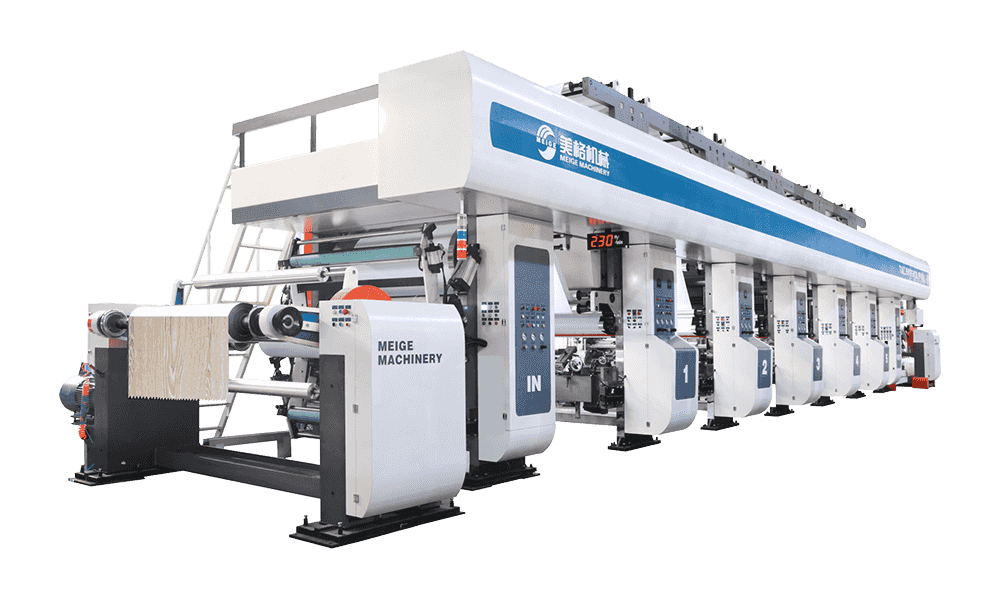
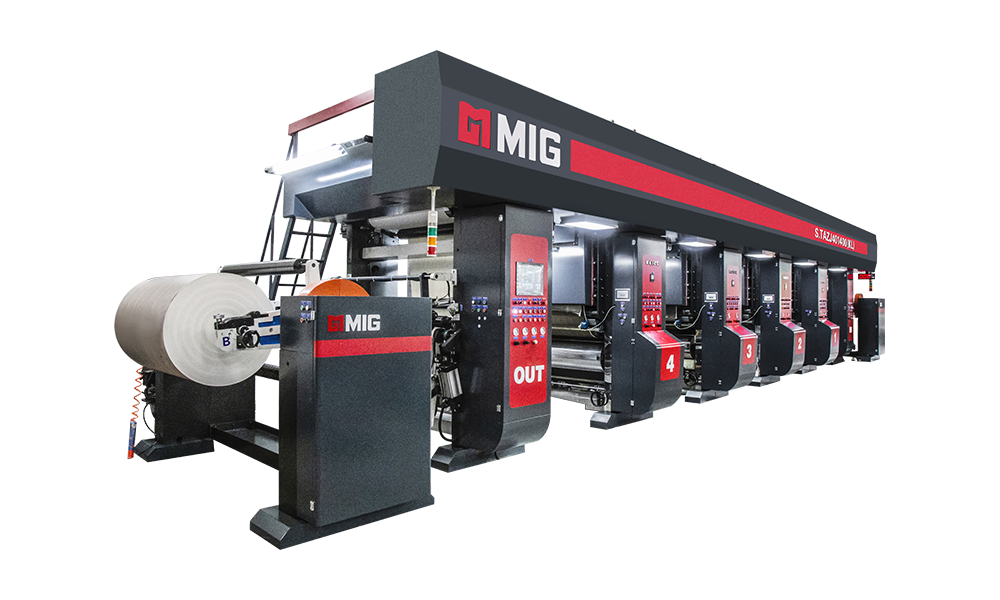
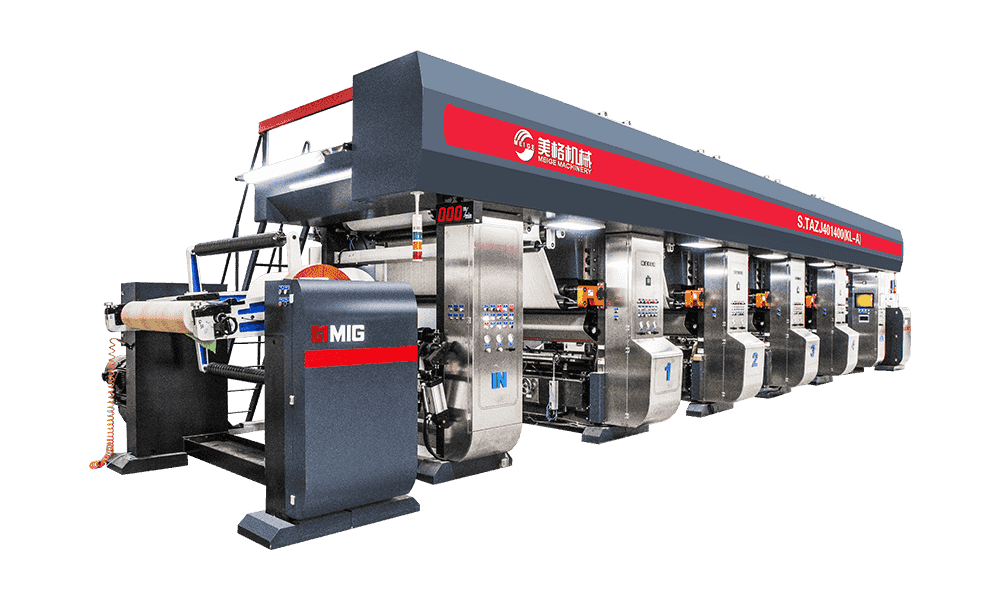
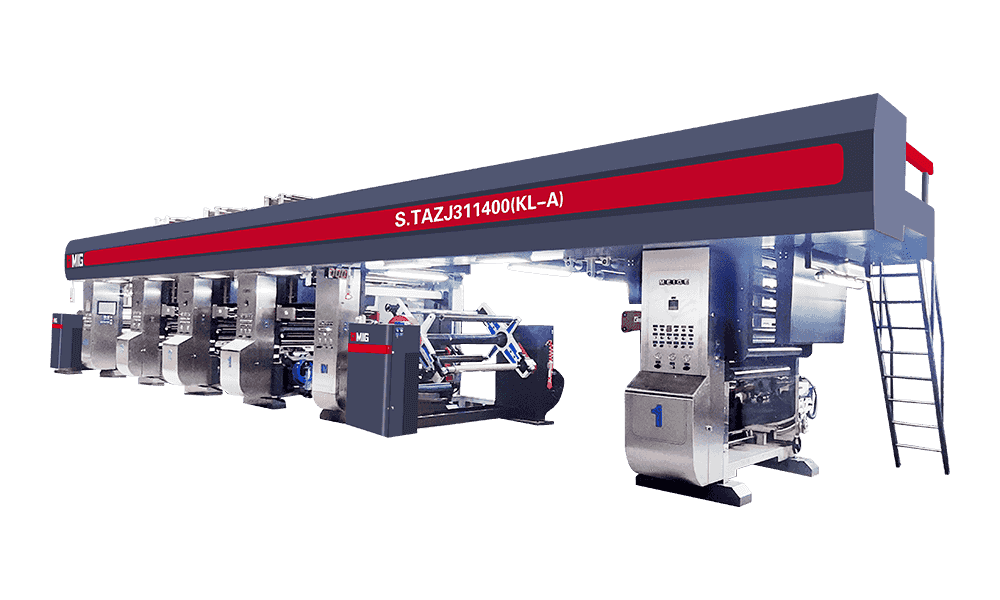
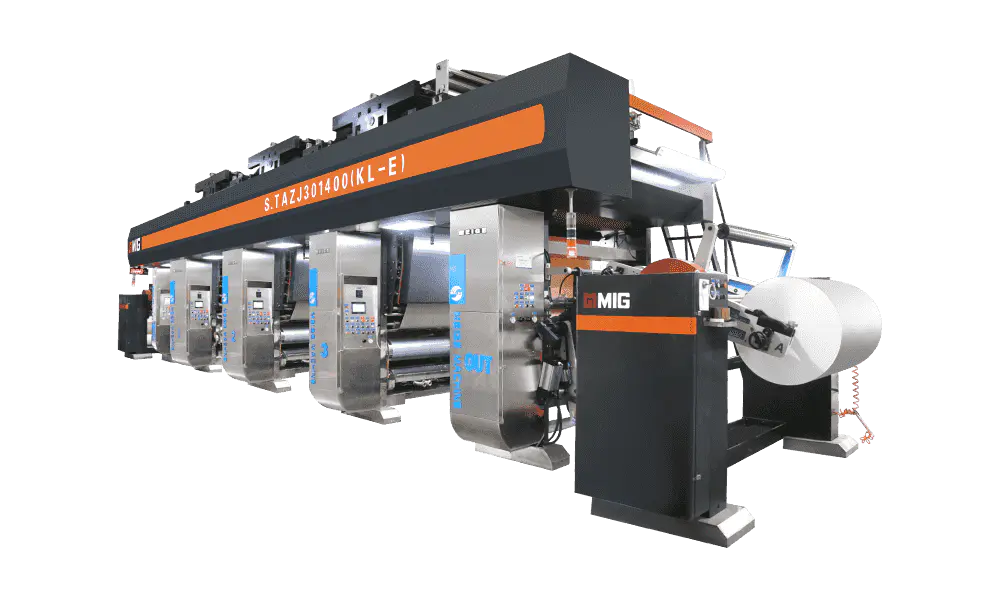
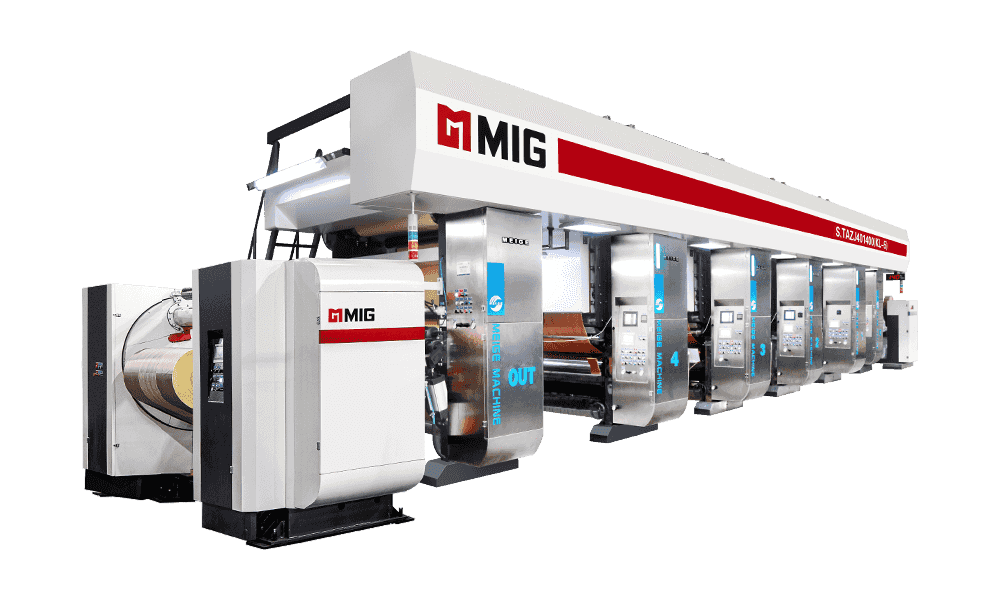
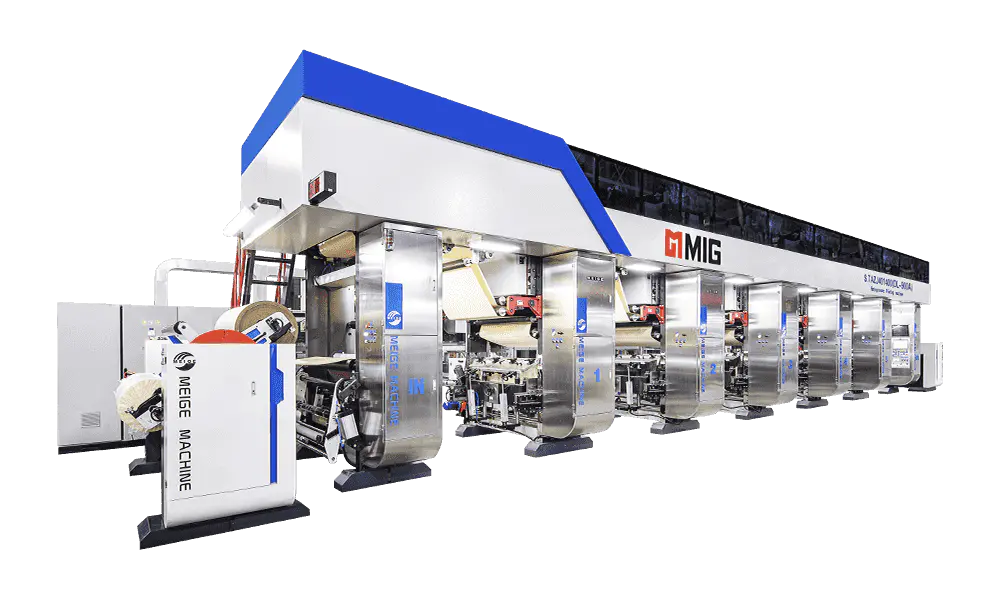
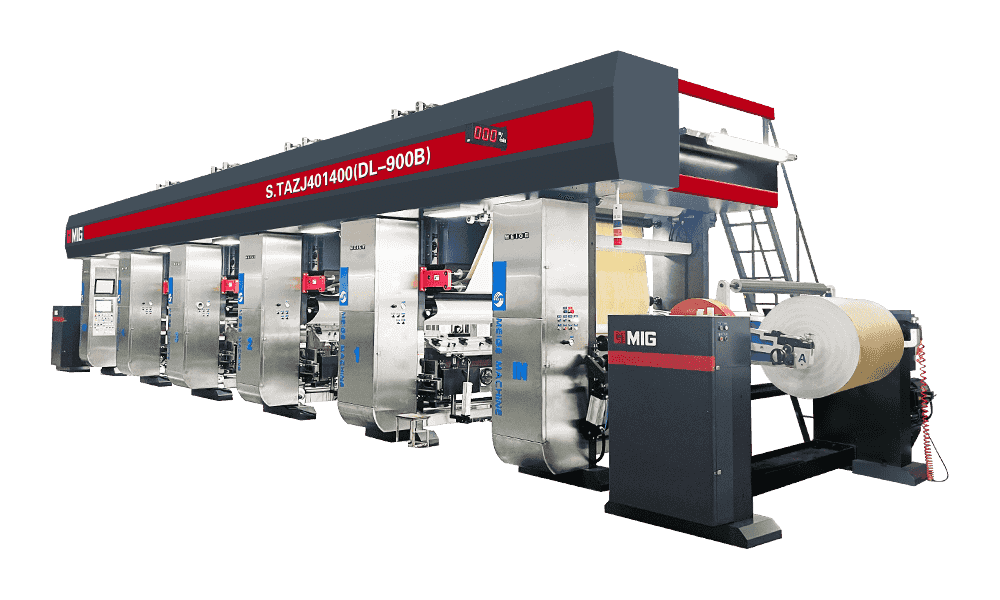
Recommended Products
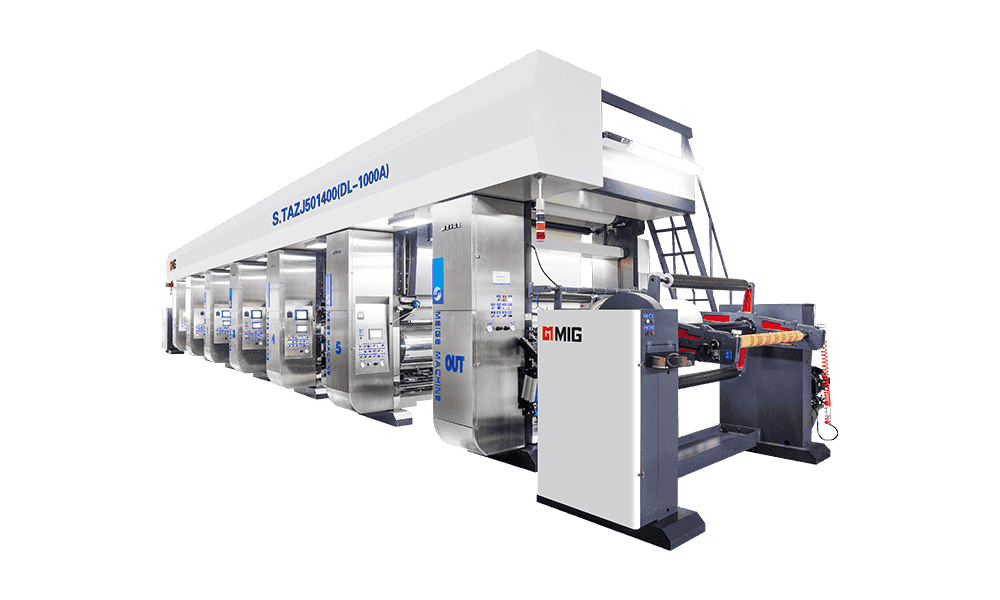
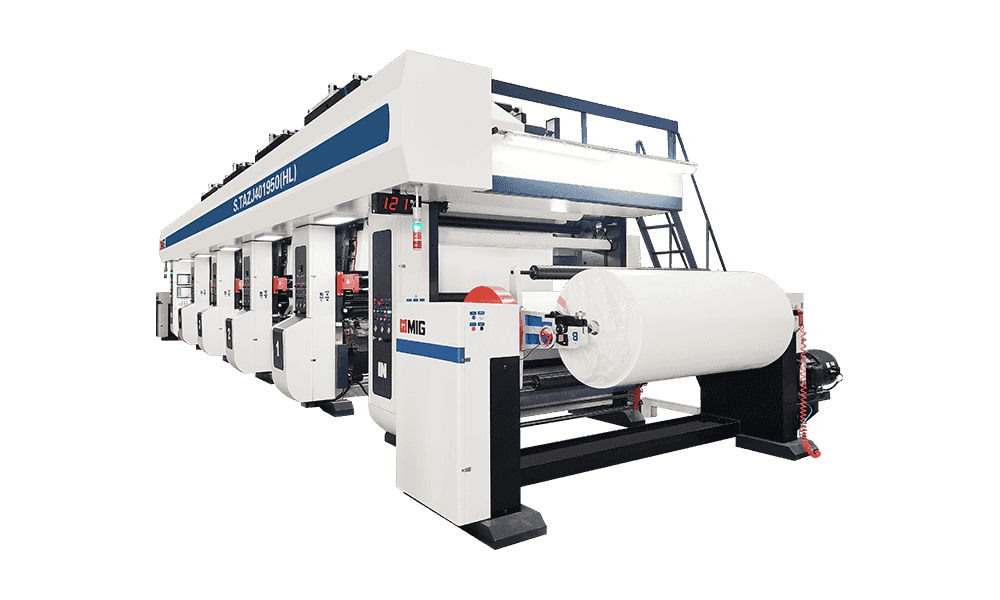
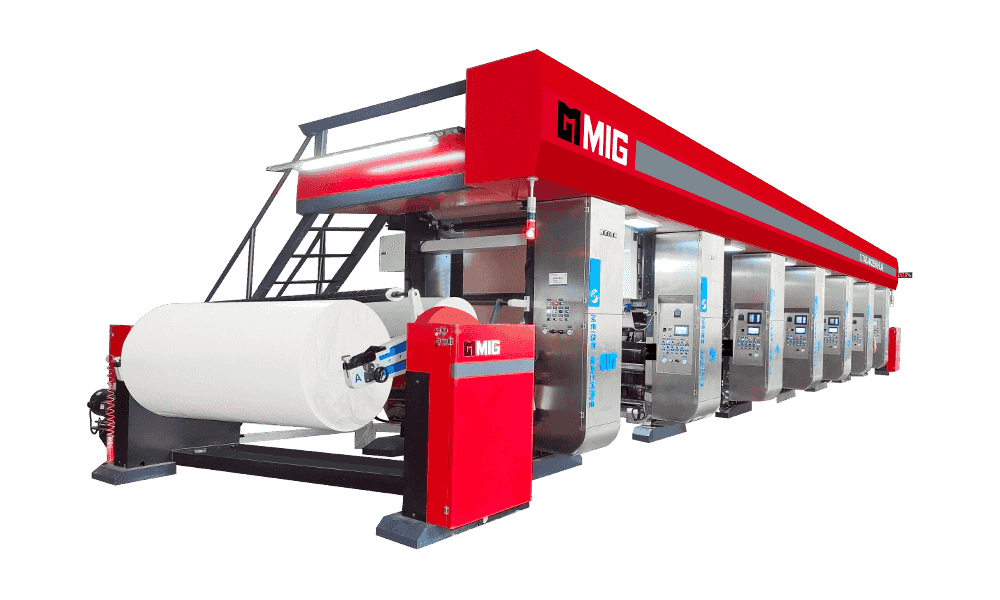
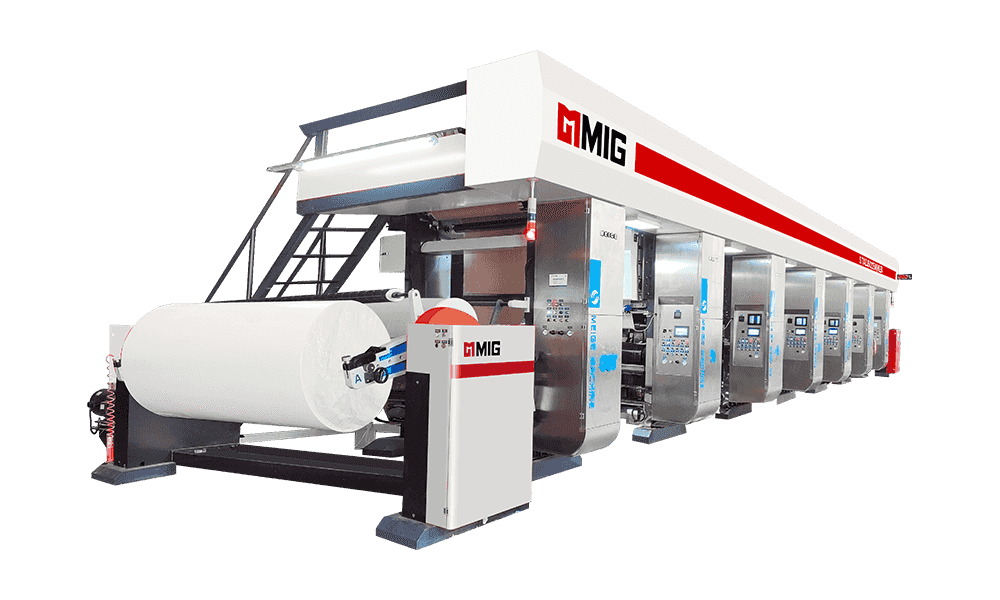
The variety of models, to meet the development needs of various regions in the world.
Message Us Right Now!
Quick Links
Products
Contact Us
- Phone: +86-13067738802 (Manager Hua)
- Tel: +86-0571-61071715
- Fax: +86-0571-61071706
- Mail: [email protected]
- Add: No.32 Wujiatou, Qingke Village, Jincheng Street, Lin'an District, Hangzhou City, Zhejiang Province

Copyright © Zhejiang Meige Machinery Technology Co., Ltd. All rights reserved.
 Privacy Rotogravure Printing Machine Manufacturers