
 English
 中文简体
中文简体 русский
 فارسی
فارسی عربى
عربى Deutsch
How Rotogravure Printing Machines Work and How to Choose the Right One
Content
- 1 What Are Rotogravure Printing Machines and Where Are They Used
- 2 How Rotogravure Printing Machines Actually Work
- 3 Practical Advantages of Rotogravure Printing Machines
- 4 Limitations You Should Consider Before Buying
- 5
- 6 How to Choose the Right Rotogravure Printing Machine
- 7 Cost Breakdown and ROI Considerations
- 8 Maintenance Tips to Keep Your Machine Running Efficiently
- 9 When Rotogravure Printing Machines Are the Best Choice
What Are Rotogravure Printing Machines and Where Are They Used
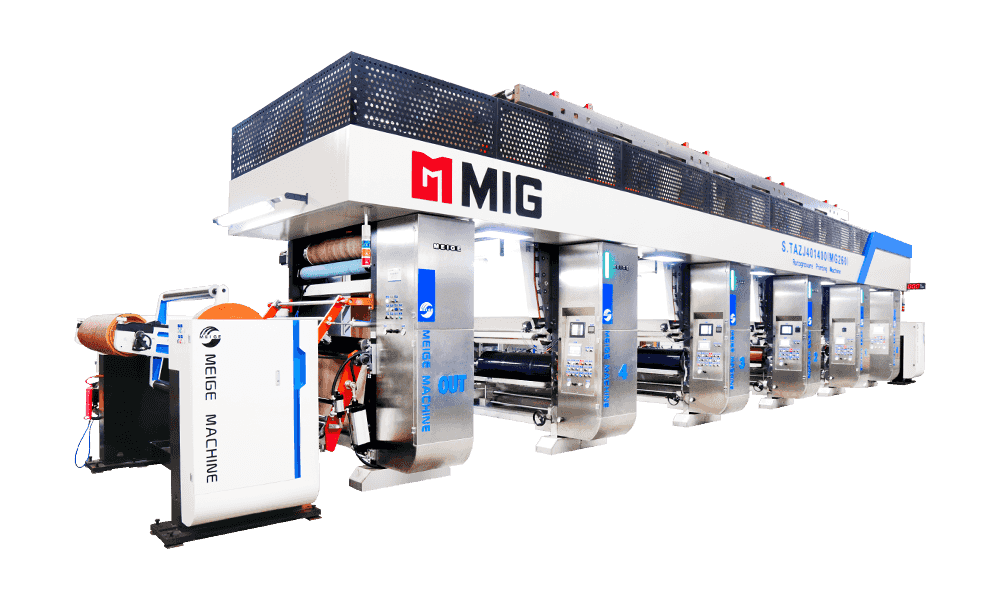
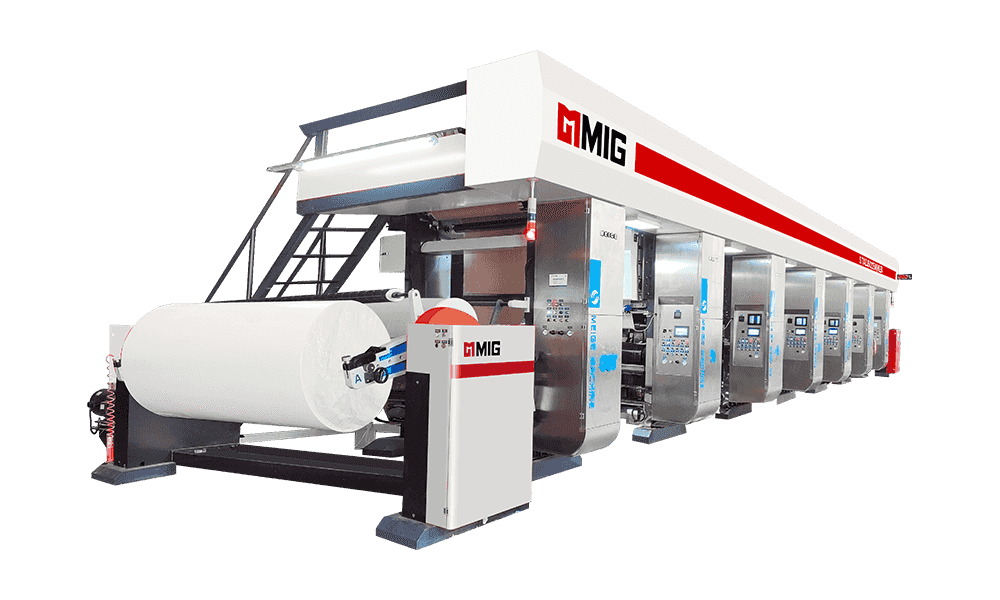
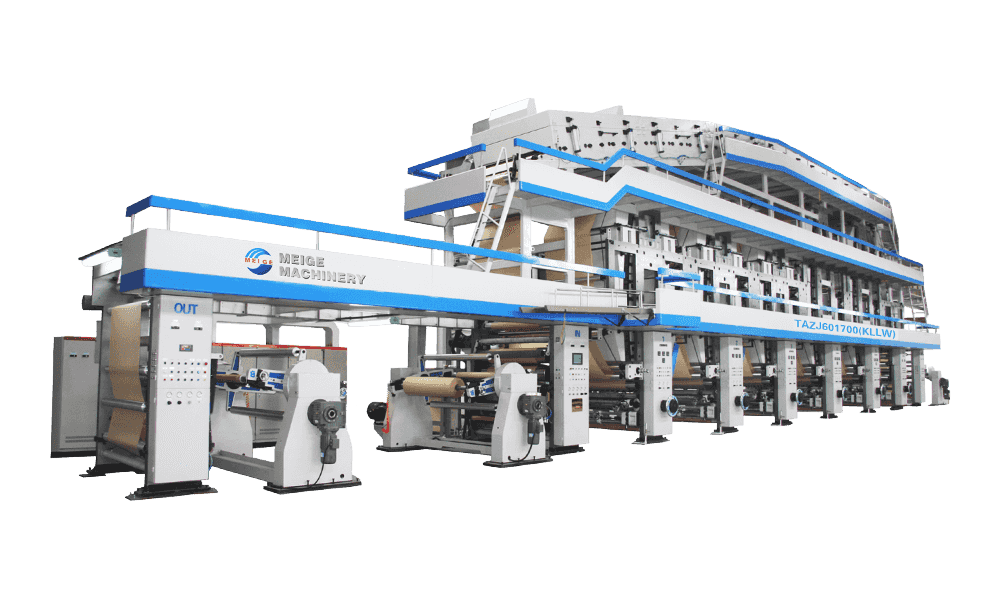
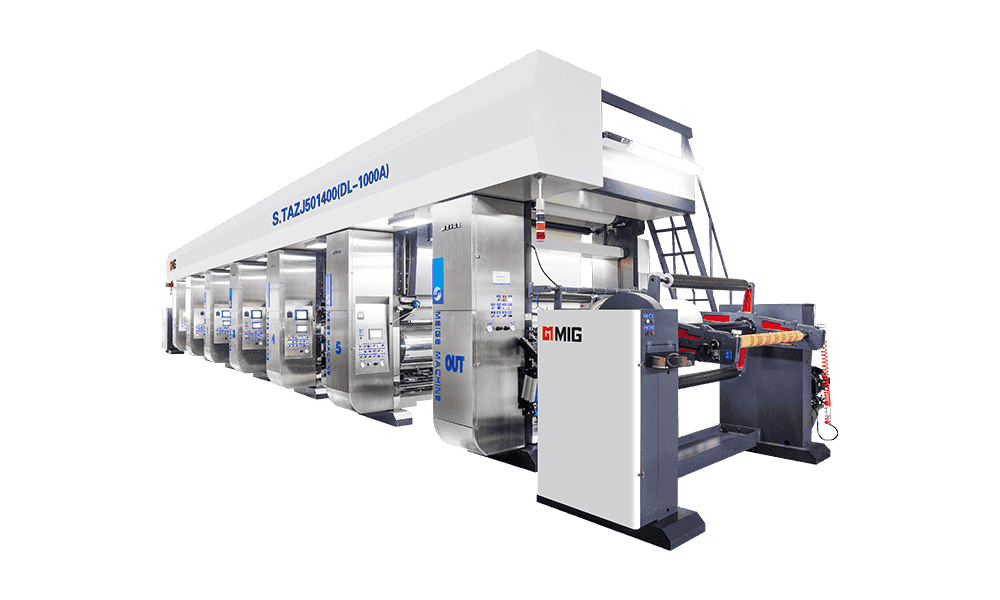
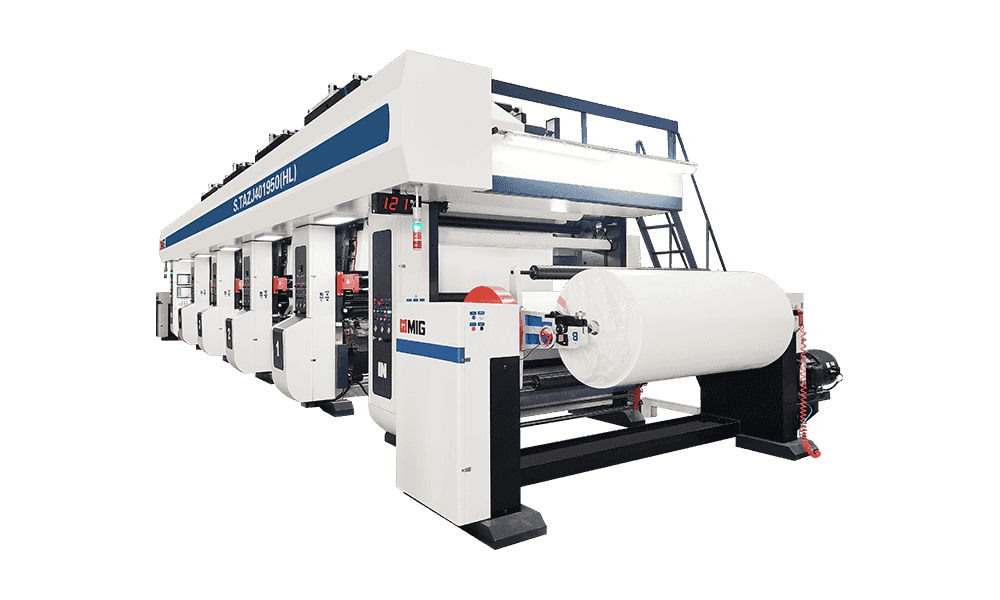
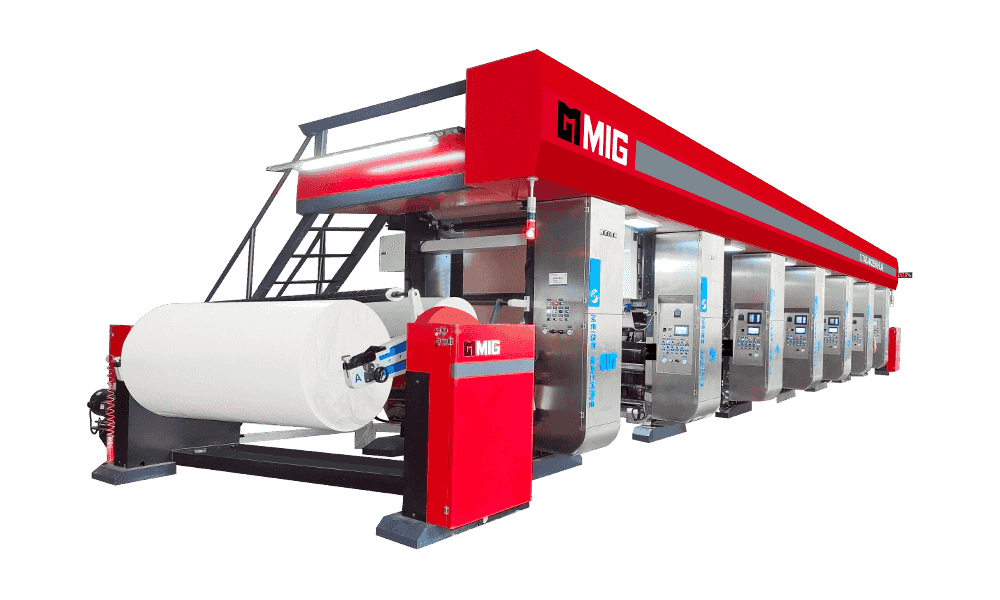
Rotogravure printing machines, also known as gravure printing machines or rotogravure presses, are high-speed industrial systems used for large-volume printing with consistent quality. Unlike flexographic or offset printing, rotogravure printing relies on engraved cylinders to transfer ink directly onto substrates such as plastic films, paper, aluminum foil, and laminates.
These machines are widely used in packaging industries, especially for flexible packaging like food wrappers, pet food bags, pharmaceutical packaging, and decorative laminates. The key advantage of rotogravure printing machines is their ability to maintain stable color density and sharp image reproduction over long production runs.
How Rotogravure Printing Machines Actually Work
The rotogravure printing process is based on engraved image cells on a metal cylinder. Each cylinder corresponds to one color in the design. Ink fills the engraved cells, and excess ink is removed by a doctor blade before the cylinder contacts the substrate.
As the substrate passes between the impression roller and the gravure cylinder, ink is transferred from the cells onto the material. This process is repeated for each color station, resulting in multi-color high-resolution prints.
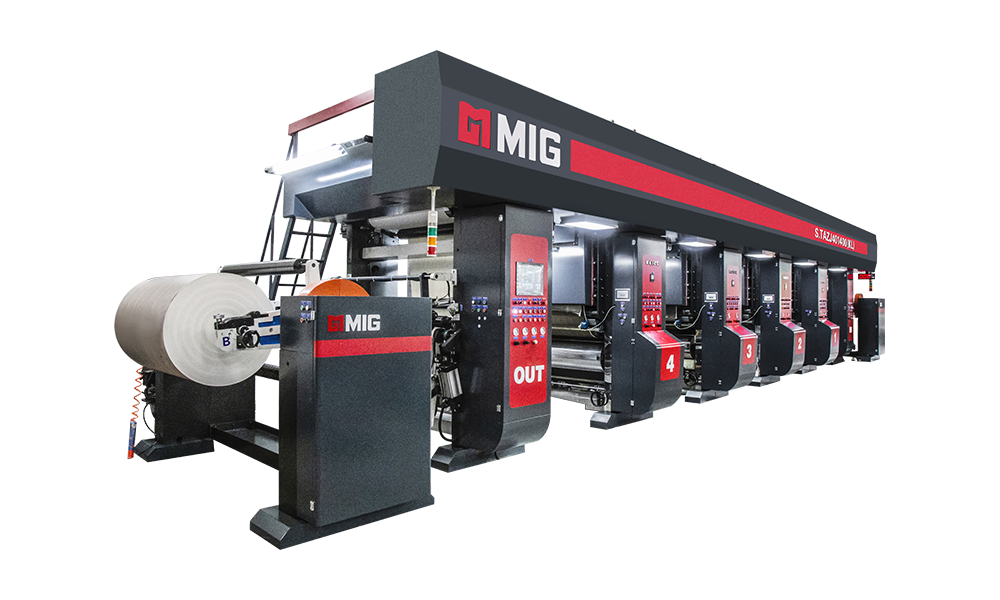
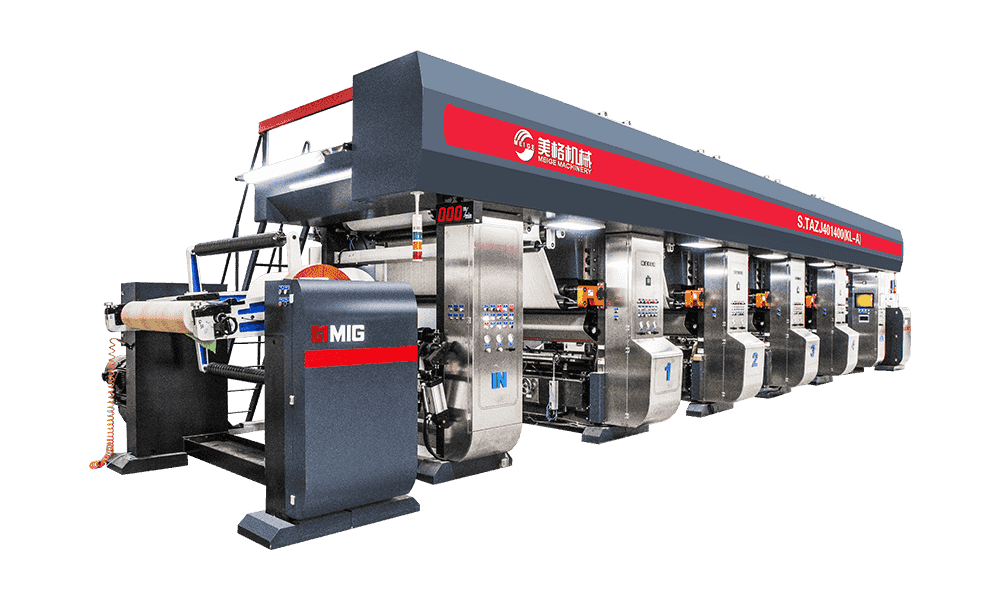
Key Components of a Rotogravure Press
- Engraved cylinders for each color layer
- Ink fountain and circulation system
- Doctor blade to remove excess ink
- Drying system between printing units
- Unwind and rewind systems for continuous production
Practical Advantages of Rotogravure Printing Machines
In real production environments, rotogravure printing machines offer several practical benefits that make them ideal for large-scale operations. They are especially preferred when print consistency and speed are critical.
- Extremely high printing speed, suitable for mass production
- Excellent color consistency over long runs
- High-quality image reproduction with fine details
- Wide compatibility with different substrates
- Durable cylinders that can be reused for repeat orders
Limitations You Should Consider Before Buying
While rotogravure printing machines are powerful, they are not always the best choice for every application. Understanding their limitations helps avoid costly mistakes.
- High initial investment for machine and cylinder engraving
- Long setup time compared to digital printing
- Not cost-effective for short print runs
- Requires skilled operators and maintenance staff

How to Choose the Right Rotogravure Printing Machine
Choosing the right rotogravure printing machine depends on your production scale, material type, and printing requirements. Instead of focusing only on price, it is more practical to evaluate performance, compatibility, and long-term costs.
Key Selection Factors
- Printing speed and production capacity
- Number of color stations required
- Substrate compatibility (film, foil, paper)
- Drying efficiency and energy consumption
- Automation level and control system
Comparison Table for Different Machine Configurations
| Configuration | Best For | Advantages | Limitations |
| 6-color press | Basic packaging | Lower cost, simple operation | Limited color range |
| 8–10 color press | Flexible packaging | Better image quality | Higher investment |
| High-speed automatic | Mass production | Maximum efficiency | Complex maintenance |
Cost Breakdown and ROI Considerations
When investing in rotogravure printing machines, it is important to look beyond the purchase price. Total cost of ownership includes cylinders, ink consumption, energy use, and maintenance.
For high-volume, repeat orders, rotogravure printing machines offer excellent return on investment because cylinder costs are amortized over large production runs. However, for short-run or customized printing, alternative technologies may be more economical.
Maintenance Tips to Keep Your Machine Running Efficiently
Proper maintenance is essential to ensure consistent print quality and extend the lifespan of rotogravure printing equipment. Neglecting routine care can lead to defects such as streaking, color inconsistency, or cylinder wear.
- Regularly clean cylinders and ink systems
- Check doctor blade alignment and wear
- Monitor drying temperature and airflow
- Inspect tension control systems
- Schedule preventive maintenance regularly
When Rotogravure Printing Machines Are the Best Choice
Rotogravure printing machines are the best choice when you need high-speed production, repeat consistency, and premium print quality. They are particularly suitable for industries where branding, color accuracy, and large order volumes are critical.
If your business focuses on long-run packaging production with stable designs, investing in a rotogravure press can significantly improve efficiency and reduce unit costs over time.

Recommended Products
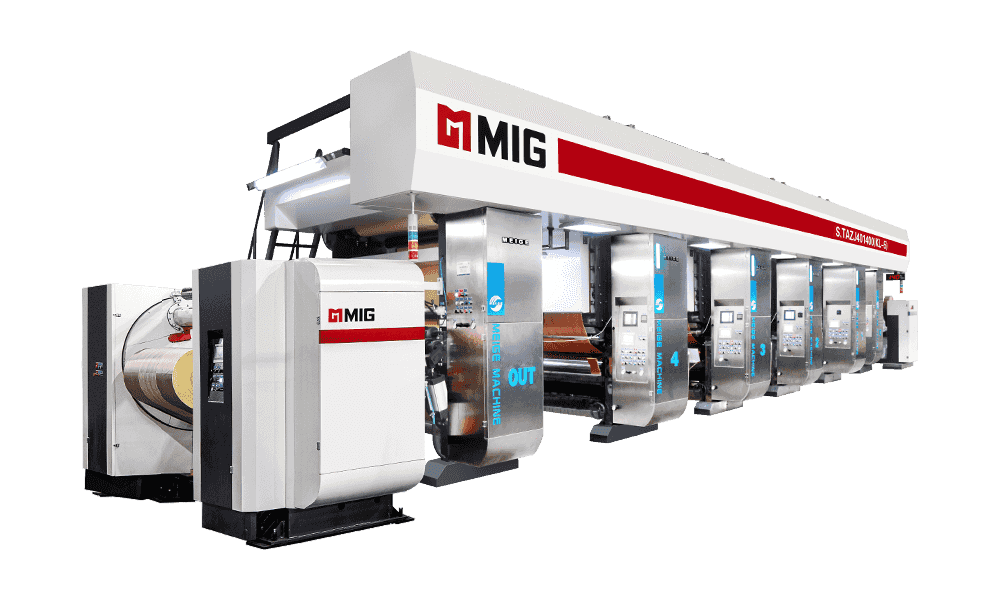
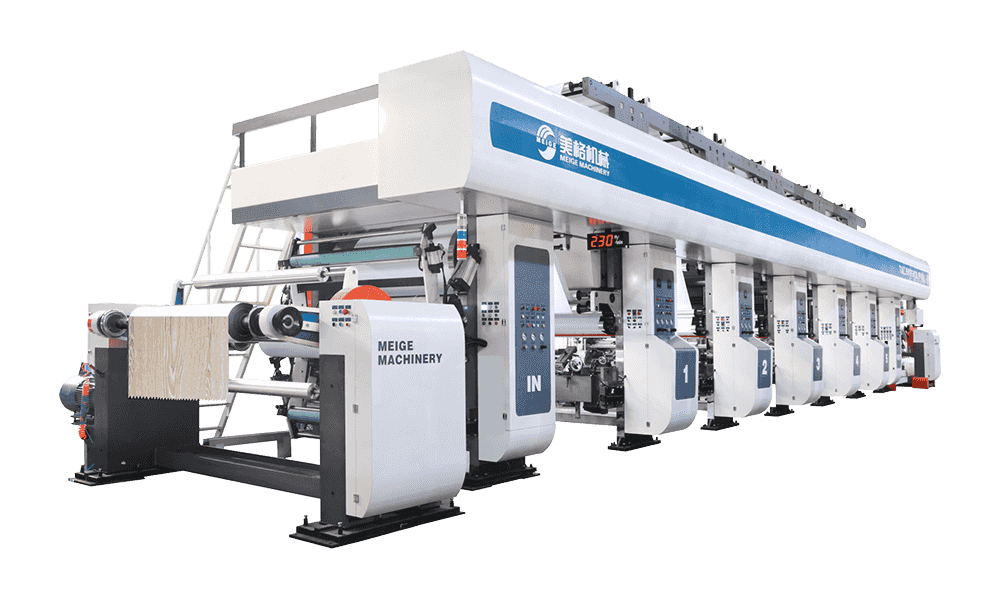
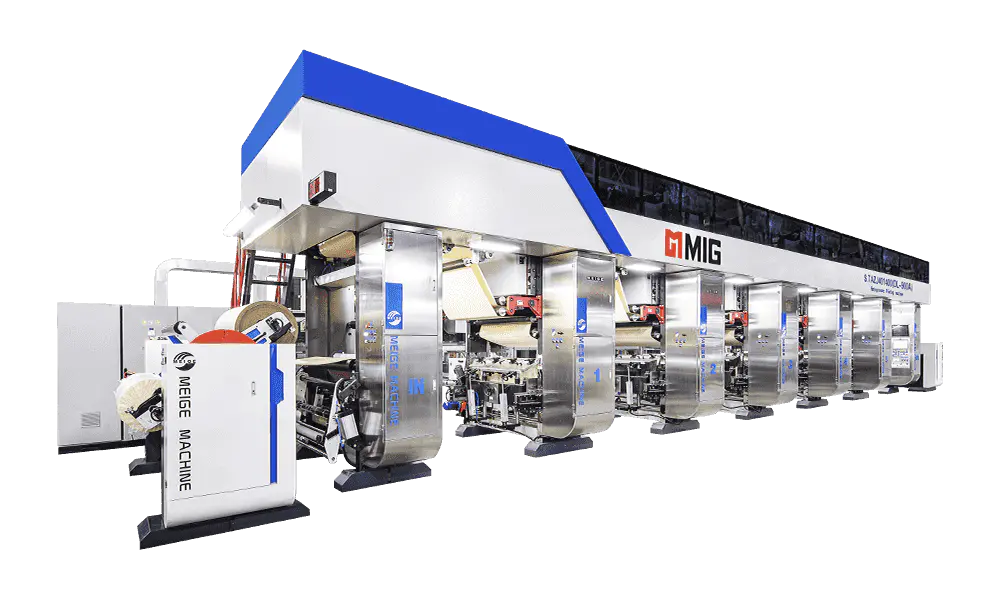
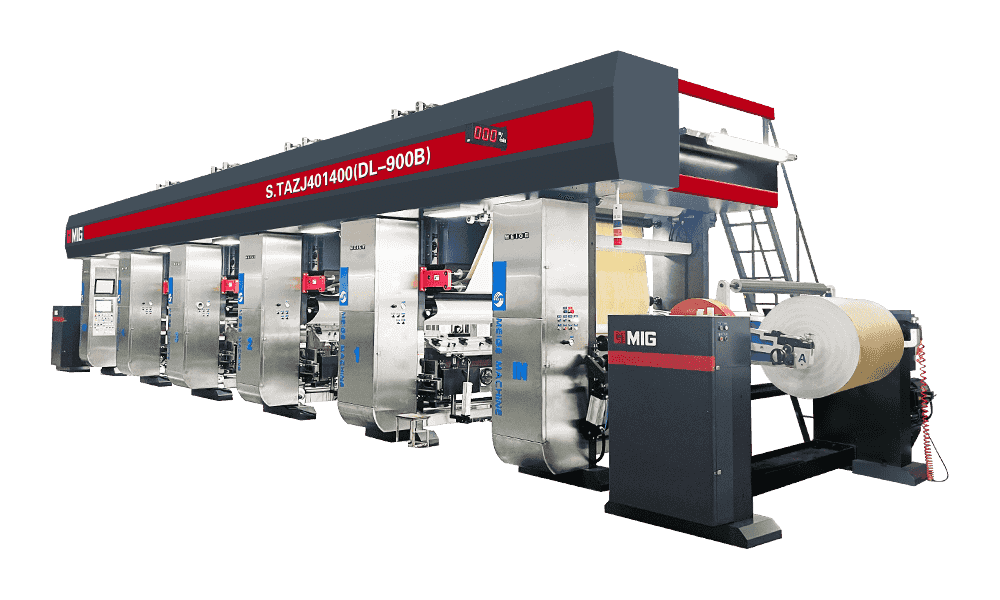
The variety of models, to meet the development needs of various regions in the world.
Message Us Right Now!
Quick Links
Products
Contact Us
- Phone: +86-13067738802 (Manager Hua)
- Tel: +86-0571-61071715
- Fax: +86-0571-61071706
- Mail: [email protected]
- Add: No.32 Wujiatou, Qingke Village, Jincheng Street, Lin'an District, Hangzhou City, Zhejiang Province

Copyright © Zhejiang Meige Machinery Technology Co., Ltd. All rights reserved.
 Privacy Rotogravure Printing Machine Manufacturers