
 English
 中文简体
 русский
 فارسی
 عربى
 Deutsch
PVC Laminating Machine Guide: Roll-to-Roll Film Lamination, Step by Step
Ask ten people in the decorative film trade what a PVC laminating machine does and you will get at least three different answers. Someone will describe a flatbed press that skins MDF boards with PVC foil. Someone else will picture a roll-to-roll line where printed film is bonded to a backing and embossed in a single pass. A third will talk about a multi-layer composite line that joins two or three films without using a drop of adhesive.
All of them are right, within their own four walls. The confusion is not really about vocabulary. It is about where the machine sits in the plant and what it is expected to deliver at the end of the shift. From our side of the industry, having built decorating equipment in Hangzhou since 1999, we have watched this same conversation play out in dozens of factories. This guide walks through what these lines actually do, how the stations fit together, and the questions worth asking before you sign off on a specification.
Content
What the Machine Is Actually Asked to Do
Strip the marketing language away and a laminating line has three jobs. The first is bonding: bringing two or more webs together and making sure they stay together through cutting, pressing, and years of service. The second is surface: imparting a texture, a gloss level, or a protective skin that the printed film cannot provide on its own. The third is consistency: holding thickness, tension, and colour across a roll that may run for hours.
Everything else, the PLC, the HMI, the automated roll handling, exists to serve those three outcomes. When a line disappoints, it is almost never because the control system was too simple. It is because one of those three jobs was underspecified at the quotation stage.
Sheet Lamination and Roll-to-Roll Are Different Animals
Search results for this topic tend to mix two very different machine families, so it is worth separating them early.
Sheet laminators take a rigid panel, whether MDF, plywood, particleboard, or foam board, and apply a PVC foil to one or both faces using adhesive or a thermal film. The output is a finished panel. Cycle times are measured in seconds or minutes per board, and the operator handles stacks rather than rolls.
Roll-to-roll laminators work with continuous webs. Printed PVC, PP, or PET film is combined with a backing layer, an optional protective layer, and sometimes a metallic or foamed interlayer, then embossed and rewound. The output is a roll of decorative film that will later be sold to a panel plant, a flooring producer, or a furniture component maker. If your business is printing and finishing film, this is the family you are shopping in, and the specifications that matter are web width, tension stability, and thermal control rather than press cycle time.
Inside the Line, Station by Station
The sequence below is typical for a decorative film composite line. Real configurations shift depending on layer count and whether a coating or protective skin is required.
| Station | Function | Practical note |
|---|---|---|
| Main unwind | Feeds the printed web at controlled tension | Larger diameters reduce splice frequency on long runs |
| Secondary unwind | Feeds the backing, protective, or interlayer film | Two or three unwinds are common on composite lines |
| Preheat | Brings webs to bonding temperature evenly | Uneven heating shows up as patchy adhesion |
| Composite nip | Presses the layers together under controlled pressure | Roll crown and parallelism matter more than tonnage |
| Embossing | Imparts texture, matt or gloss, or a registered pattern | Roll changeover time governs your product mix |
| Cooling | Sets the texture before rewinding | Shortcuts here cause blocking in the finished roll |
| Rewind | Tensions and spools the finished composite | Taper tension control prevents telescoping |
The Glue-Less Route and Why It Matters
Traditional composite lines rely on an adhesive layer between the webs. It works, it is familiar, and for many products it remains the right answer. But the glue-less approach, where layers are bonded by heat and pressure alone, has been gaining ground for reasons that are practical rather than fashionable.
Removing the adhesive removes a source of haze, a source of solvent handling, and a source of delamination when the adhesive ages differently from the films around it. It also simplifies the material list, which matters when customers start asking what a film is made of.
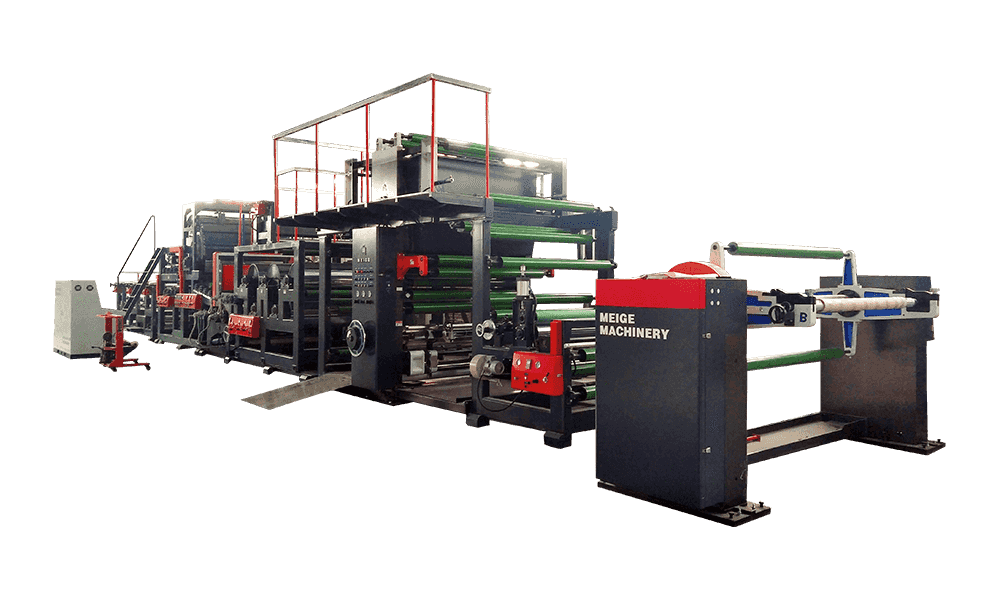 MGFH-1650D-3 PVC Multi-Layer Glueless Composite Embossing MachineA 2- or 3-layer PVC composite embossing machine that bonds without adhesive and adds back-coating, suited to decorative paper producers avoiding adhesive-related defects.View Product →
On machines configured this way, a 2-3 layer structure is bonded without adhesive, then embossed and, where needed, given a protective coating in the same pass. The engineering difficulty sits in temperature uniformity across the web and in keeping the nip pressure constant as roll diameters change through the run. Get those two right and the process is remarkably stable; get them wrong and you will see it immediately as wave marks or edge curl.
Deciding Where the Laminator Sits in Your Plant
The laminator is rarely the first machine in the value chain, and treating it as an isolated purchase is a common mistake. In most decorative film operations the sequence runs: printing, then composite and emboss, then inspection and rewinding.
That means the laminator inherits whatever the press produced. If the printed web arrives with register drift or inconsistent drying, no amount of nip pressure will fix the finished roll. This is why, when we discuss a line with customers, we usually start upstream. A PVC decorative film printing machine with stable electronic shaft drive and controlled drying gives the laminator a clean input, and the whole line becomes easier to tune.
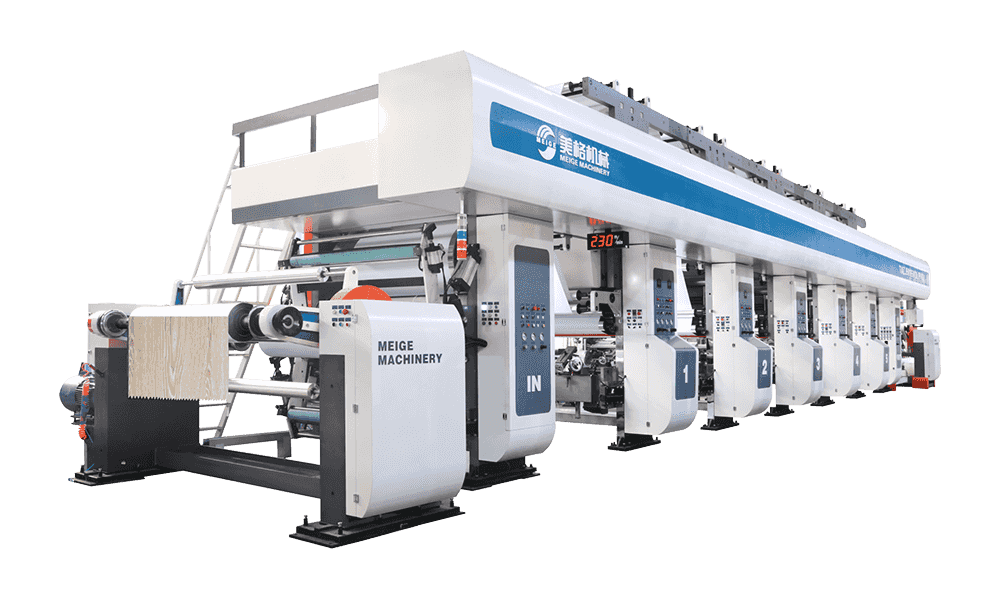
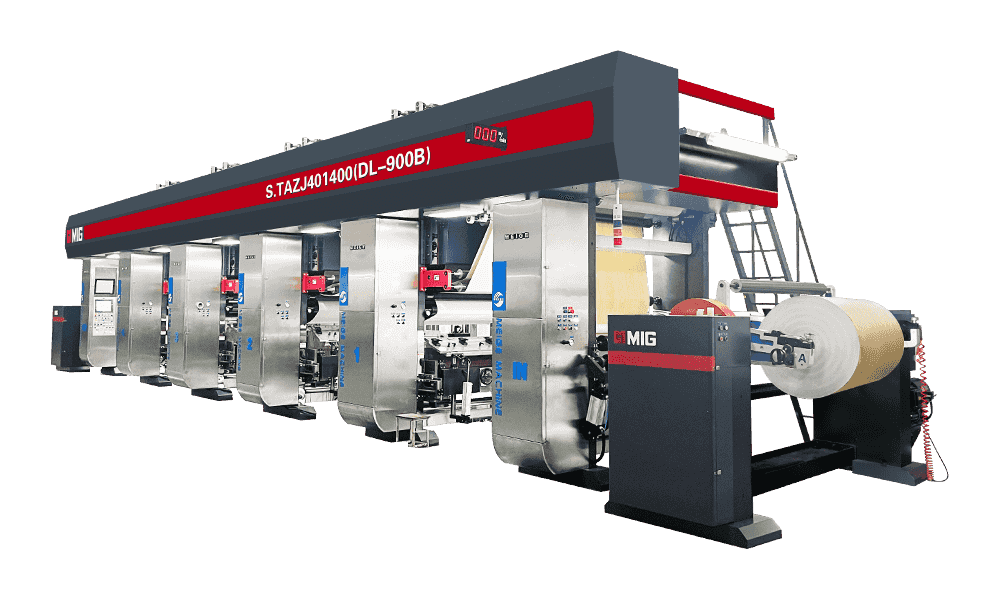
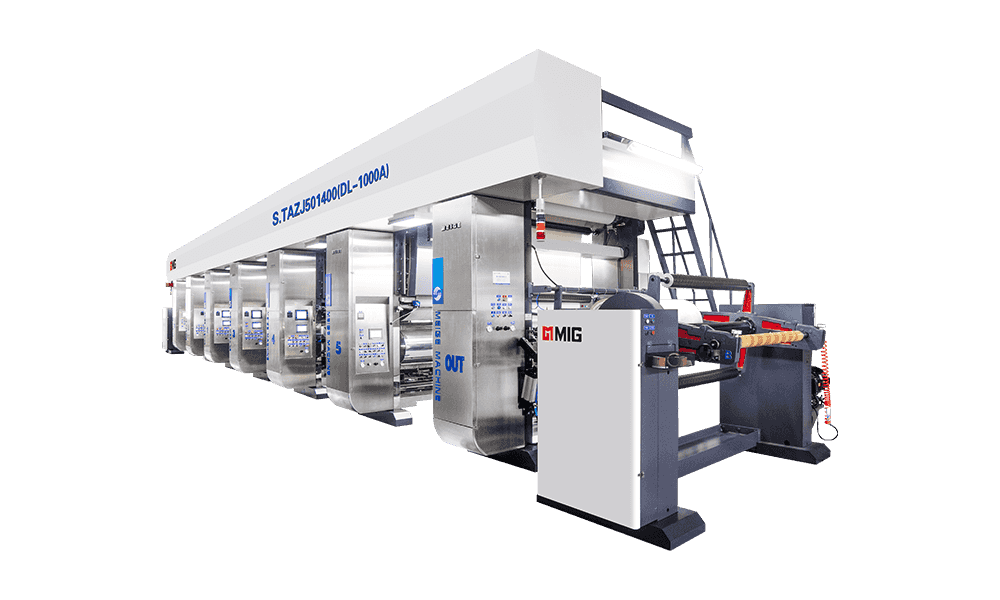
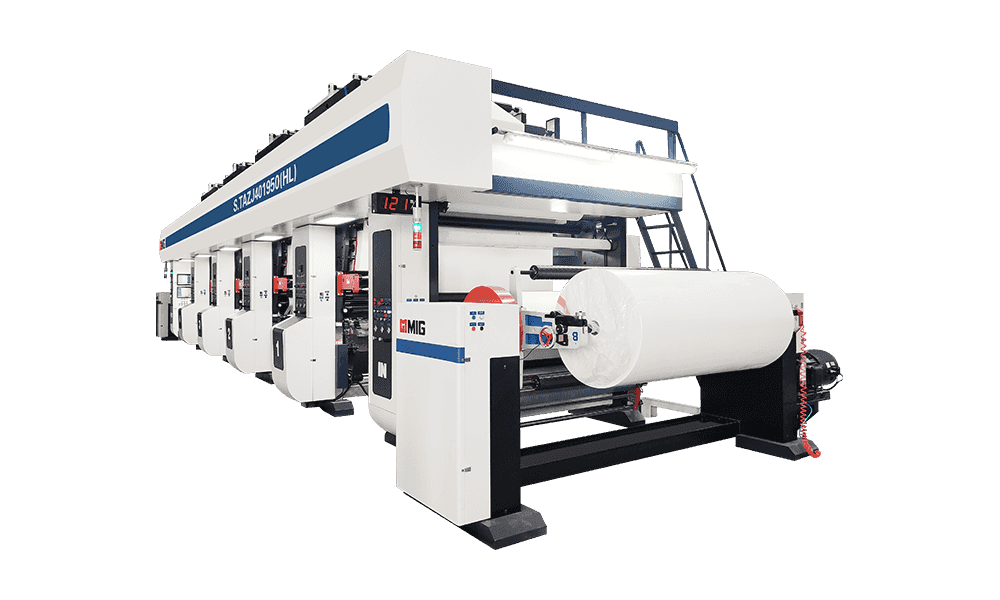
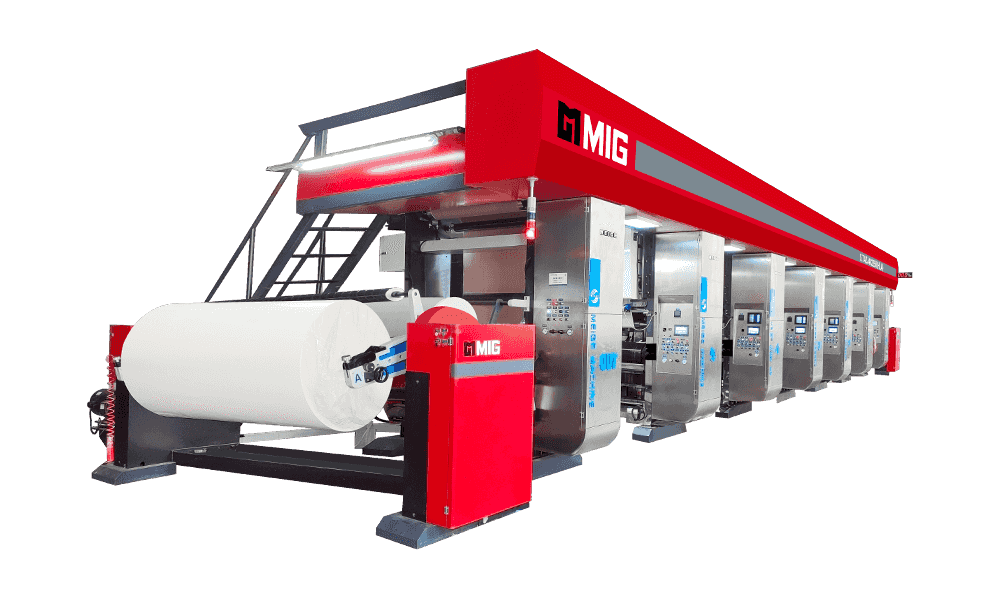
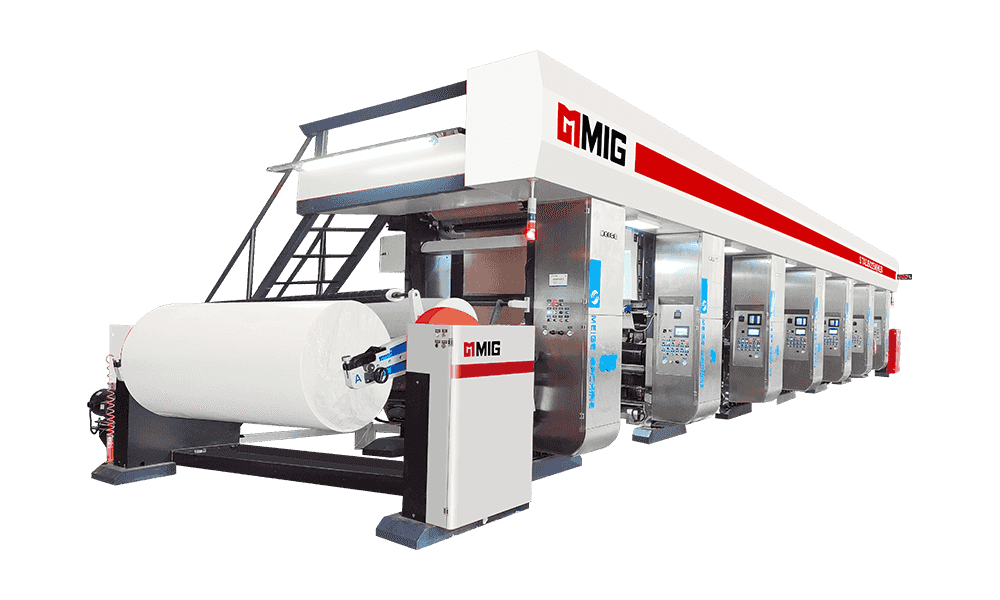
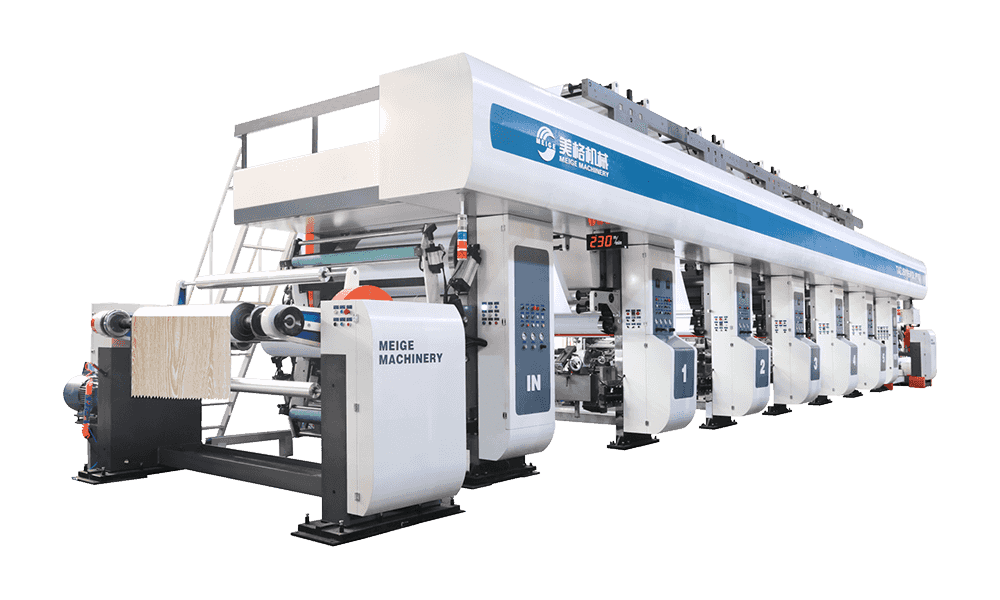 S.TAZJ501650 PL800 4-Foot PVC Gravure Printing MachineA high-speed PVC gravure printer for decorative and floor films, with servo synchronous printing and wide roll capacity, giving laminators a cleaner printed web.View Product →
The downstream side deserves the same attention. Inspection and rewinding equipment catches splice marks, surface defects, and tension faults before the roll reaches a customer, and it is far cheaper to find those problems in your own plant than in someone else's press line.
 MF-1950-2250 Wide-Width Rewinding Inspection MachineA wide-width inspection and rewinding machine with trimming, automatic correction and packaging functions, useful for catching defects and tension faults before rolls reach customers.View Product →
Specifications Worth Pinning Down Early
Most specification debates come down to a handful of variables. Writing them down before you talk to any supplier will save weeks later.
- Web width and the width range you genuinely expect over five years, not just today
- Layer count and whether a coating or protective skin is part of the product plan
- Line speed at your normal film thickness, not the figure from a brochure
- Embossing roll inventory and changeover time, because texture variety is where margin usually lives
- Tension control architecture, particularly taper tension at the rewind
- Cooling capacity relative to the speeds you actually intend to run
- Available floor space, foundation requirements, and power supply
It also helps to think about the operator, not only the product. A line that is easy to thread, easy to clean, and easy to see into will be run better than a technically superior one that nobody enjoys standing next to. Our own view on this is simple: if the person on the shift cannot tell what the machine is doing, the machine is not finished. For a broader walkthrough of how these choices interact, this guide on choosing the right PVC laminating machine covers the trade-offs in more detail.
Keeping the Line Honest
Laminating lines age gracefully if you let them. The failure modes are rarely dramatic; they accumulate as slow drifts that nobody notices until a customer complains.
Watch three things. First, temperature uniformity across the web, checked with a simple traverse rather than a single sensor. Second, nip roll condition, since a worn or crowned roll shows up as an edge-to-centre adhesion difference long before it becomes obvious. Third, embossing roll cleanliness, because residue builds quietly and then releases all at once onto a good roll of film.
Beyond that, keep records. A log of settings, film batches, and finished roll quality turns troubleshooting from guesswork into comparison, and it is the single cheapest reliability improvement available to any plant.
A PVC laminating machine is, in the end, a patient piece of equipment. It does not perform heroics; it repeats. The plants that get the most from theirs are the ones that treated the specification as an engineering conversation rather than a price comparison, matched the line to the material flow around it, and then gave the operators enough understanding to notice when something small started to change. That approach is not glamorous, but it is what separates a line that runs for fifteen years from one that is a source of complaints by year three.
Recommended Products
The variety of models, to meet the development needs of various regions in the world.
Message Us Right Now!
Quick Links
Products
Contact Us
- Phone: +86-13067738802 (Manager Hua)
- Tel: +86-0571-61071715
- Fax: +86-0571-61071706
- Mail: [email protected]
- Add: No.32 Wujiatou, Qingke Village, Jincheng Street, Lin'an District, Hangzhou City, Zhejiang Province

Copyright © Zhejiang Meige Machinery Technology Co., Ltd. All rights reserved.
 Privacy Rotogravure Printing Machine Manufacturers