
 English
 中文简体
中文简体 русский
 فارسی
فارسی عربى
عربى Deutsch
The Secret Sauce of Printing: How Gravure Machines Bring Images to Life
Ever wondered how the glossy images on your favorite magazine covers, the intricate patterns on wallpaper, or even the design on flexible food packaging get there with such stunning quality and consistency? The answer lies in a fascinating piece of industrial equipment: the gravure machine. This isn’t just any printer—it’s the powerhouse behind high-volume, high-quality color printing.
Content
What Exactly is a Gravure Machine?
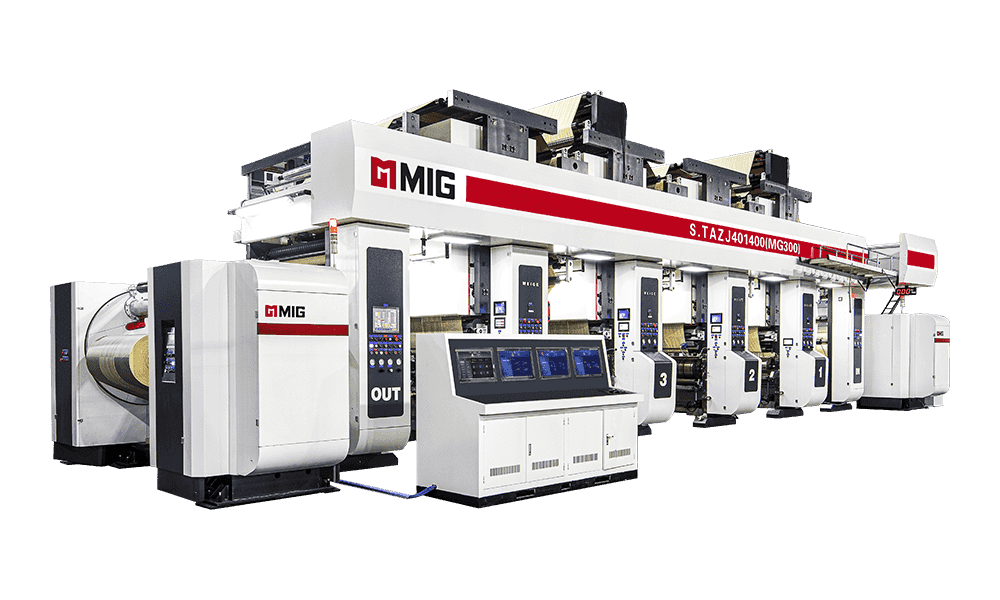
At its heart, a gravure machine (also known as a rotogravure press) is an intaglio printing system. The word intaglio is Italian for “to carve,” and it perfectly describes the technique. Unlike typical office printers that rely on raised images (relief printing, like letterpress) or images on a flat surface (planographic printing, like offset lithography), gravure uses a recessed, or sunken, image area.
How Intaglio Printing Works
Think of it like an engraved stone tablet. The image is actually etched or carved into the surface of a metal cylinder.
- Cylinder Preparation: A large, precisely-machined metal cylinder is plated with copper, which is then etched with billions of tiny, microscopic cells. These cells form the image and text. The depth and size of each cell determine how much ink it holds, and consequently, the tone or density of the printed color.
- Inking: As the press runs, the rotating cylinder passes through an ink fountain, completely covering the surface with a fast-drying, low-viscosity (thin) ink.
- Wiping (The Doctor Blade): This is the key step! A thin, flexible blade, called the doctor blade, wipes across the cylinder’s surface. It scrapes all the excess ink off the non-image areas, leaving ink only trapped in the tiny, recessed cells.
- Transfer: The paper or other substrate (like plastic film or foil) is squeezed between the inked gravure cylinder and an impression roller (a rubber-covered roller). The pressure pulls the ink out of the cells and transfers it directly onto the material.
- Drying: Since the gravure process uses very thin, solvent-based inks and lays down a relatively thick layer, the web of printed material immediately passes through a high-speed dryer before the next color is applied.
The Gravure Advantage: Why It Reigns Supreme for Certain Jobs
While offset printing dominates books and newspapers, gravure is the undisputed champion for specific, demanding applications.
Unmatched Print Quality and Consistency
Gravure’s greatest strength is its ability to reproduce continuous tone images flawlessly. Because the depth of the microscopic ink cells can vary, it allows for subtle, smooth gradations of color and shadow. This is why it’s used for high-end art reproductions and luxury magazines where photographic quality is essential.
Built for Speed and Endurance
A gravure press is an absolute titan of speed.
- Massive Runs: The copper-plated, chrome-finished cylinders are incredibly durable. They can withstand the friction of the doctor blade for millions of impressions without wearing down, making them perfect for extremely long production runs—think hundreds of thousands or even millions of copies.
- High Velocity: Modern presses can run at speeds exceeding 1,000 meters per minute, churning out printed material faster than almost any other method.
Versatility in Substrates
Gravure isn’t limited to just paper. Its ability to print well on a wide range of non-absorbent, flexible materials gives it a huge advantage in the packaging industry.
- Flexible Packaging: The majority of high-quality designs on snack bags, candy wrappers, and coffee pouches are printed using gravure.
- Wallpaper and Vinyl: Its robust ink lay-down works perfectly for decorative surfaces.
- Security Printing: High-precision gravure is even used for subtle, hard-to-fake features on items like postage stamps.
The Science Behind the Ink Cells: Screen Ruling vs. Cell Depth
When looking closely at a gravure print, you’ll see it’s made up of tiny dots, much like other printing methods. However, the way these dots create tone is unique and powerful.
The Power of Variable Cell Volume
In other printing methods, like offset, a darker area is achieved by making the ink dot bigger (variable area). In gravure, the tiny cells are typically all the same size (or arranged in a fixed pattern, known as the screen ruling), but the cell’s depth is what changes (variable depth).
- A dark black area is printed by a cell that is deep, holding a large volume of ink.
- A light gray area is printed by a cell that is shallow, holding a small volume of ink.
This ability to control the volume of ink for every single microscopic pixel is why gravure provides such rich, saturated colors and smooth tones, outperforming methods that only change the size of the printed dot.


Recommended Products
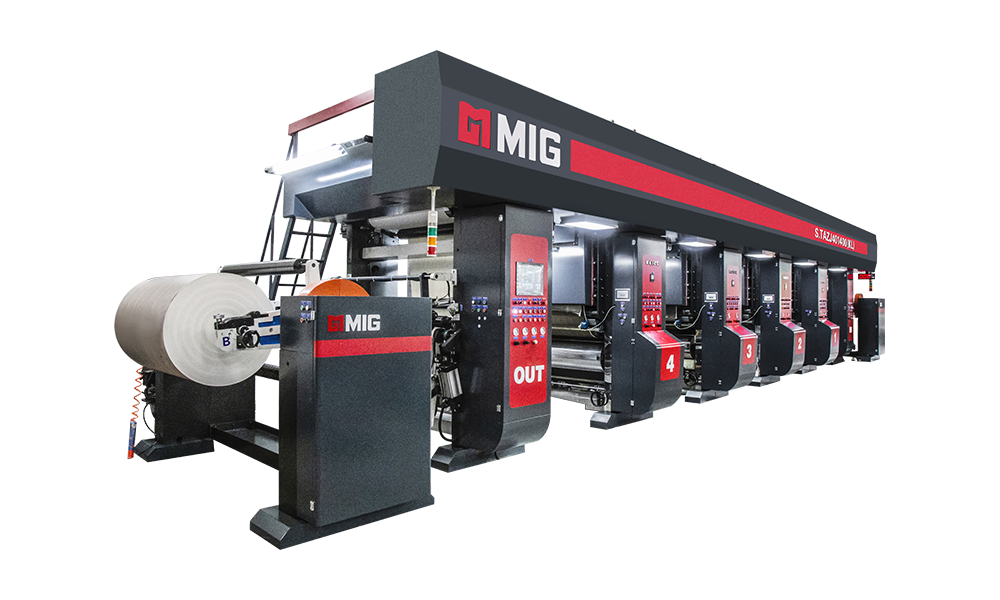
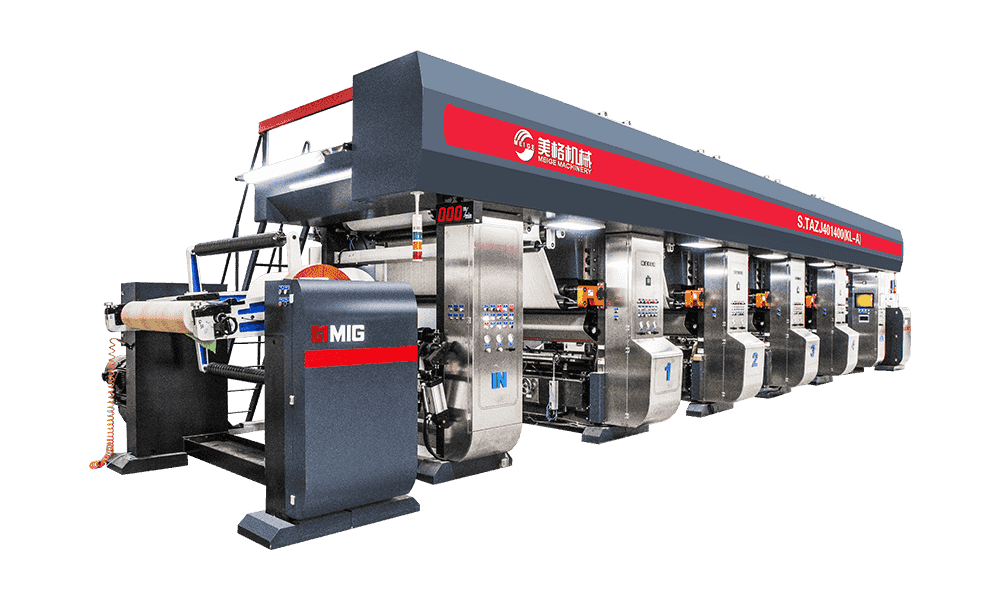
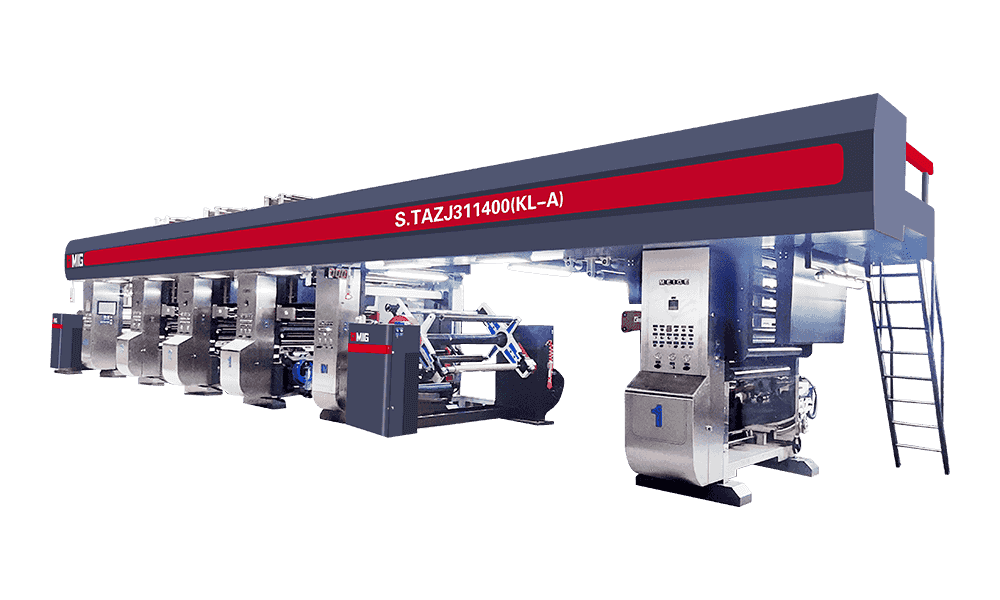
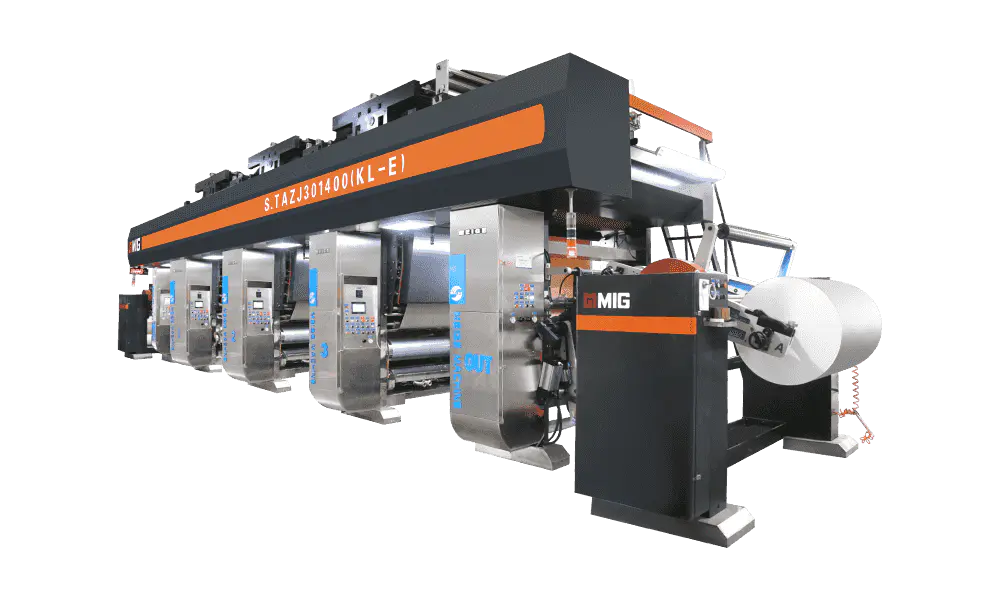
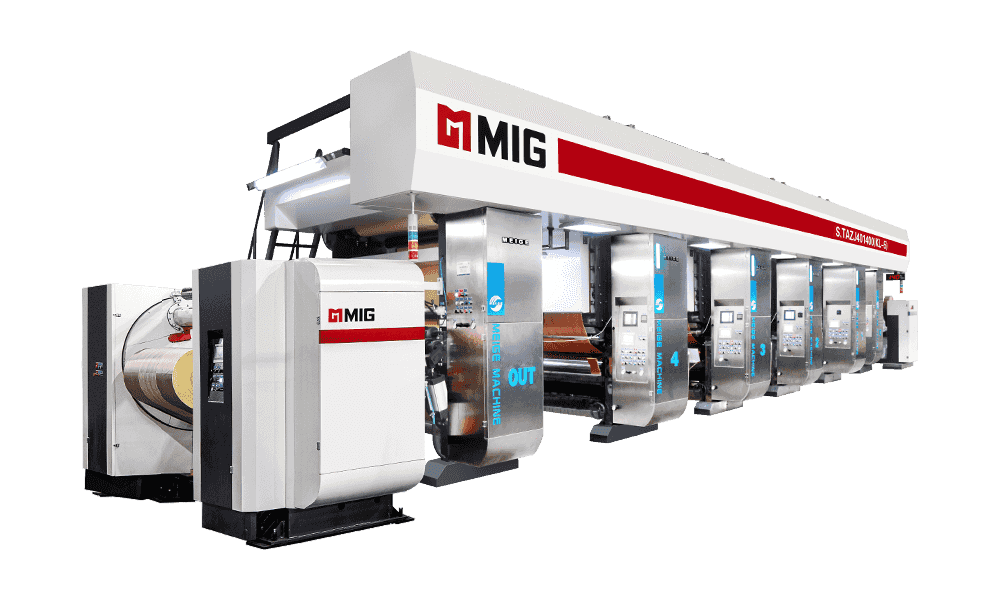
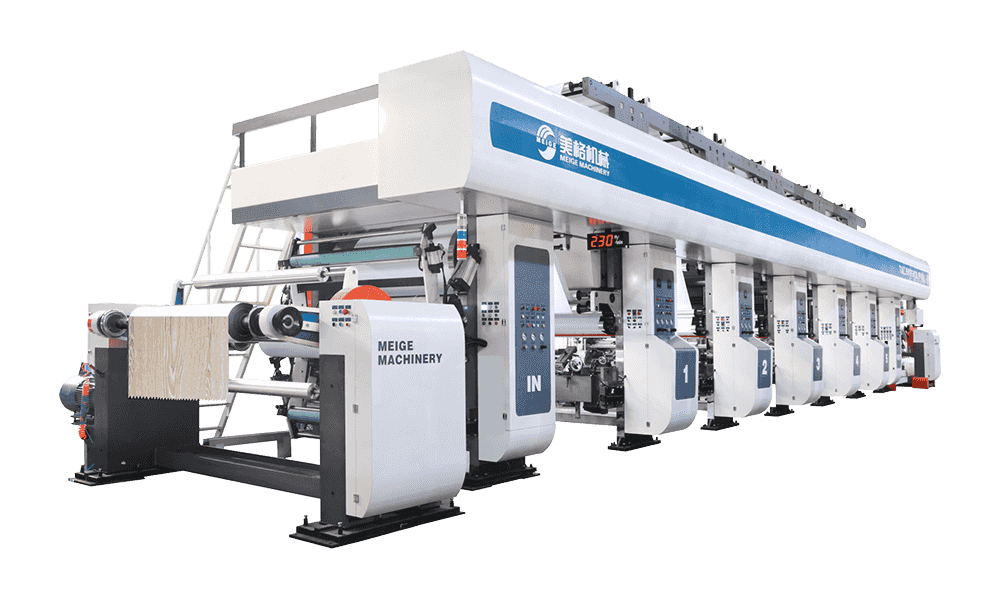
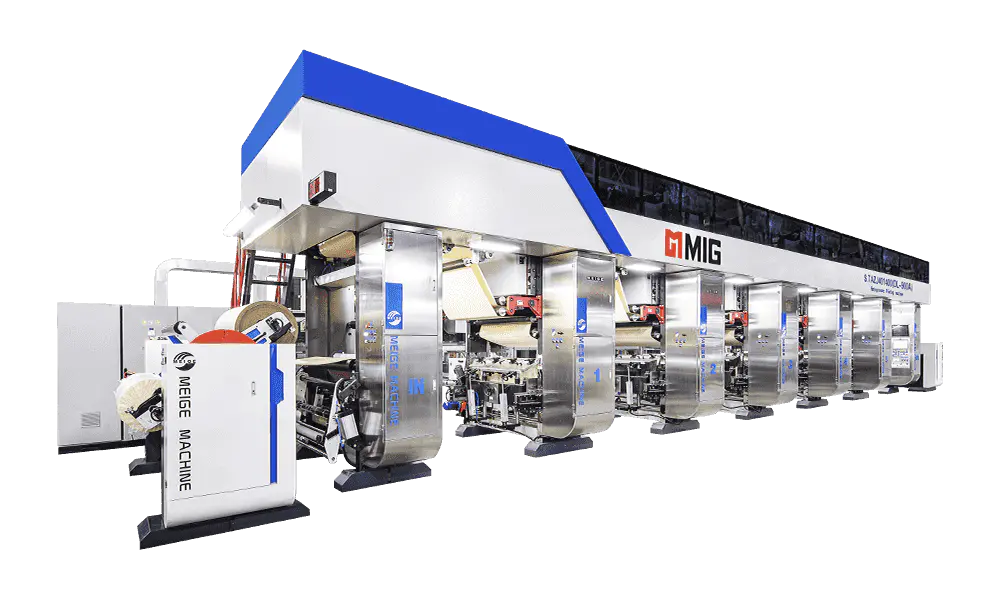
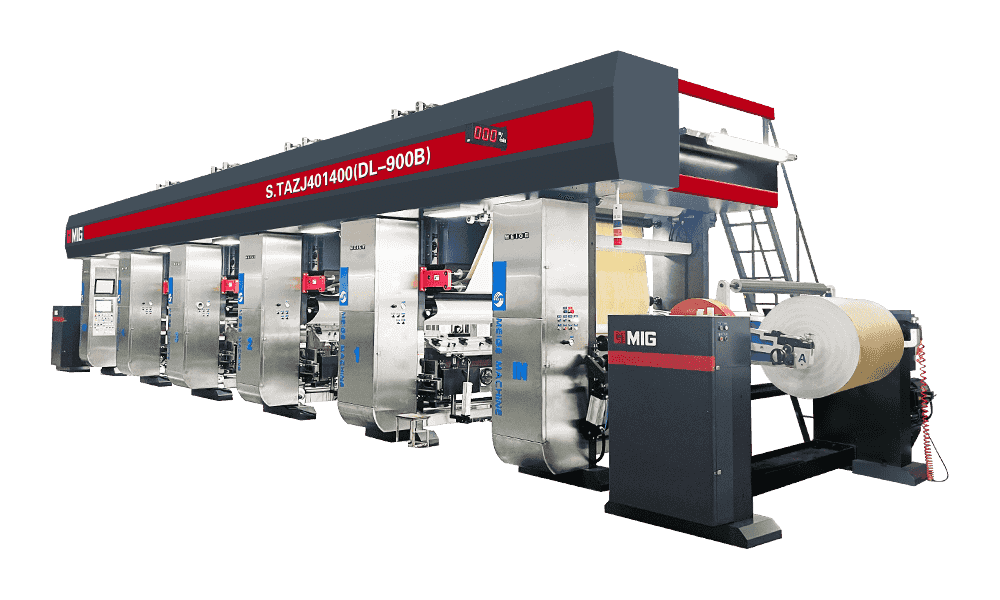
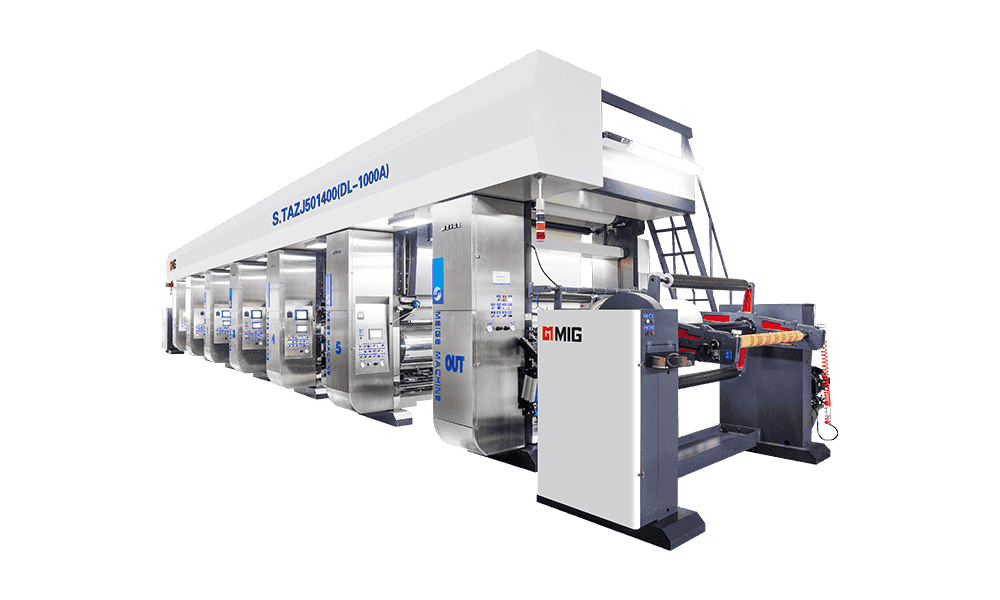
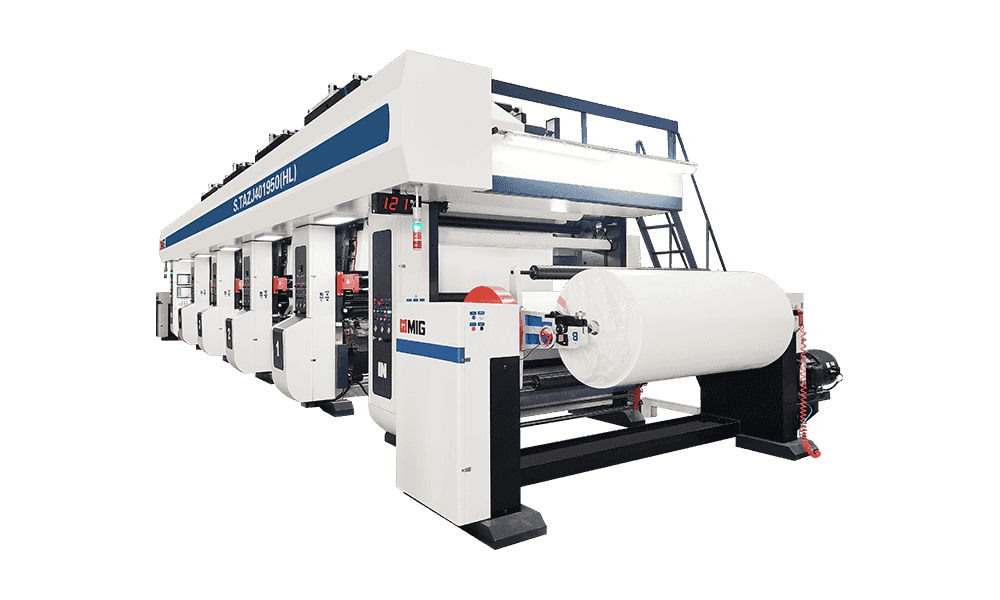
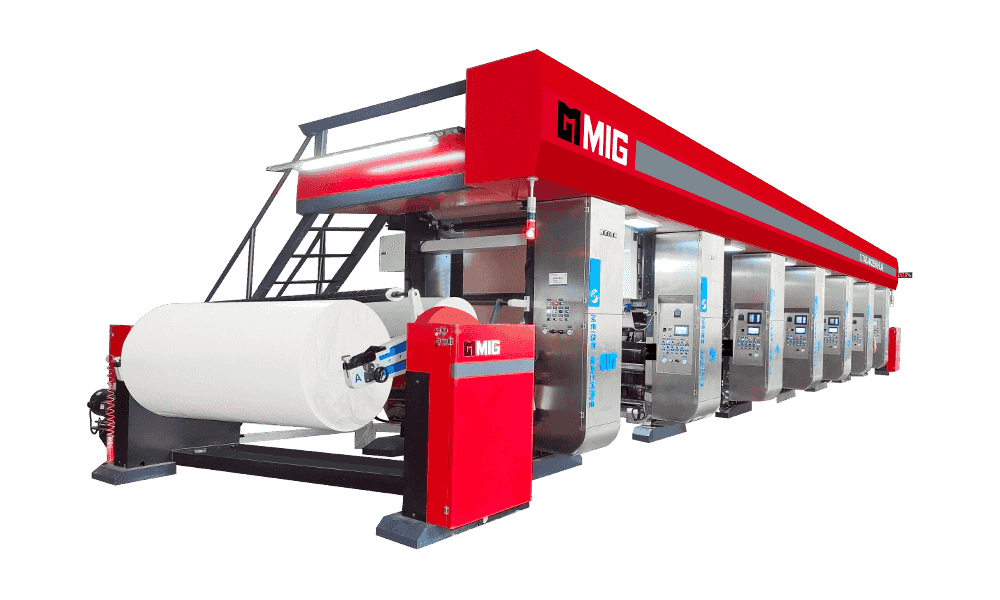
The variety of models, to meet the development needs of various regions in the world.
Message Us Right Now!
Quick Links
Products
Contact Us
- Phone: +86-13067738802 (Manager Hua)
- Tel: +86-0571-61071715
- Fax: +86-0571-61071706
- Mail: [email protected]
- Add: No.32 Wujiatou, Qingke Village, Jincheng Street, Lin'an District, Hangzhou City, Zhejiang Province

Copyright © Zhejiang Meige Machinery Technology Co., Ltd. All rights reserved.
 Privacy Rotogravure Printing Machine Manufacturers