English
 中文简体
中文简体 русский
 فارسی
فارسی عربى
عربى Deutsch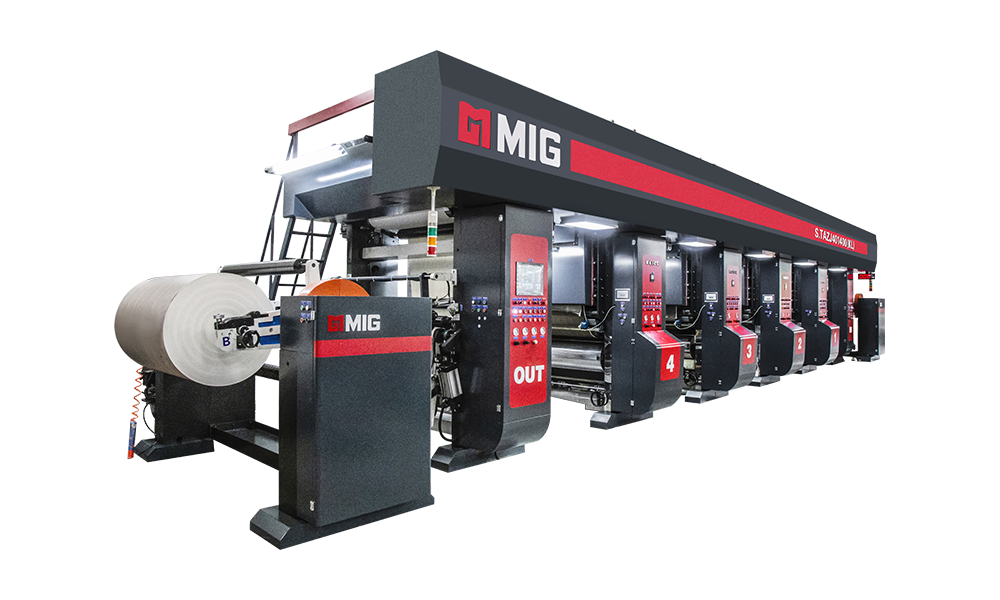
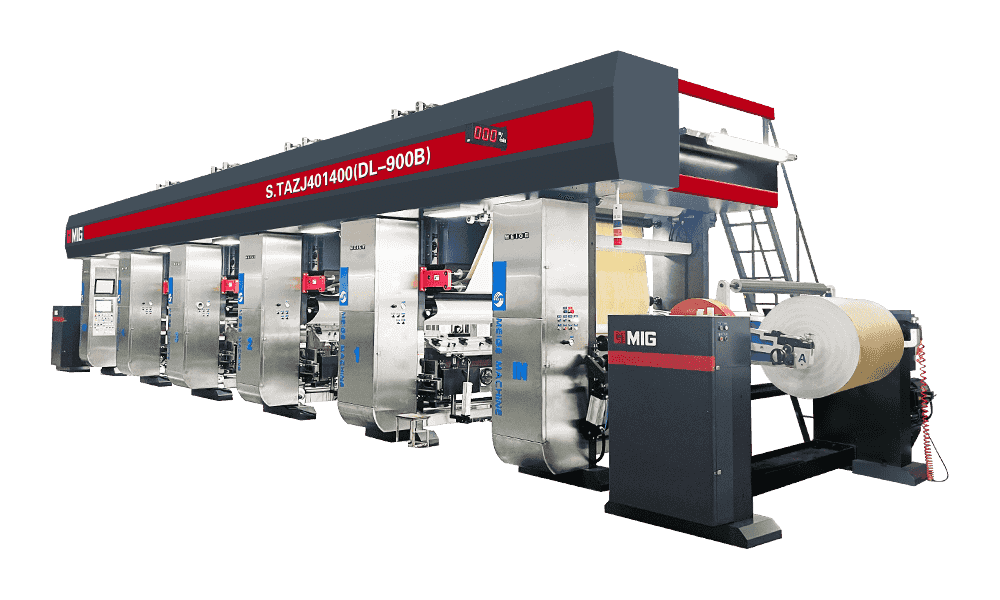
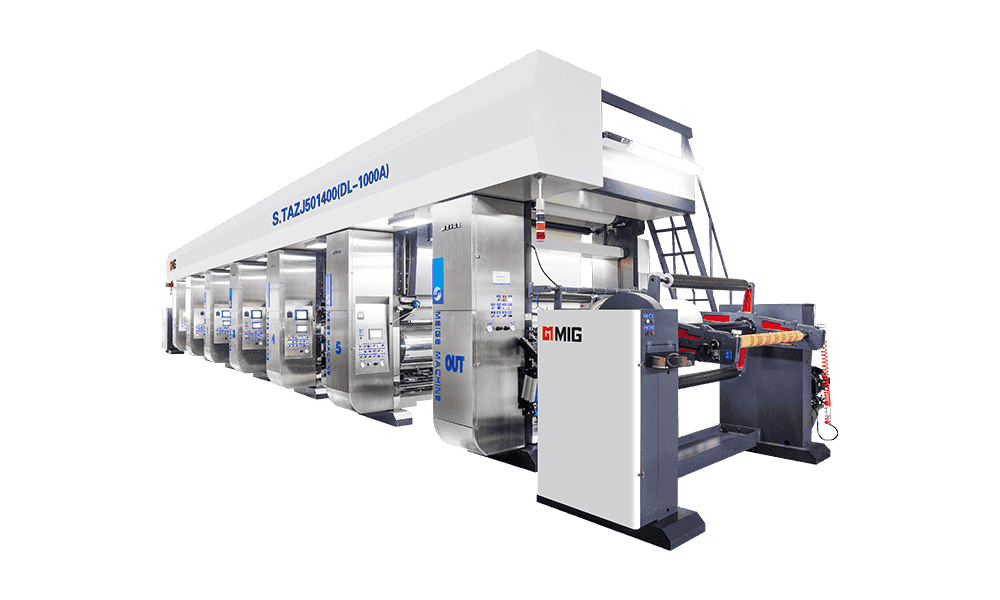
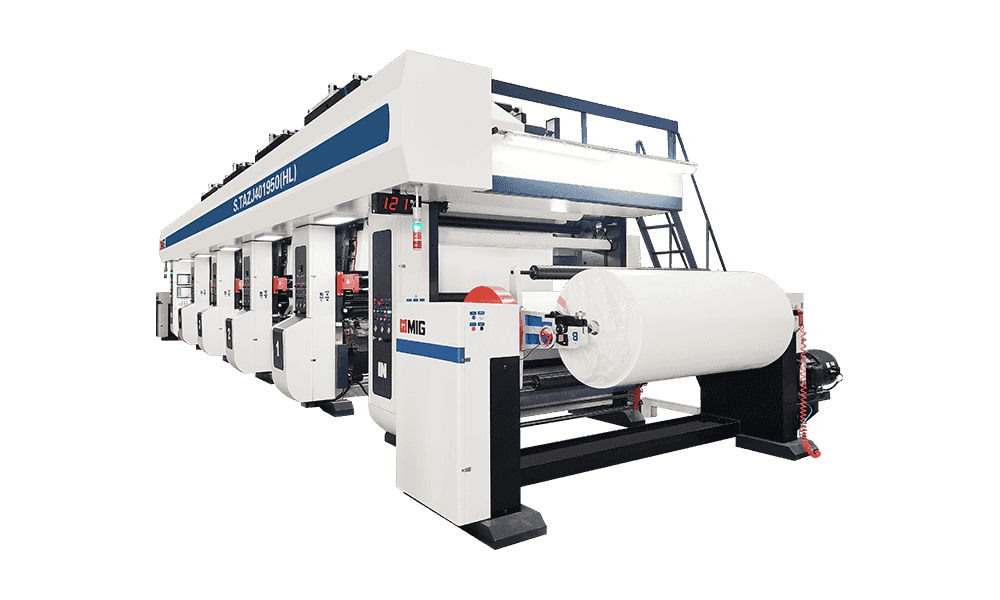
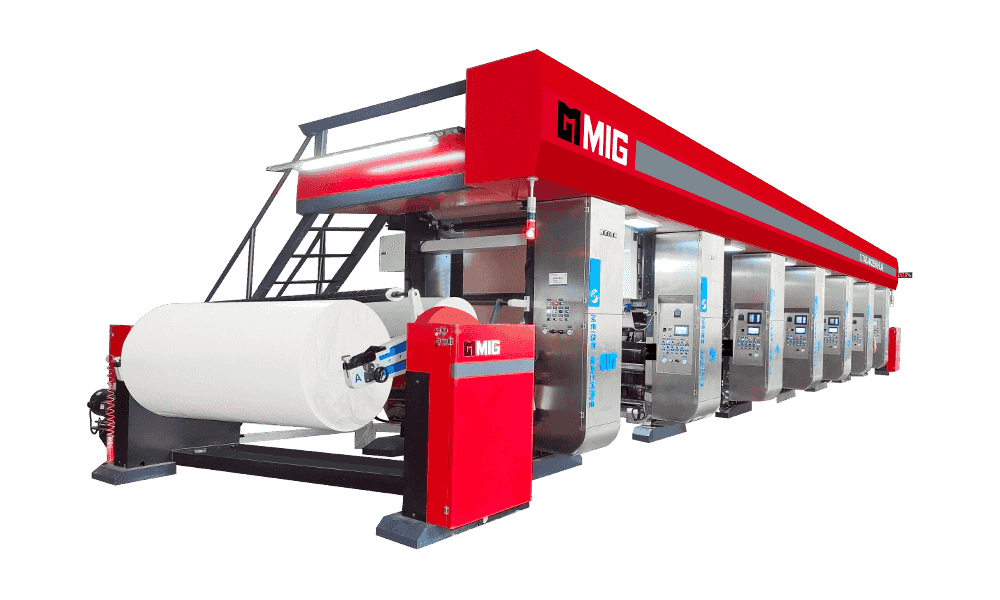
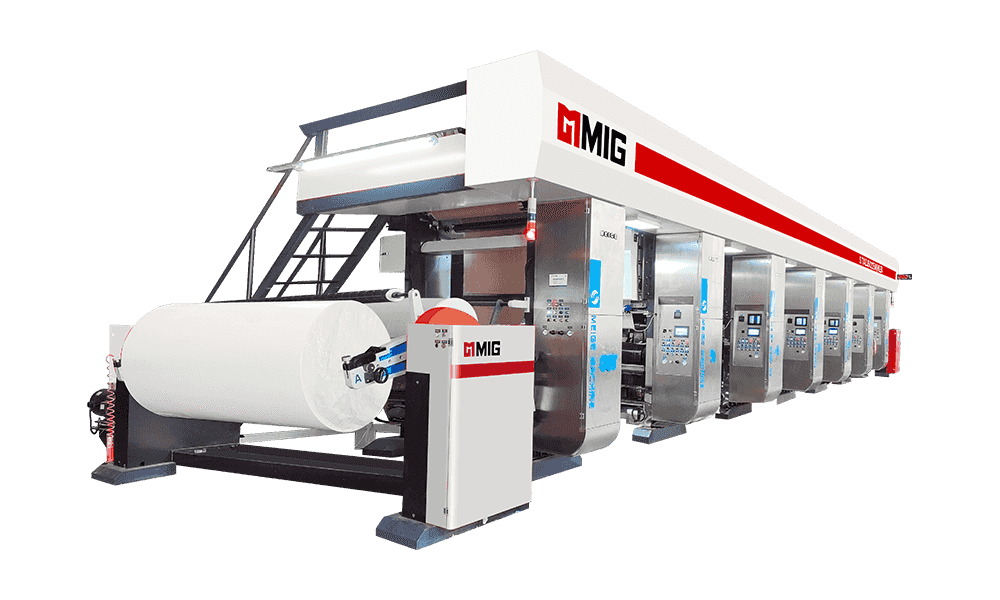
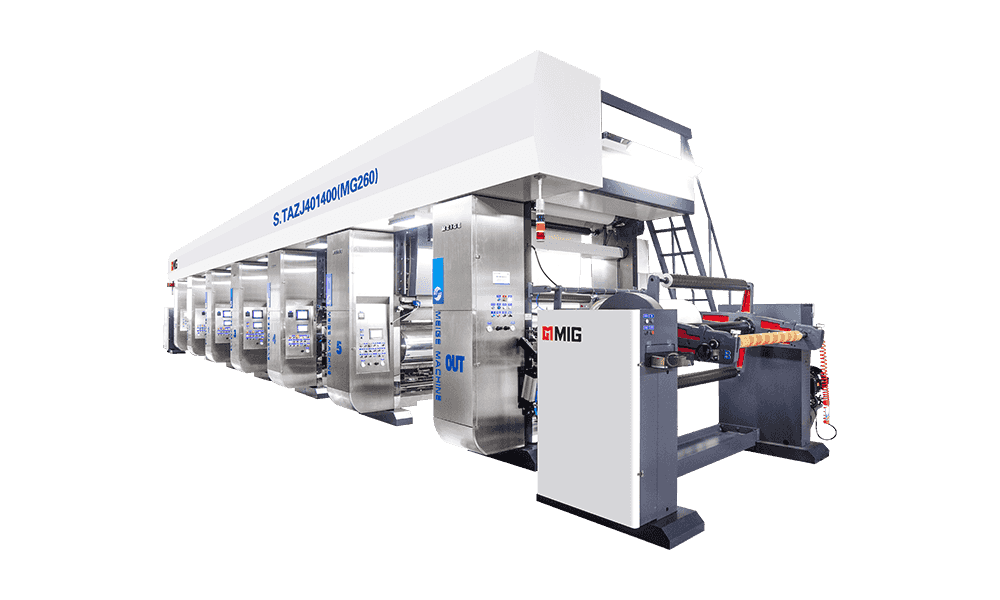
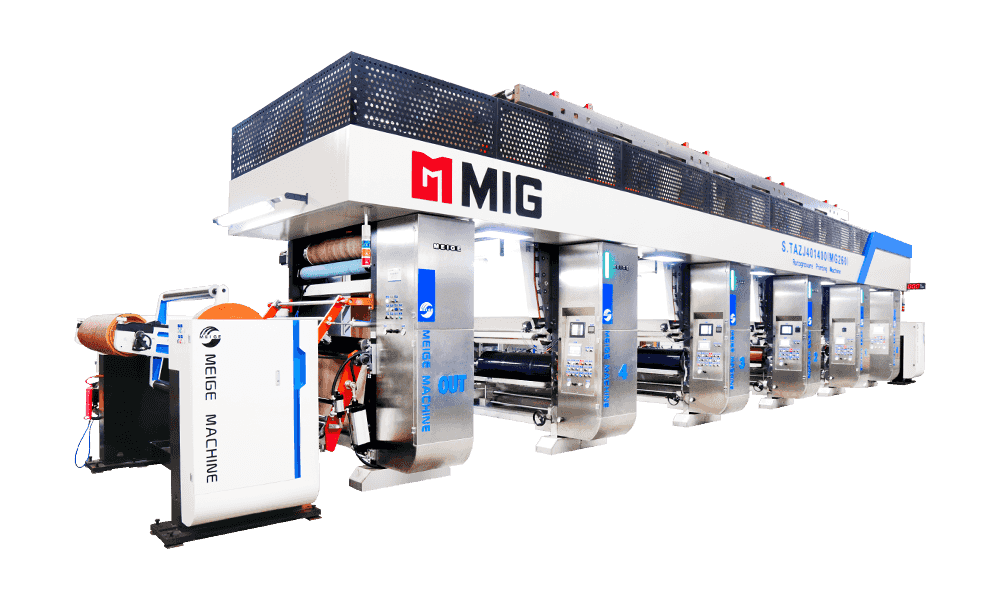
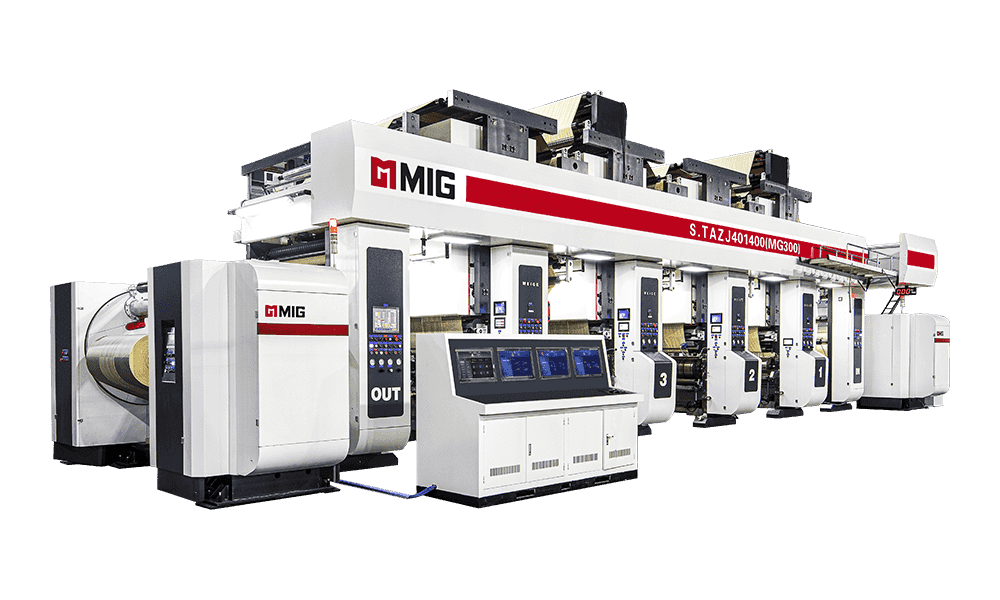
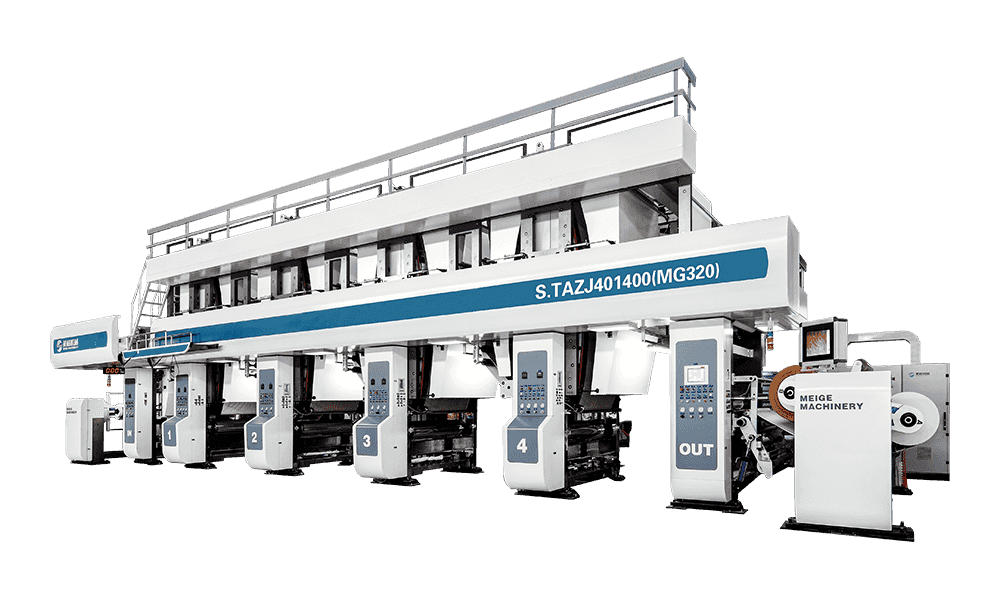
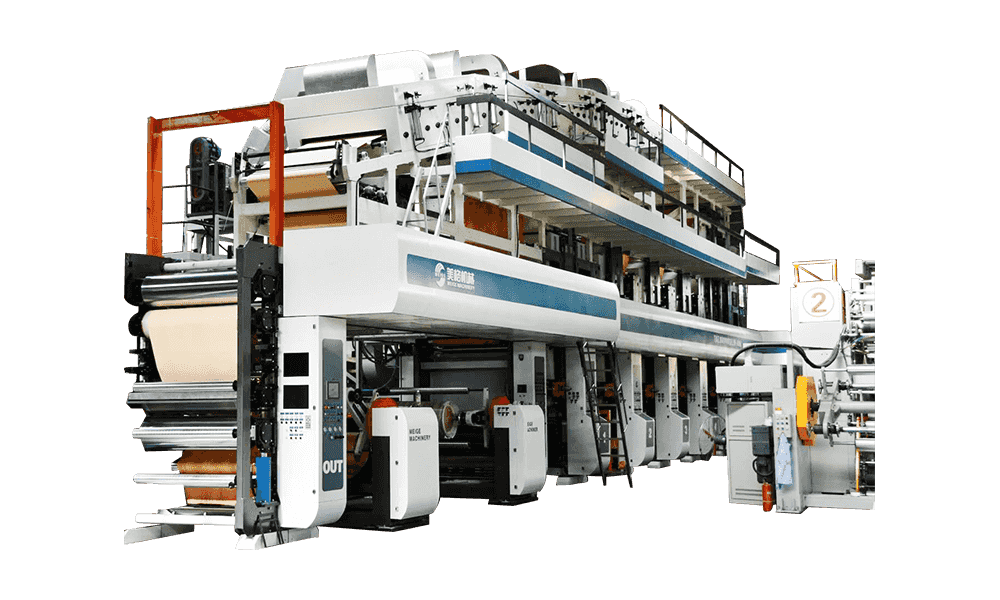
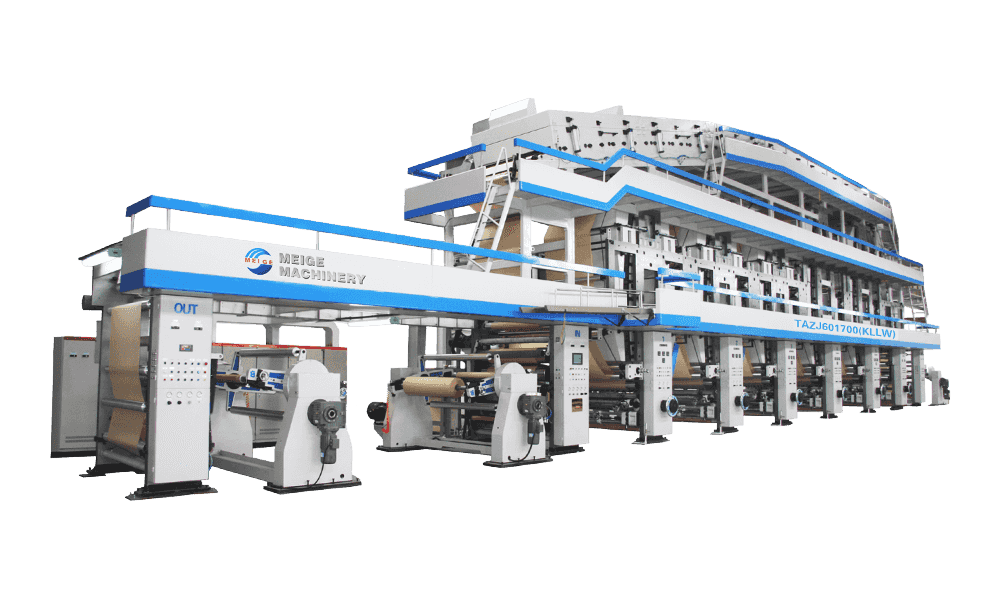
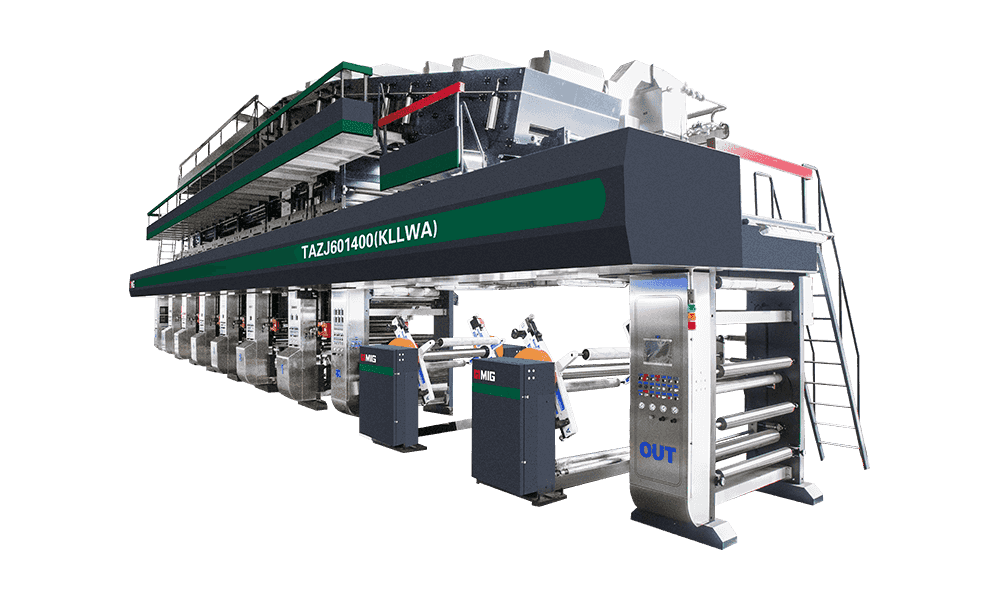
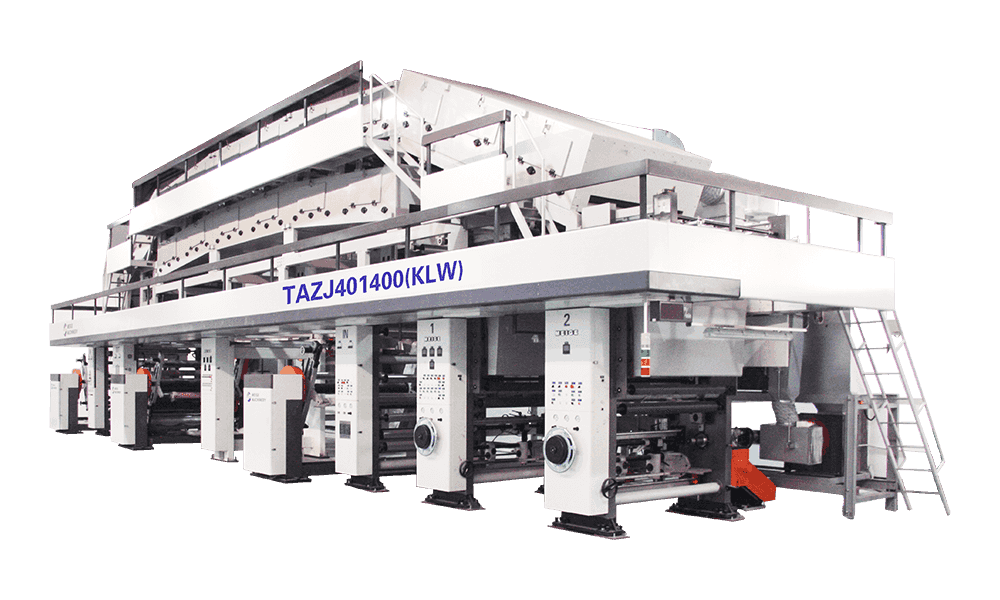
Specification
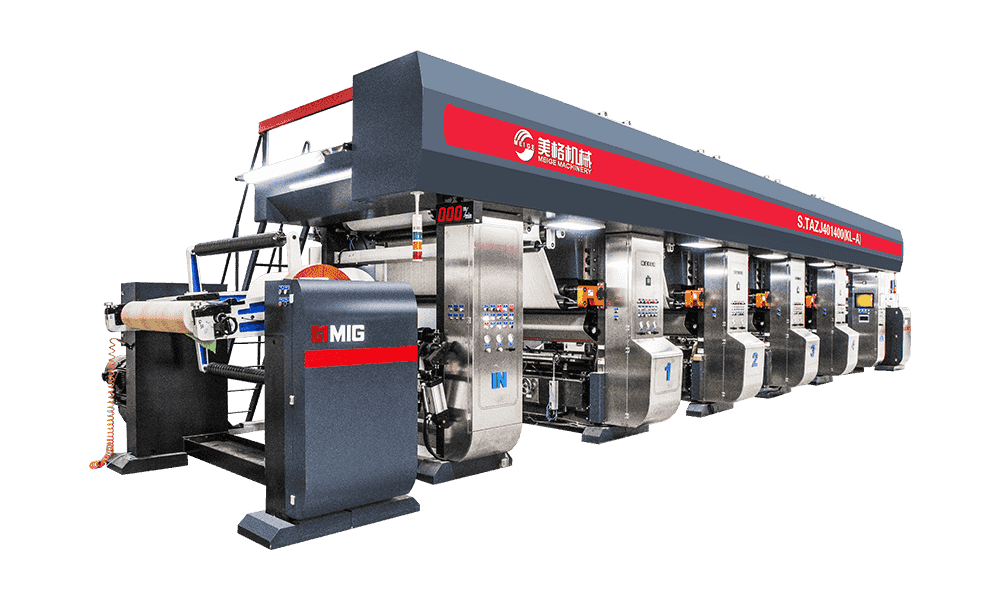
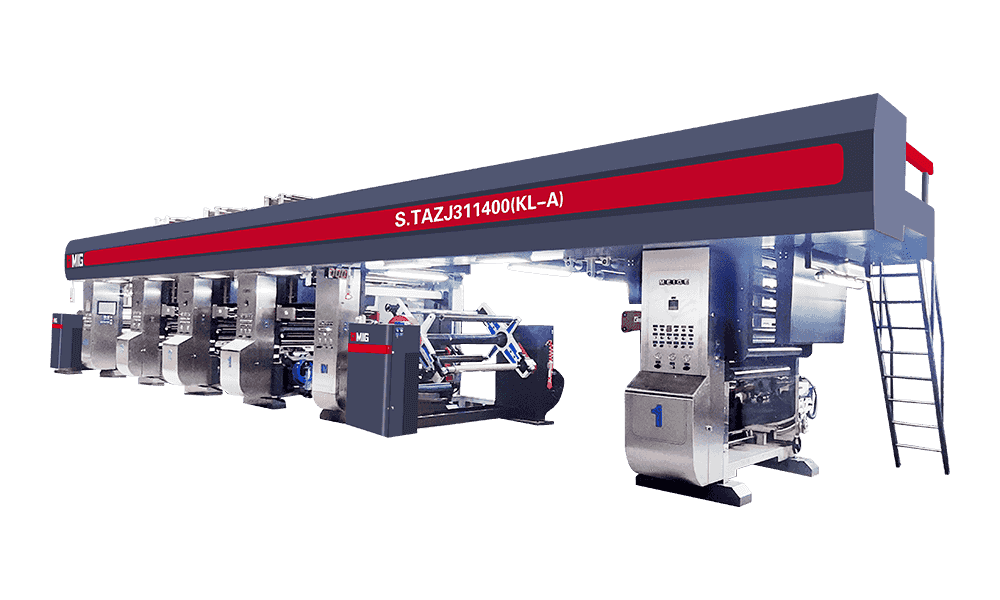
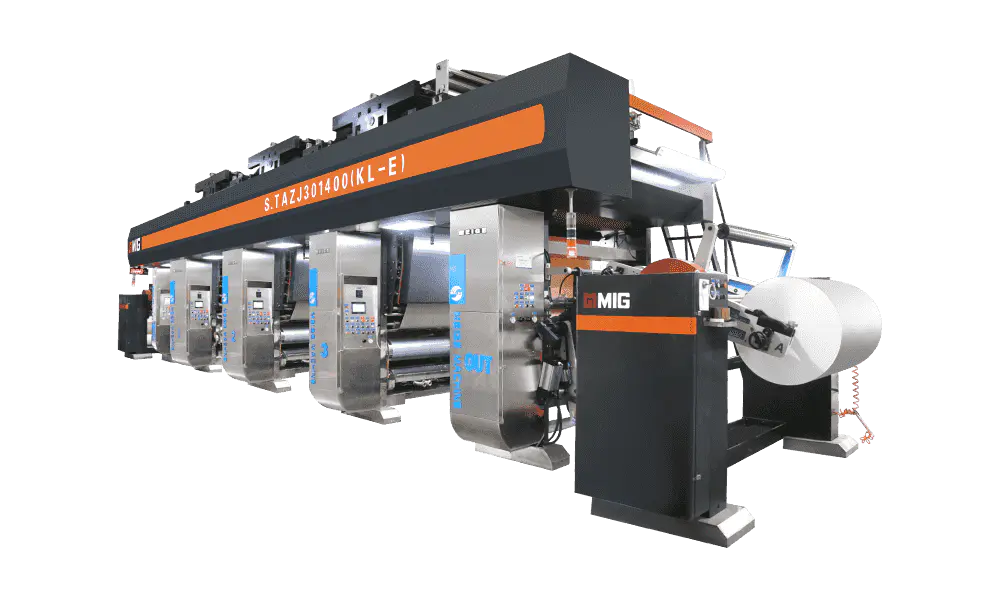
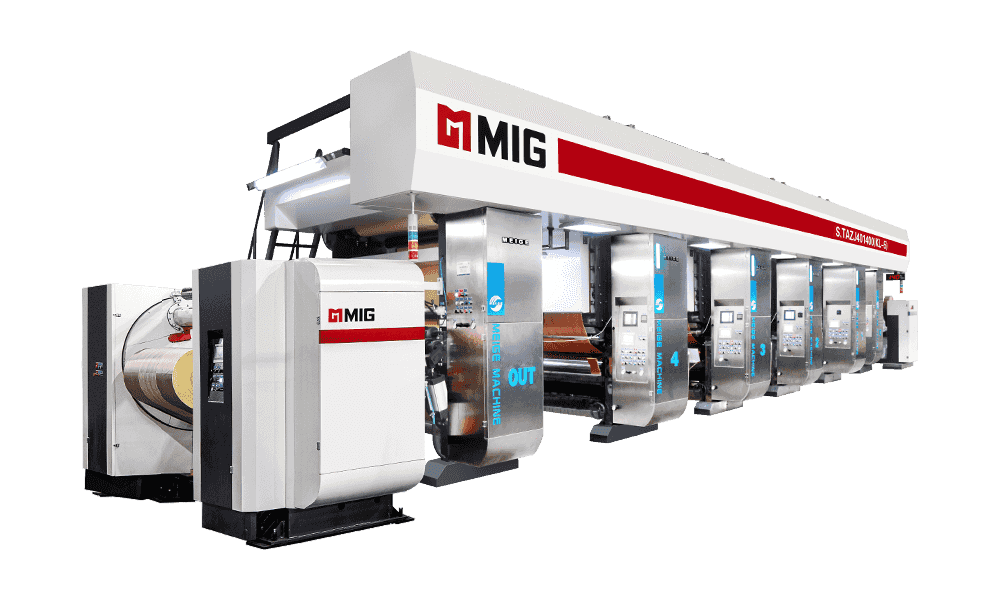
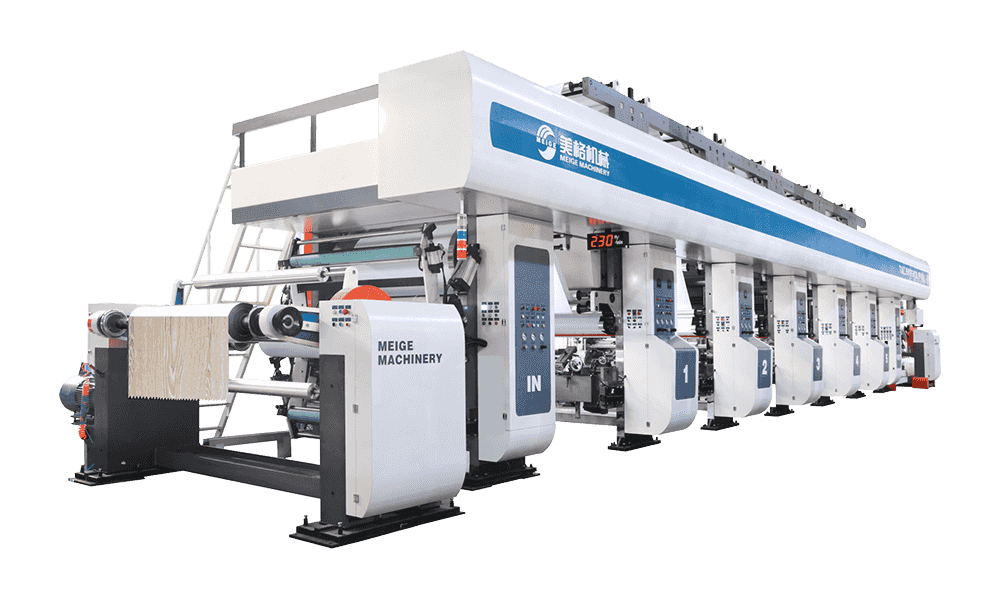
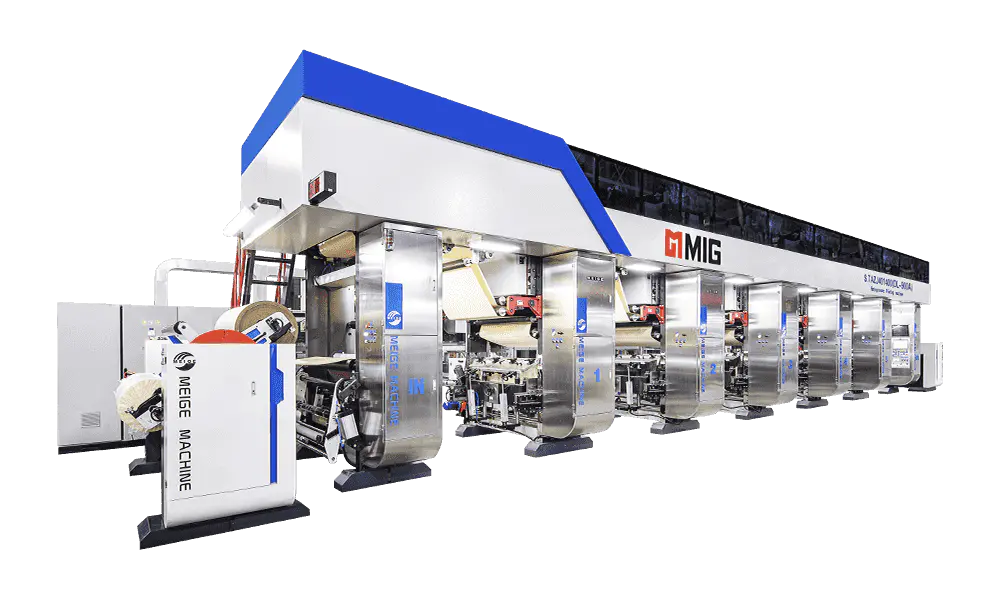
| Print Process | Rotogravure (primary); optional inline flexo unit for spot or ground coat |
| Web Width | 1,050 mm / 1,280 mm / 1,600 mm |
| Color Stations | 6 / 8 / 10 |
| Print Speed | 40 – 180 m/min |
| Register Accuracy | ± 0.1 mm (ELS servo) |
| Substrate Range | Decorative paper 60–120 g/m²; wallpaper 80–220 g/m²; non-woven 60–180 g/m²; vinyl-coated paper |
| Cylinder Repeat Range | 300 – 1,000 mm (covers both short-repeat décor and long-repeat wallpaper) |
| Ink System | Water-based gravure; exchangeable ink pans for wallpaper vs décor ink viscosity ranges |
| Drying System | Multi-zone; individually switchable zones for wallpaper (high moisture load) vs décor paper (lower moisture, precision residual) |
| Tension Range | 15 – 300 N (full range covers lightweight décor tissue to heavy non-woven wallpaper) |
| Unwind / Rewind | Ø 1,200 mm; auto-tension; motorised lateral guide |
| Control System | Siemens PLC + HMI; ≥ 500 recipe storage for both product types |
| Certification | CE, ISO 9001:2015 |
Application
- Residential wallpaper production — wood grain, stone, botanical, and geometric pattern wallpapers on paper, non-woven, and vinyl-coated substrates for retail interior decoration markets.
- Commercial wallcovering — heavy-duty non-woven and vinyl wallcovering for hospitality, healthcare, and office environments requiring Type II abrasion ratings.
- Furniture décor paper — wood grain and solid colour overlay papers for particleboard and MDF furniture, produced on the same press between wallpaper campaigns.
- Flooring décor paper — laminate and LPL flooring overlay papers sharing print infrastructure with the wallpaper product line.
- Border and coordinating panels — shorter-run wallpaper borders and coordinating fabric-effect panels requiring the pattern flexibility of a recipe-driven press.
- Architectural surface film — PVC and non-woven decorator films for retail display and temporary interior surfaces sharing production time with paper-based products.
Advantages
- Press utilisation across two market cycles — wallpaper demand peaks in spring/autumn decorating seasons while furniture décor paper follows construction and furniture manufacturing cycles; a hybrid press smooths utilisation curves across the year, improving return on capital investment.
- Wide cylinder repeat range — 300–1,000 mm cylinder circumference covers both short-repeat furniture décor patterns and the longer architectural repeat lengths typical of residential wallpaper designs, without hardware limitation on either end.
- Non-woven substrate capability — the tension system's low-end range (15 N minimum) and roller nip pressure settings accommodate dimensionally sensitive non-woven wallpaper substrates that would tear or deform on presses designed only for paper.
- Recipe-driven substrate changeover — switching from wallpaper to decorative paper production involves a recipe recall rather than a mechanical reconfiguration; tension, drying, speed, and register parameters are stored separately for each substrate type and recalled in under 2 minutes.
- Single inventory for shared consumables — both product types use water-based gravure inks with compatible chemistry, enabling shared ink inventory management and reducing the complexity of raw material procurement.