
 English
 中文简体
中文简体 русский
 فارسی
فارسی عربى
عربى Deutsch
Gravure Printing Machine Guide: How Rotogravure Presses Work and What to Choose
A gravure printing machine, often called a rotogravure press, sits behind surfaces people touch every day: the wood grain on a laminate floor, the pattern on a cabinet panel, the finish on a PVC film, the print on a textile transfer paper. At Zhejiang Meige Machinery Technology, our team has been building and refining these presses in Hangzhou since 1999, and the questions buyers bring to us are remarkably consistent. How does the process actually work? Which configuration fits a given material? What should be checked before committing to a new line? This guide answers those questions in plain, practical language.
Content
- 1 What a Gravure Printing Machine Does
- 2 The Core Components of a Gravure Press
- 3 How the Printing Process Runs, Step by Step
- 4 Reading a Machine Specification
- 5 Matching the Press to the Material
- 6 Automation Details That Decide Output
- 7 How to Evaluate a Machine Before You Buy
- 8 Operating Habits That Protect Print Quality
- 9 Questions Buyers Ask Most
What a Gravure Printing Machine Does
A gravure press transfers ink from a recessed image rather than a raised one. Every colour in the design is engraved into a copper-plated steel cylinder, so the image lives below the surface in thousands of tiny cells. As the cylinder turns through the ink bath, a doctor blade wipes the smooth surface clean and leaves ink only inside those cells. An impression roller then presses the web against the cylinder, and the ink is drawn out of the cells and onto the substrate.
Because the cells are cut to a fixed depth and area, the ink film stays consistent from the first metre of a run to the ten-thousandth. That consistency is the reason gravure remains the standard for long-run decorative printing: stable tone, dense solids, and fine line detail that survives close inspection on a finished panel or floor plank. Once the cylinders are made, the cost per printed metre drops quickly as volume rises, which is why the process suits continuous production rather than short batch work.
The Core Components of a Gravure Press
Although models differ in size and automation level, every gravure line is built around the same functional groups:
- Unwind and rewind units, which hold the parent roll and control web tension from start to finish.
- The printing cylinder and its shaft or shaftless mounting system.
- A doctor blade assembly, the component that decides how cleanly the non-image area is wiped.
- An impression roller, usually rubber covered, applying controlled pressure against the cylinder.
- An ink circulation system that keeps viscosity and pigment distribution steady across the run.
- Inter-station dryers that set each ink layer before the next colour is applied.
- Tension and web guiding equipment, which prevent register drift and wrinkles.
- Register control, whether manual or automatic, keeping each colour in exact position.
- Optional coating, laminating and embossing units when printing and finishing are combined.
How the Printing Process Runs, Step by Step
- Cylinders are prepared, checked for damage and mounted in the correct station sequence.
- Ink is pumped into each station and adjusted for viscosity and colour strength.
- The doctor blade wipes the cylinder surface, leaving ink only in the engraved cells.
- The impression roller presses the web against the rotating cylinder, transferring the image.
- Between stations, heated air dries the freshly printed layer so colours do not mix.
- Register is monitored and corrected so every colour lands in its intended position.
- The web leaves the last station and is rewound, then inspected or sent to the next process.
Reading a Machine Specification
Machine families look similar on a brochure page, but they are built for different materials and output targets. The table below groups the equipment we produce most often and lists the points worth confirming before an order is placed.
| Machine group | What it is built for | Points to confirm |
|---|---|---|
| Decorative paper presses (KL, DL, HL, MG, BL, CS, JS, CL, JL, EL series) | Wood grain and decorative paper for laminate flooring, furniture panels, HPL and melamine surfaces | Colour station count, cylinder diameter, drive type |
| PVC film presses (PL series) | PVC, PP and PET decorative film for interior surfaces | Web width, drying capacity, tension control |
| Transfer presses (GL series) | Textile transfer paper and film | Ink type, number of printing units |
| Printing, coating and embossing lines (LLW series) | Impregnated paper, PU coating, integrated finishing | Which processes to combine in one pass |
| Auxiliary equipment | Cylinder washing, cylinder storage, inspection rewinding, sample pressing, ink mixing, AGV logistics | Automation level and available floor space |
Matching the Press to the Material
Decorative paper and wood grain
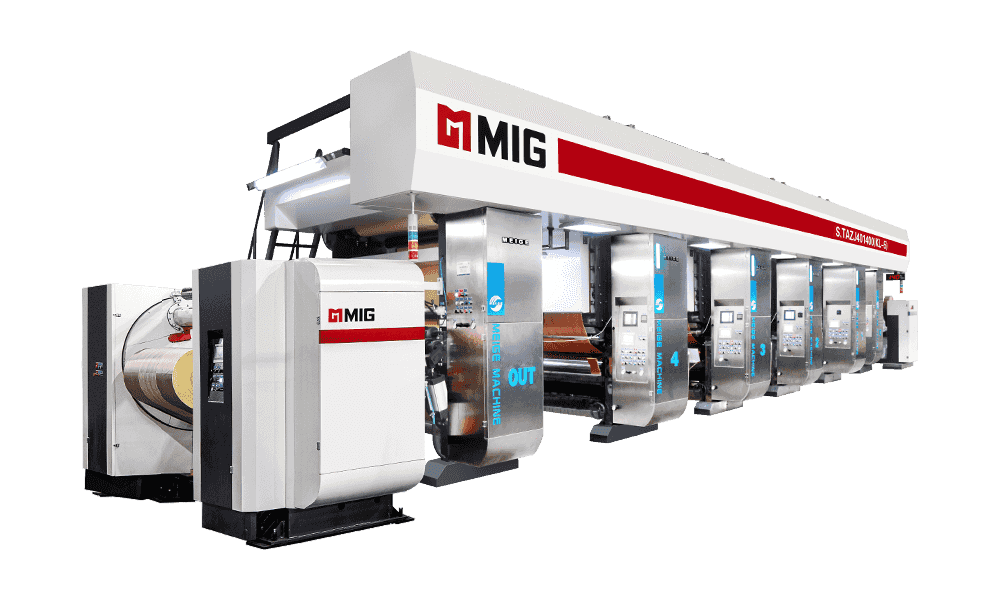
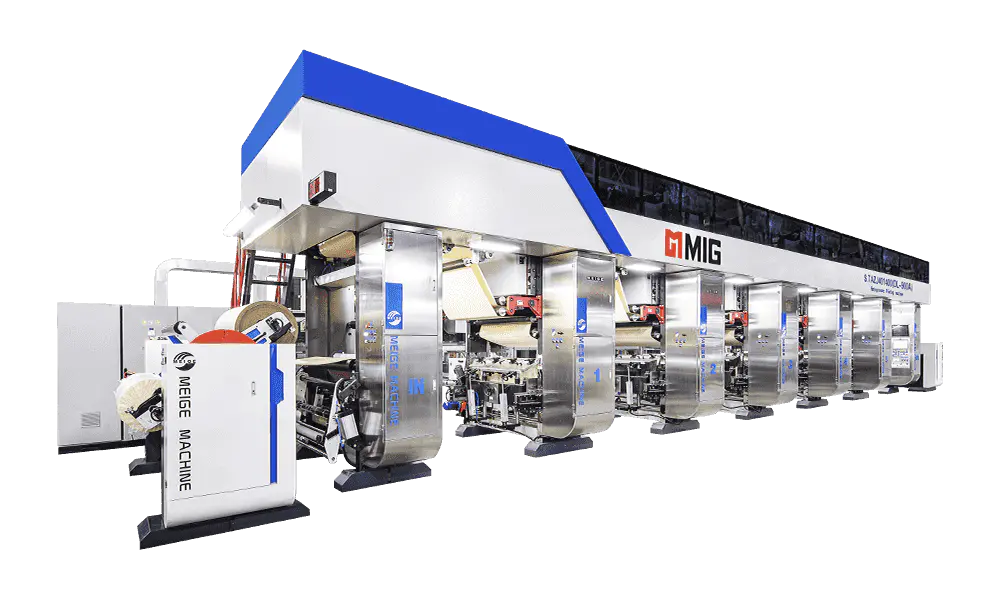
Decorative paper is the application most people picture when they hear the term gravure printing machine. Wood grain designs demand accurate reproduction of fine pores, subtle shading and long repeating patterns, and they are usually printed at widths that later match a flooring or furniture press line. Our KL, DL, HL and MG series cover different cylinder diameters, colour counts and speed classes, while the BL, CS, JS, CL, JL and EL families extend the same platform with electronic shaft or mechanical drive options. Buyers who care most about texture fidelity usually spend their time on cylinder engraving and register control, which is where our approach to high precision wood texture reproduction becomes relevant.
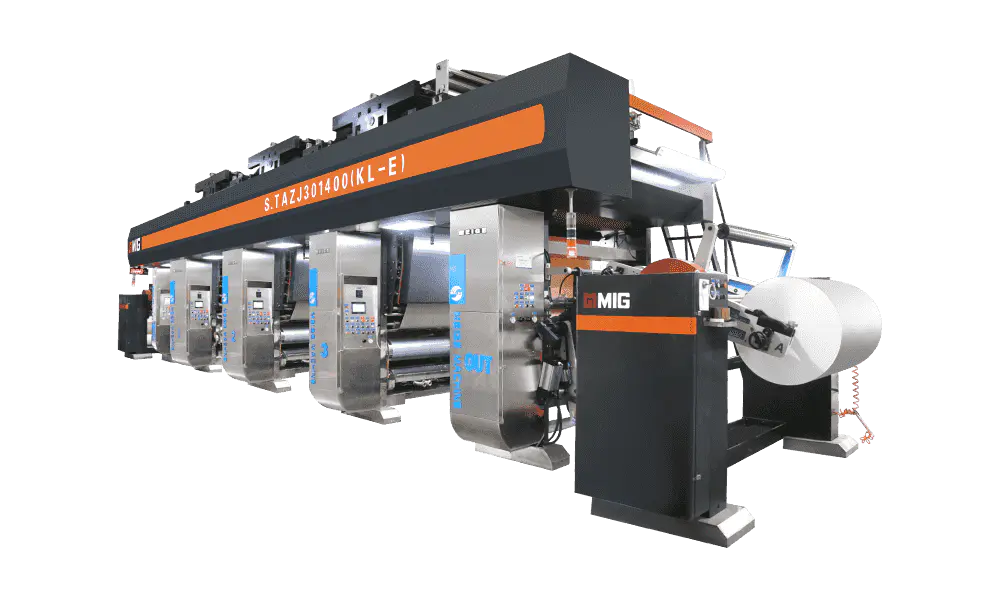
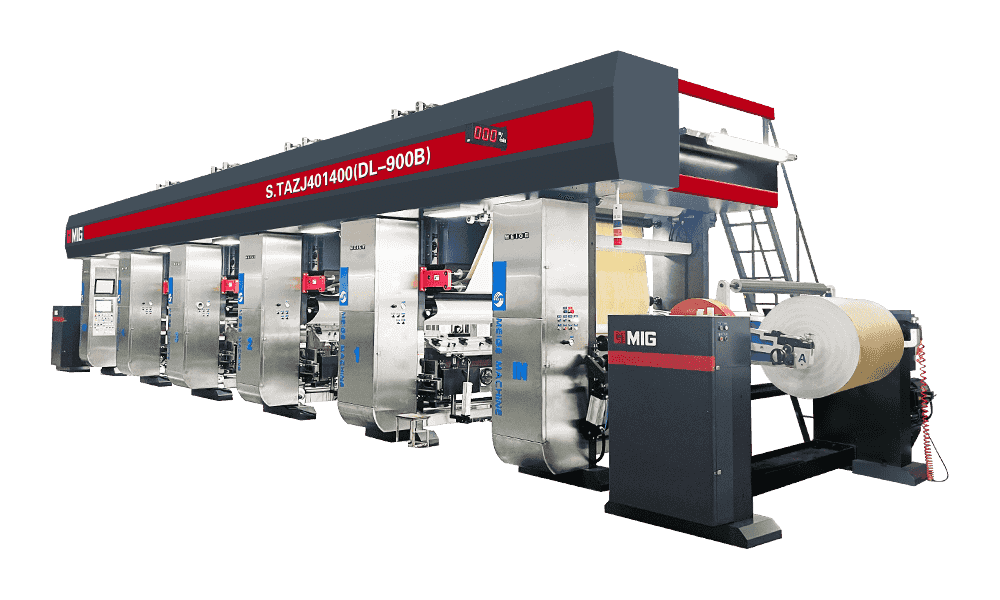
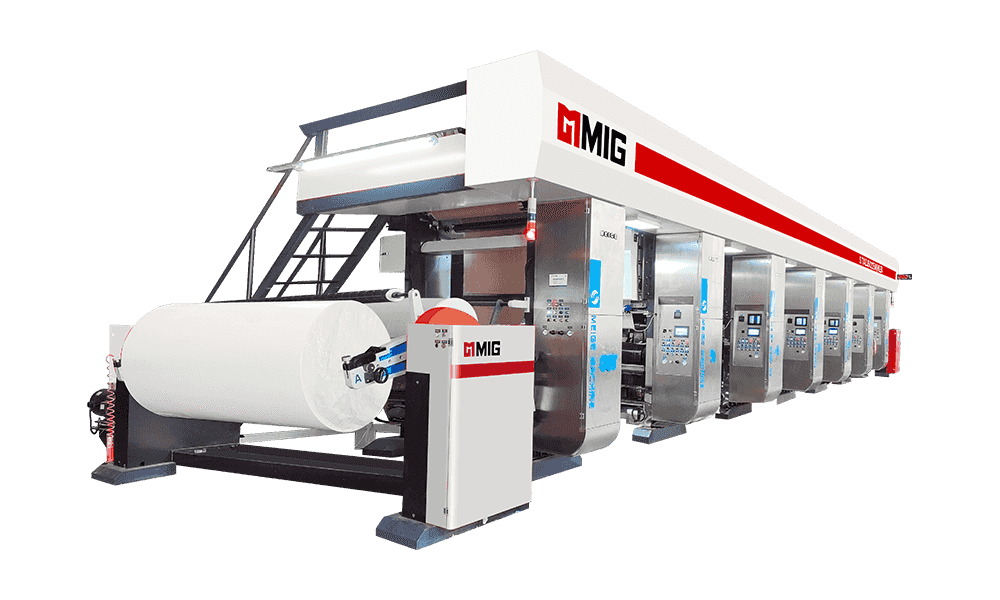
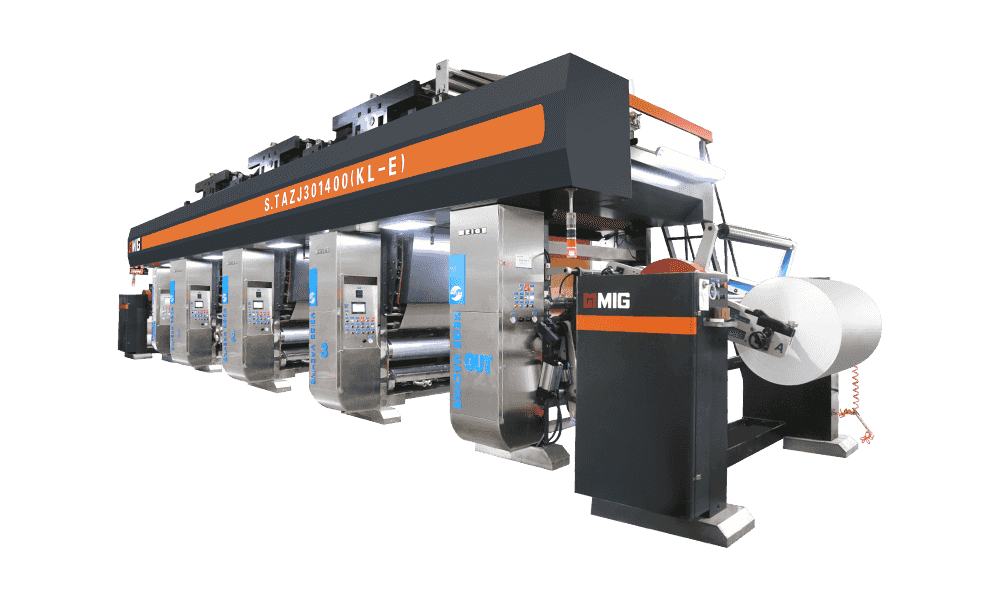 S.TAZJ401400 (KL-E) 4-Foot Medium-High Speed ELS-Type Gravure Printing Machine for EngineeIn 2022, we innovatively developed a high-end plain paper coating printing machine with a black and yellow appearance.View Product →
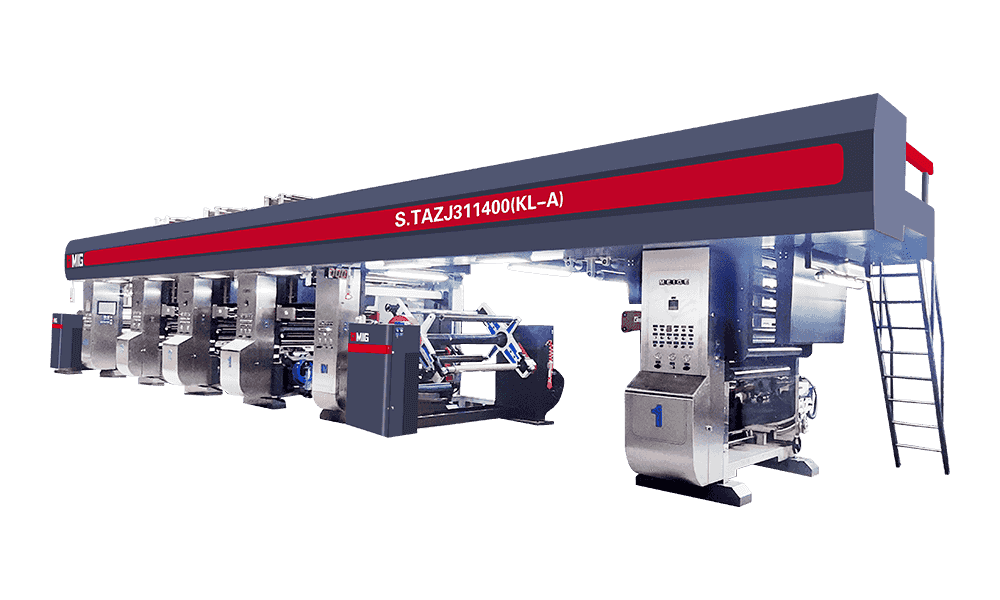
The KL series units, for example, are medium-to-high speed electronic shaft presses that suit plants printing decorative paper across 4 to 4.5 foot working widths.
PVC decorative film
Film printing introduces its own problems: the substrate stretches, static builds up, and the ink must anchor to a non-porous surface. Tension control and dryer design matter more here than raw speed, and presses built for film usually run with wider web handling equipment and gentler tension zones. Our PL series has been developed for exactly this job, and the wider picture of how film decoration is produced is covered in our notes on PVC decorative film printing machines.
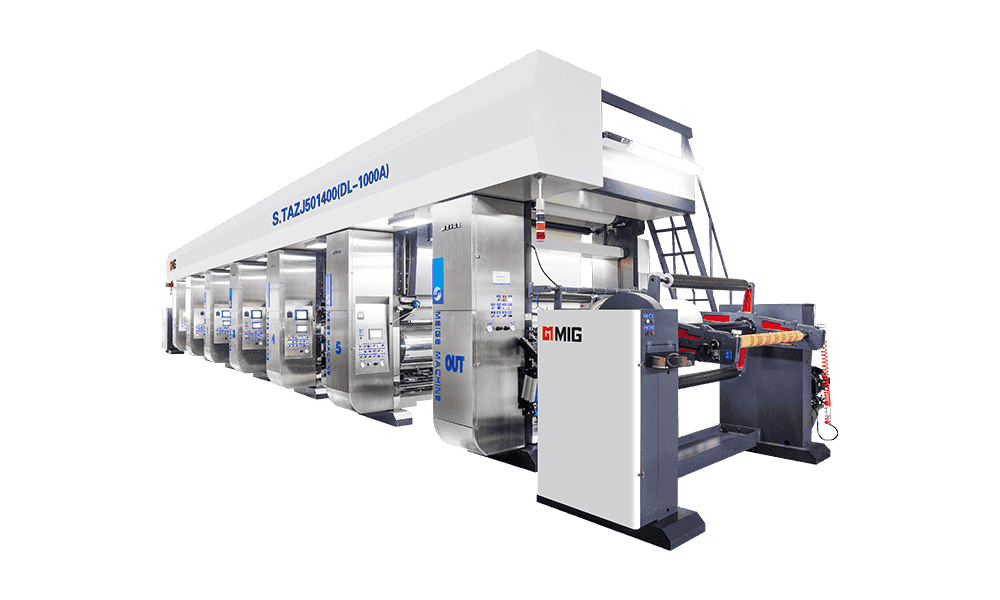
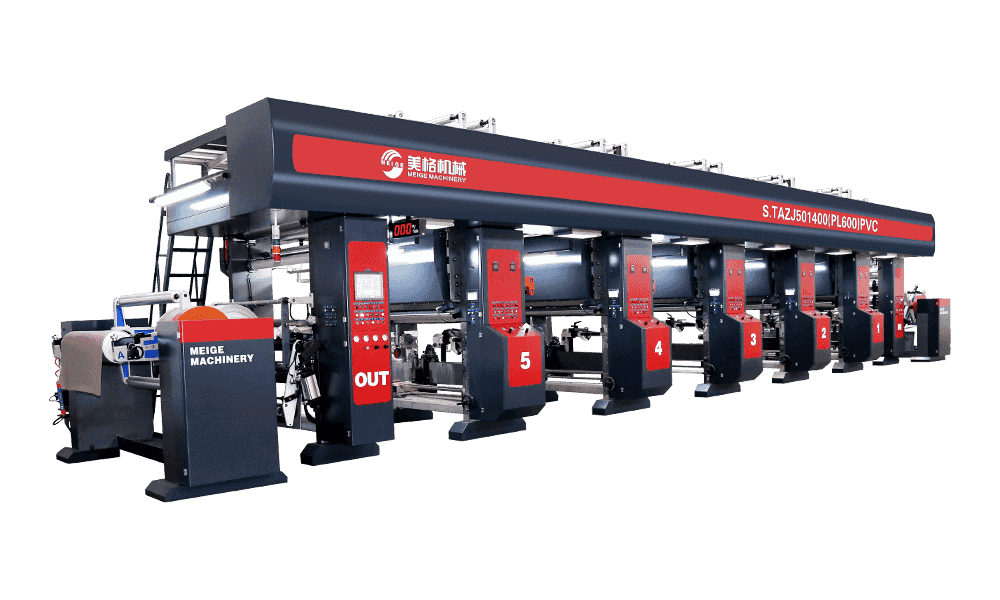 S.TAZJ501400 (PL600) 4-Foot High Speed ELS-Type PVC Gravure Printing Machine for EngineereThis model is specifically designed for PVC film large unit printing machines.View Product →
A high speed electronic shaft press such as the PL600 is a common starting point for makers of decorative film who need stable registration across long runs.
Transfer paper and film
Transfer printing moves the image onto textile or other surfaces in a second step, so the printed layer has to release cleanly and evenly. Formulations differ, and some plants print with oil based inks while others have shifted to water based systems for environmental reasons. The GL series is configured for both, with multi-unit arrangements available when a design needs more colours or extra coating.
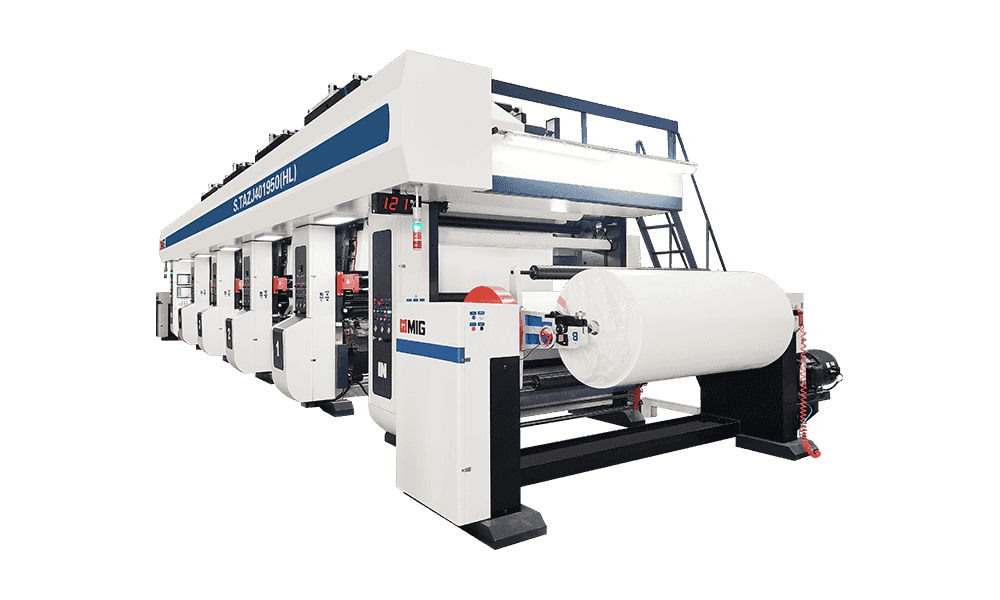
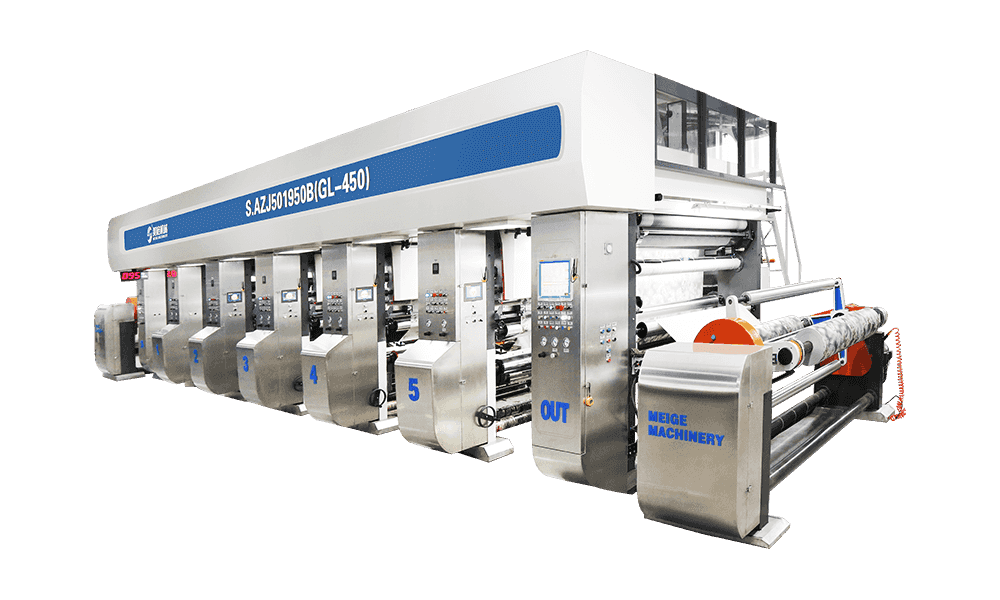 S.TAZJ501950 (GL-450) Textile Transfer Paper (Film) Gravure Printing Machine Suitable for High speed transfer paper (film) gravure printing machine for textiles.View Product →
Automation Details That Decide Output
Two presses with identical colour counts can perform very differently depending on how their motion and drying systems are engineered. Electronic shaft drive replaces the mechanical line shaft with independent servo motors on each station, which shortens changeover, reduces waste during startup and makes register correction faster. Automatic register systems read marks on the web and adjust cylinder position without operator intervention. Drying capacity determines how fast the machine can run before ink fails to set, and it must be matched to the ink system, the web width and the number of colours. Tension control, meanwhile, is what keeps print length accurate across a full roll, particularly with thin films and light decorative papers. When these four areas are properly matched, speed and quality stop competing with each other.
How to Evaluate a Machine Before You Buy
- Confirm the substrate, its thickness and its maximum and minimum widths.
- Count the colours in the most demanding design you expect to sell.
- Decide the cylinder diameter range, since large diameters reduce change frequency on long repeats.
- Check the ink chemistry you intend to use and the drying system required for it.
- Ask how changeover and cleaning are handled, because downtime is the real cost driver.
- Review the auxiliary equipment needed around the press, from cylinder washing to inspection rewinding.
- Visit a plant running comparable work and watch a full changeover, not just a steady-state demo.
Operating Habits That Protect Print Quality
- Keep doctor blades within their service life and replace them on a schedule rather than on failure.
- Record ink viscosity at fixed intervals; small drifts show up as colour variation across a roll.
- Clean cylinders and dryers regularly so dried ink does not distort cell volume.
- Verify tension settings whenever you switch to a different substrate or web width.
- Store cylinders properly to avoid surface damage that shortens their working life.
Questions Buyers Ask Most
How many colour stations do I need?
Look at your most complex design rather than your average one. Many decorative paper producers settle between four and seven stations depending on whether the pattern needs extra tone work or coating. Buying one station fewer than your best-selling design requires is the most common and most expensive mistake.
Can a gravure press run water based inks?
Yes, provided the drying system and cylinder engraving are matched to the ink. Water based formulations behave differently from solvent ones in terms of evaporation and transfer, so retrofitting an existing press requires more than a simple ink change.
Should printing and coating be separate machines?
That depends on your process flow and volume. Combining printing, coating and embossing into one line saves handling and floor space, while separate units give more flexibility when you frequently change products or run low volumes of particular finishes.
Choosing a gravure printing machine is ultimately a decision about the products you intend to sell for the next decade. Decorative paper, PVC film and transfer paper each place different demands on the cylinder, the dryer, the tension system and the drive, and a press that is excellent for one may be merely adequate for another. Our own product range has grown along those three branches, supported by cylinder washing and storage systems, inspection rewinding machines, sample presses, ink mixers and factory logistics equipment, so that a complete line can be planned rather than assembled piece by piece.
If you are evaluating a new press or upgrading an existing line, the most useful conversation starts with your material, your width and your design. Bring us those details, and we will help you work out which configuration genuinely fits the way your plant runs.
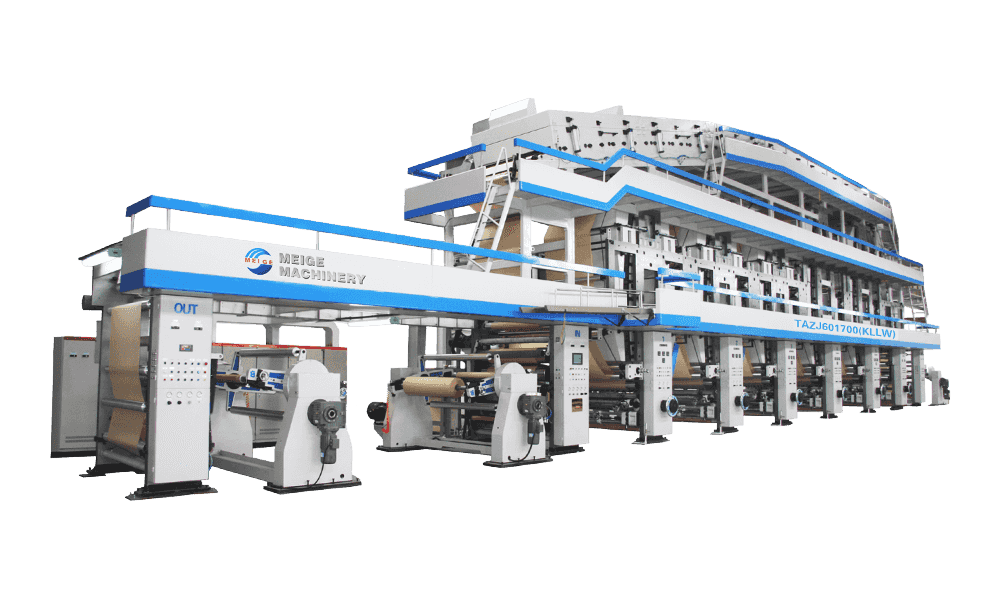
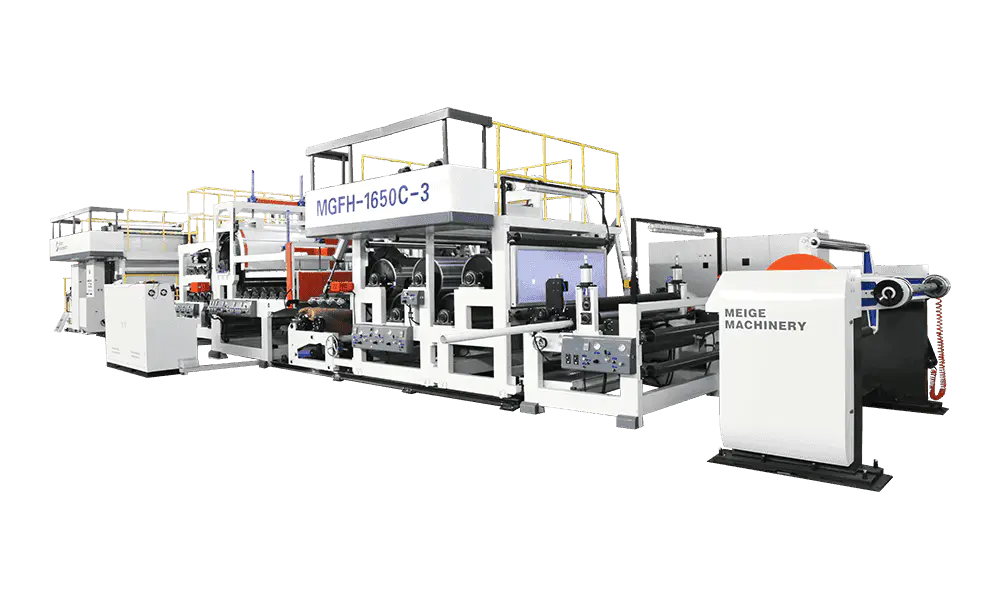
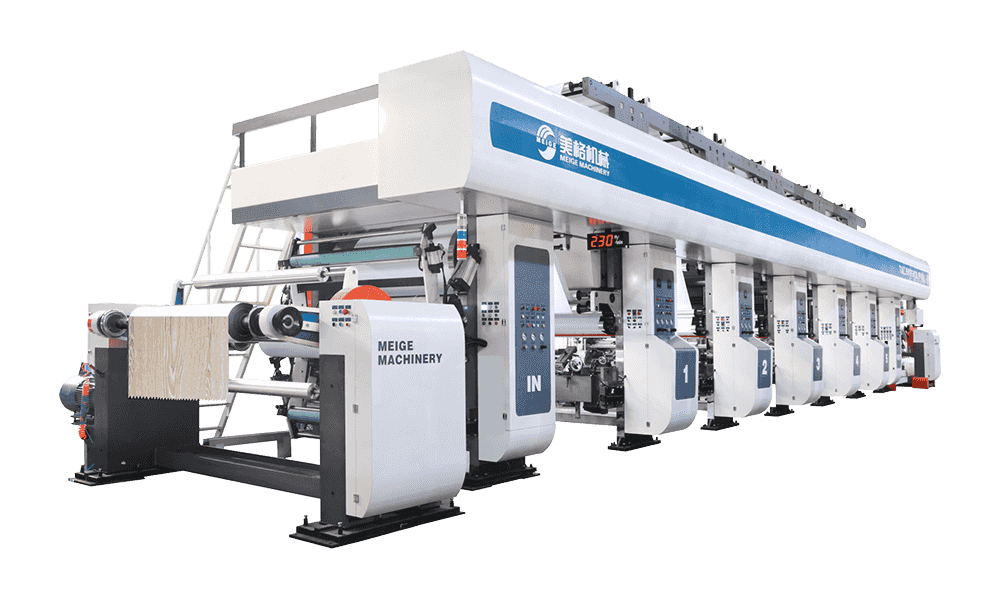
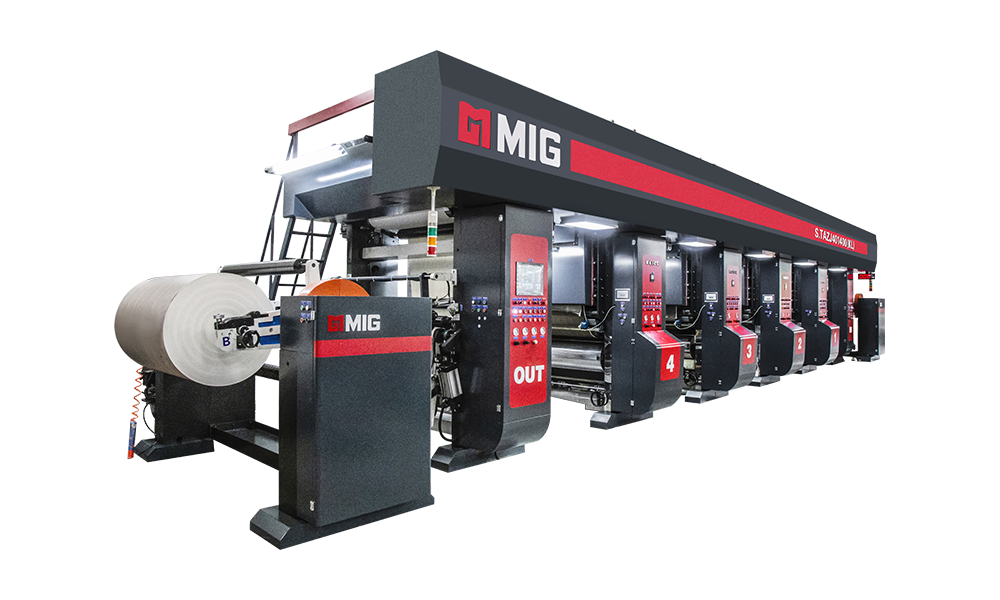
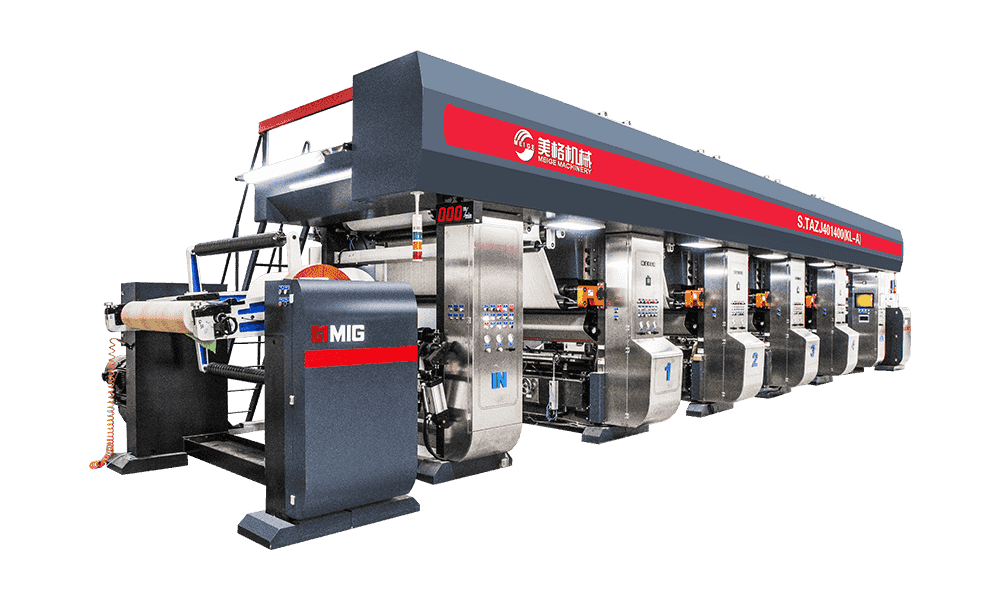
Recommended Products
The variety of models, to meet the development needs of various regions in the world.
Message Us Right Now!
Quick Links
Products
Contact Us
- Phone: +86-13067738802 (Manager Hua)
- Tel: +86-0571-61071715
- Fax: +86-0571-61071706
- Mail: [email protected]
- Add: No.32 Wujiatou, Qingke Village, Jincheng Street, Lin'an District, Hangzhou City, Zhejiang Province

Copyright © Zhejiang Meige Machinery Technology Co., Ltd. All rights reserved.
 Privacy Rotogravure Printing Machine Manufacturers