
 English
 中文简体
中文简体 русский
 فارسی
فارسی عربى
عربى Deutsch
High Speed PP Film Printer: Configuration, Speed and Line Planning Guide
Ask anyone who runs a decorative film line what they want from a high speed PP film printer and the answer is rarely more metres per minute. What they want is more saleable metres per shift. Polypropylene film is light, elastic and unforgiving: it will run fast happily enough, but it will also stretch, wrinkle and drift out of register the moment tension, drying or web guidance goes off balance. Zhejiang Meige Machinery has been building gravure platforms for decorative substrates since 1999, and PP-based decoration film sits alongside PVC and PET as one of the material families our equipment has grown up around. What follows is a practical look at what a high speed PP film printer has to get right, and how to specify one that still runs cleanly in its fifth year.
Content
- 1 What a High Speed PP Film Printer Is Really Being Asked to Do
- 2 Why PP Film Behaves Differently from Paper and PVC
- 3 The Systems That Decide How Fast a PP Film Line Can Run
- 4 Matching Width, Colour Count and Configuration to Your Programme
- 5 Printing Is Only Half the Line
- 6 Auxiliary Equipment That Keeps a High Speed Line Running
- 7 What to Check Before You Sign
- 8 Choosing a Partner for the Long Run
What a High Speed PP Film Printer Is Really Being Asked to Do
PP film seldom reaches an end customer as plain film. It becomes the visible surface of a furniture panel, a cabinet door, a wall panel or a flooring overlay, so whatever is printed on it has to survive laminating, embossing, cutting and handling without losing its pattern or its colour.
That reality turns a simple speed question into four engineering jobs that have to be solved at the same time:
- Hold register across every colour station at full line speed, reel after reel.
- Keep the web flat and evenly tensioned from unwind through to rewind.
- Dry the ink completely without overheating a heat-sensitive film.
- Reproduce the same pattern in the same way when the job returns next month.
A machine that runs twenty percent faster but scraps eight percent more of the reel has gained nothing. Speed is the result of those four jobs being solved together, which is why the useful conversation about a high speed PP film printer is really a conversation about tension zones, drying capacity, register control and web handling.
Why PP Film Behaves Differently from Paper and PVC
Converters sometimes treat PP film as simply another roll of material to load onto an existing gravure press. In practice its low weight, elasticity and heat sensitivity change what the machine has to do, and the difference shows up quickly in register and in waste.
| Substrate | Behaviour on press | What the machine has to compensate for |
|---|---|---|
| PP decoration film | Light, elastic, heat-sensitive, prone to static | Lighter and more finely divided tension, gentler drying, static control |
| PVC decoration film | Softer, denser, sensitive to web temperature | Stable tension and controlled roller temperature |
| Decorative paper | Absorbent, dimensionally stable, dusty | Higher tension, dust extraction, closer control of ink penetration |
Two consequences follow. First, PP film generally wants lower running tension than paper, which means several tension zones rather than one global setting. Second, the drying curve has to be tuned so the ink is fully set at the moment the web leaves the tunnel; running hotter is rarely the answer on PP film. If you also process PVC, it is worth understanding how a platform is configured for PVC decorative film printing before comparing it with a dedicated PP arrangement.
The Systems That Decide How Fast a PP Film Line Can Run
On a modern gravure platform, top speed is limited by the least capable subsystem, not by the largest motor. Four areas matter most on PP film.
Electronic Shaft Drive and Register Control
Electronic shaft drive gives each printing station its own servo-controlled drive instead of a common mechanical shaft. On PP film this pays off twice: the web path between stations can be kept short, and register corrections can be applied at each station, so a small amount of stretch somewhere in the line does not throw every downstream colour out of position. It also makes repeat jobs more predictable, because the settings live in the control system rather than in a mechanical adjustment someone has to remember.
Tension Control from Unwind to Rewind
PP film rewards a machine with several independently controlled tension zones: unwind, infeed, between stations, outfeed and rewind. Tapered tension on the rewind prevents the reel from blocking or telescoping, while load cells and dancers absorb the small variations that a light film amplifies rather than damps. When a converter complains about wrinkled edges or wandering register, the cause is usually in this area rather than in the printing units themselves.
Drying Capacity and Web Support
Drying is the real ceiling on line speed more often than the drive is. Inter-colour drying has to remove solvent at the rate the press lays it down, and the balance between air velocity and air temperature matters more than brute heat on a heat-sensitive film. Chill rollers before rewinding, low-inertia guide rollers and gentle wrap angles all help keep a light web under control at speed.
Doctor Blade and Ink Supply
A precision doctor blade and a well-controlled ink supply determine whether fine wood grain and stone textures stay sharp. Chambered systems with temperature and viscosity control keep the ink consistent through a long run, which is exactly what a high speed PP film printer needs in order to hold the same appearance from the first metre to the last.
Matching Width, Colour Count and Configuration to Your Programme
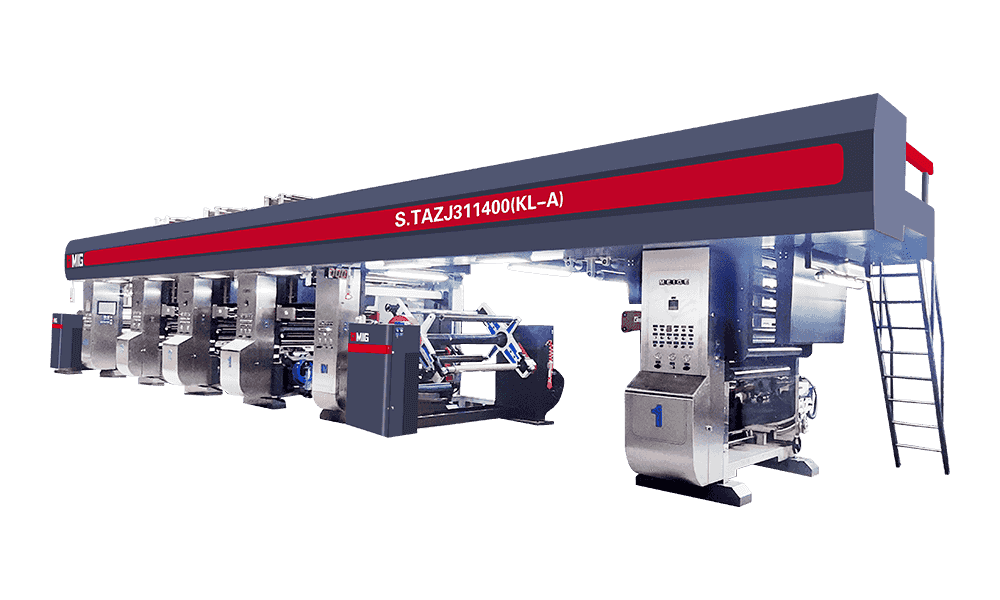
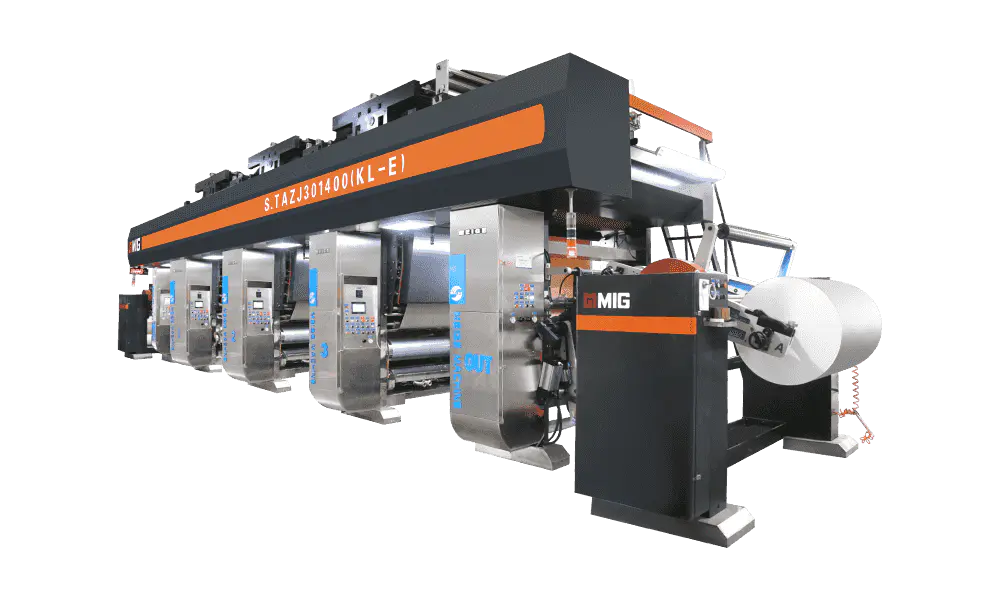
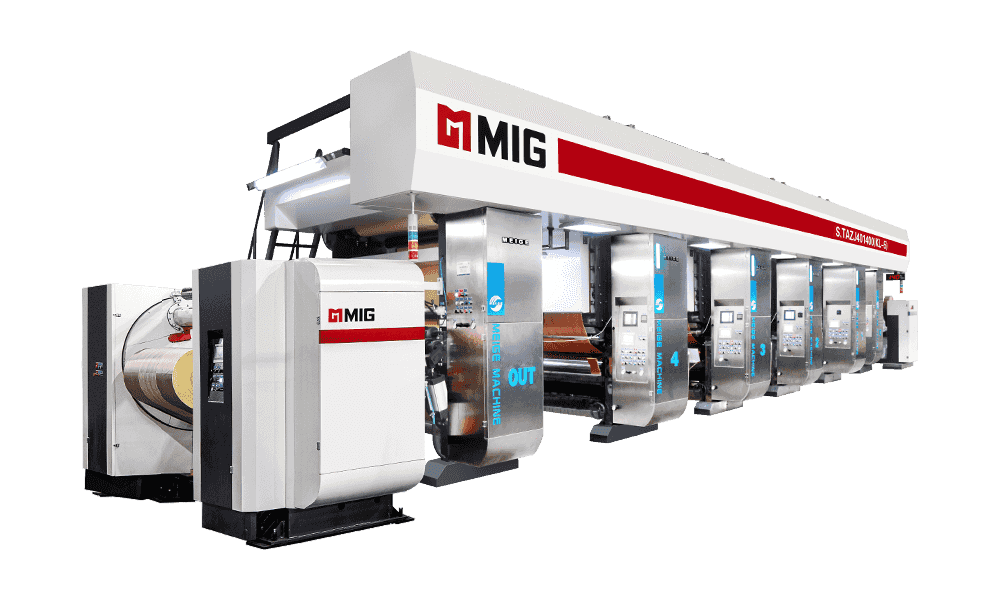
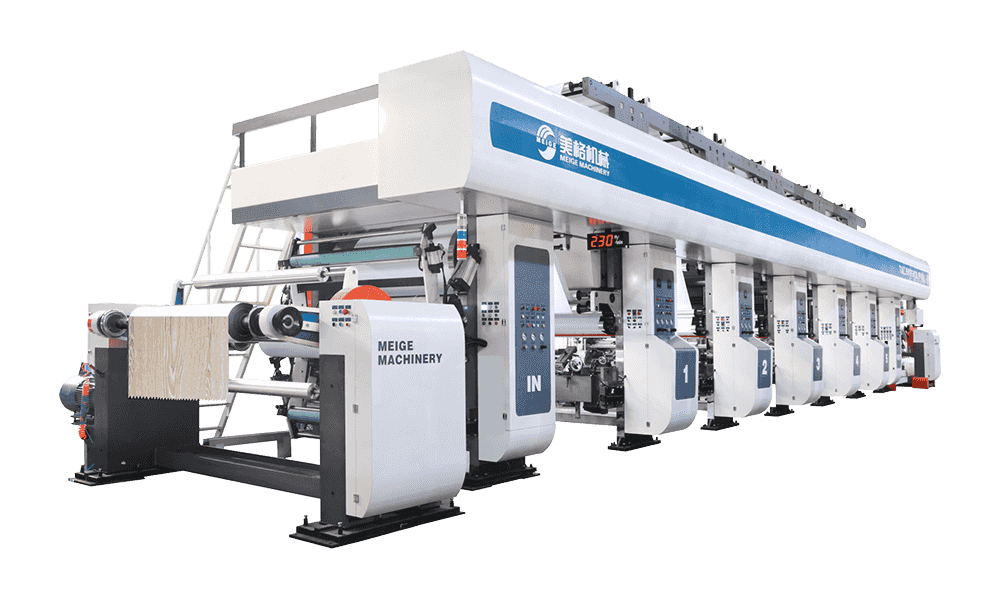
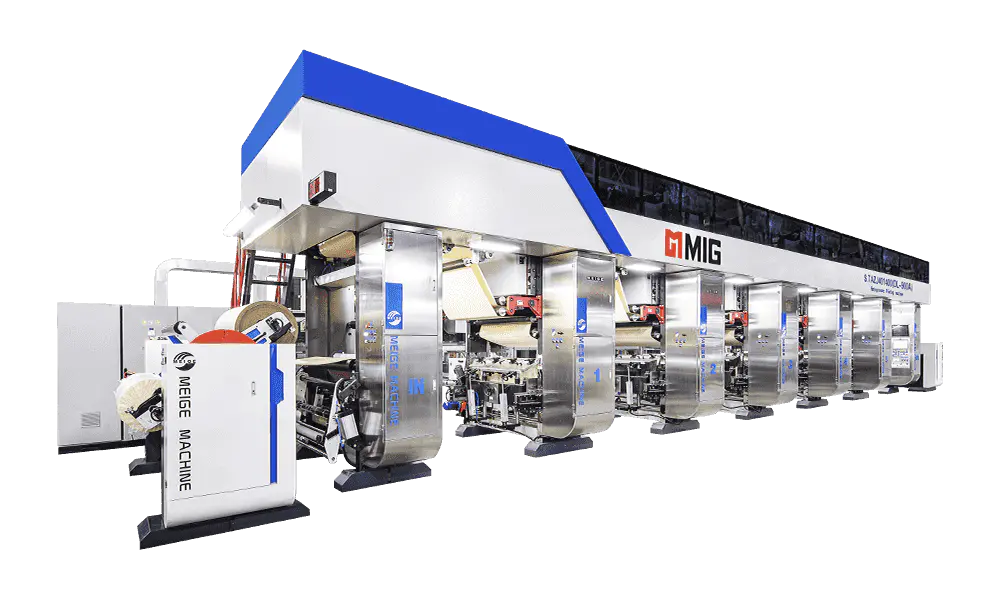
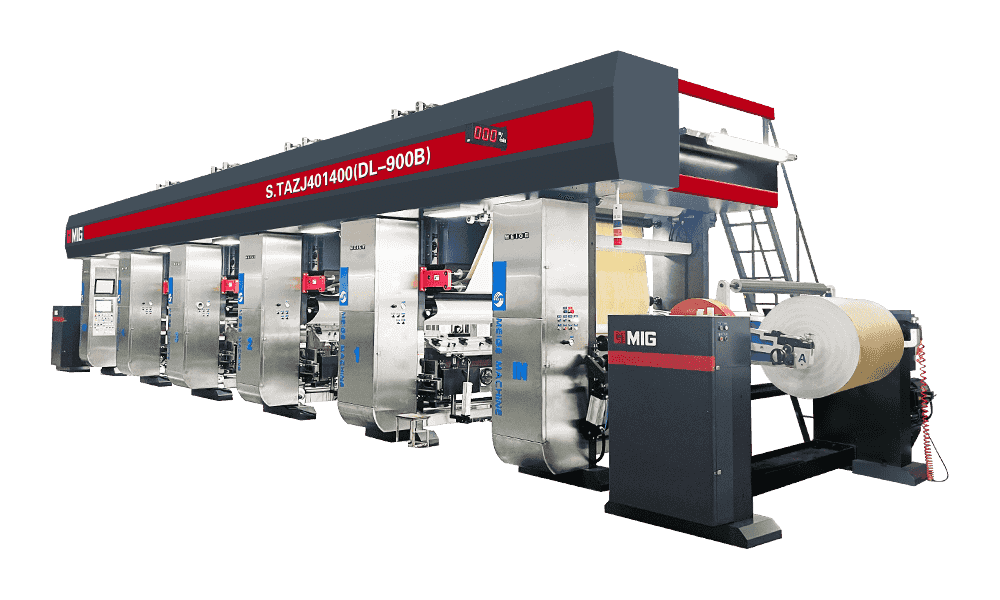
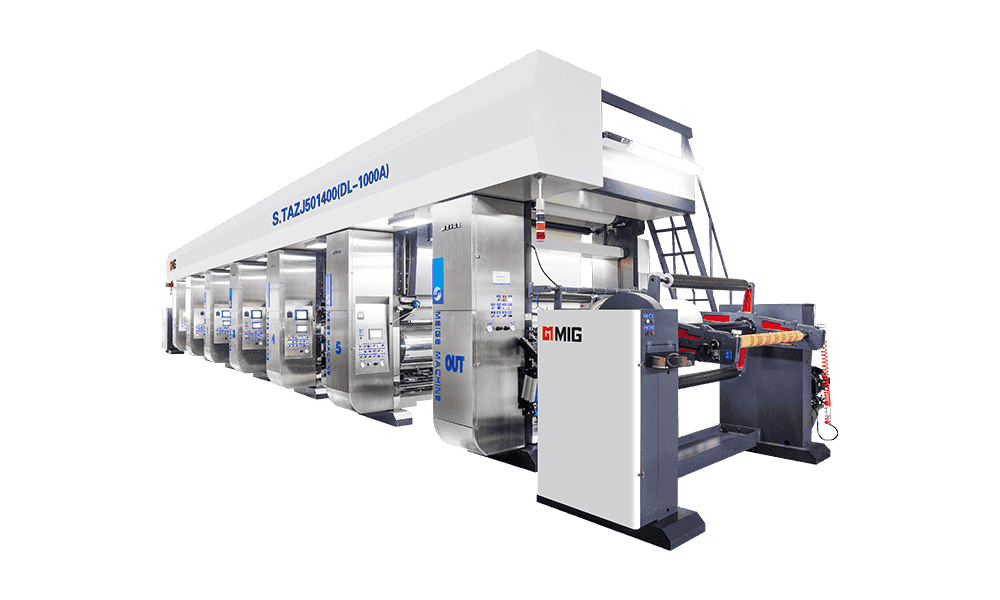
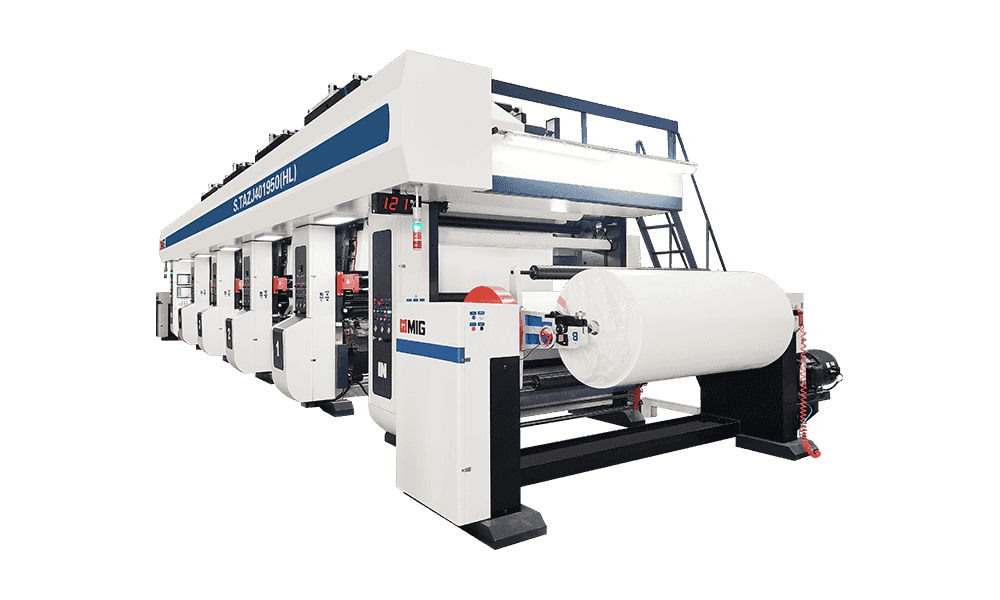
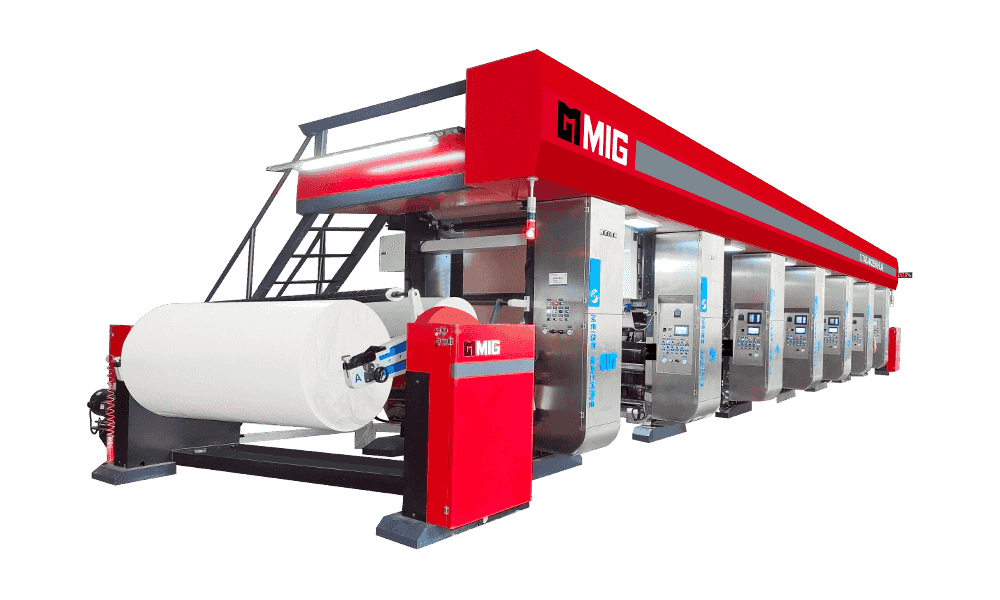
Our high speed film platforms include the PL series, offered as PL450, PL600 and PL800 configurations and described as high-speed ELS type gravure printing machines for PVC and PP-based decoration film. Colour groups across the wider decorative range start at four and rise through five, six and seven, so pattern complexity is largely a question of how many stations you choose to invest in.
Before choosing a model, it helps to separate what you print today from what you expect to print in five years:
| Specification area | What it controls | Practical guidance |
|---|---|---|
| Web width | Output per reel and pattern repeat size | Size for the widest film you expect to run, not only today's width |
| Colour stations | Pattern depth and flexibility | More stations mean more design freedom and more register points to hold |
| Drive type | Register accuracy at speed and repeatability | Electronic shaft drive keeps each station independent and shortens changeover |
| Drying capacity | The practical speed ceiling | Under-dried ink, not the drive, is the usual limit on line speed |
| Tension zones | Stretch, wrinkle and edge curl | PP film needs lighter, more closely controlled tension than paper |
| Unwind and rewind diameter | Run length and number of stops | Larger diameters reduce stoppages on long PP film reels |
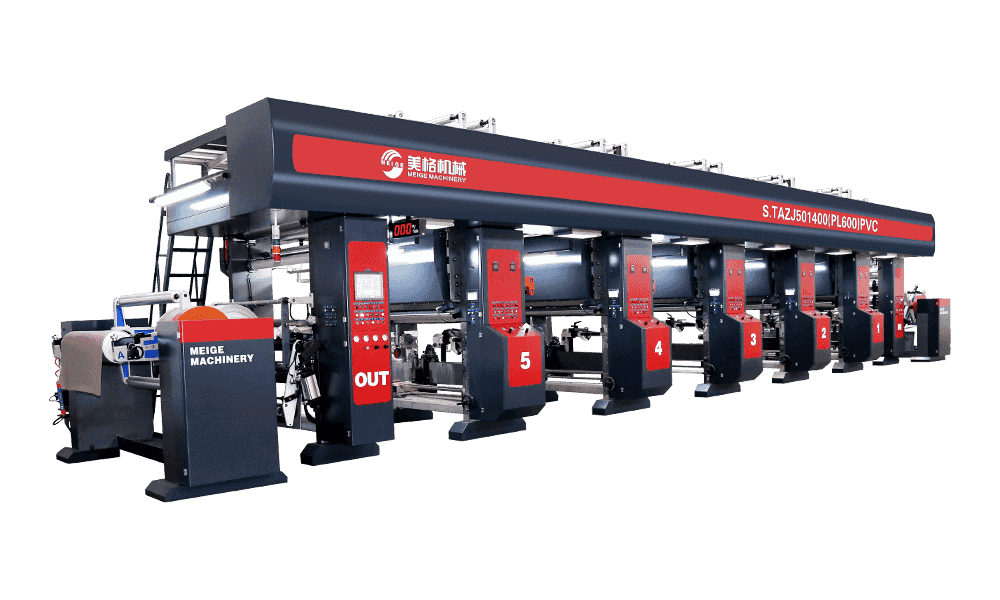 S.TAZJ501400 (PL600) 4-Foot High Speed ELS-Type PVC Gravure Printing Machine for EngineereThis model is specifically designed for PVC film large unit printing machines.View Product →
If your PP film programme is dominated by short runs and frequent pattern changes, prioritise quick colour change, plate handling and plate washing over the last few metres per minute of running speed. If you run long reels of a stable pattern, wide-web configuration, drying capacity and rewind quality matter far more.
Printing Is Only Half the Line
PP decoration film is rarely sold straight off the press. It is laminated to a substrate, given a protective layer, embossed with a wood grain or stone texture, or coated for a different surface feel. Handling those steps on equipment from the same supplier removes the guesswork that comes from pairing a printer from one company with an embossing unit from another.
The FH series multilayer glueless composite embossing machines are built for exactly that stage. The MGFH1650D2 configuration works with two to three layers, while the MGFH1650D3 adds a protective layer and a coating function. Because no adhesive is introduced, the layers are bonded under heat and pressure, which keeps the finished film clean and the process shorter. Converters whose output combines printing and coating in one pass will find the same logic running through our decorative foil printing and coating range.
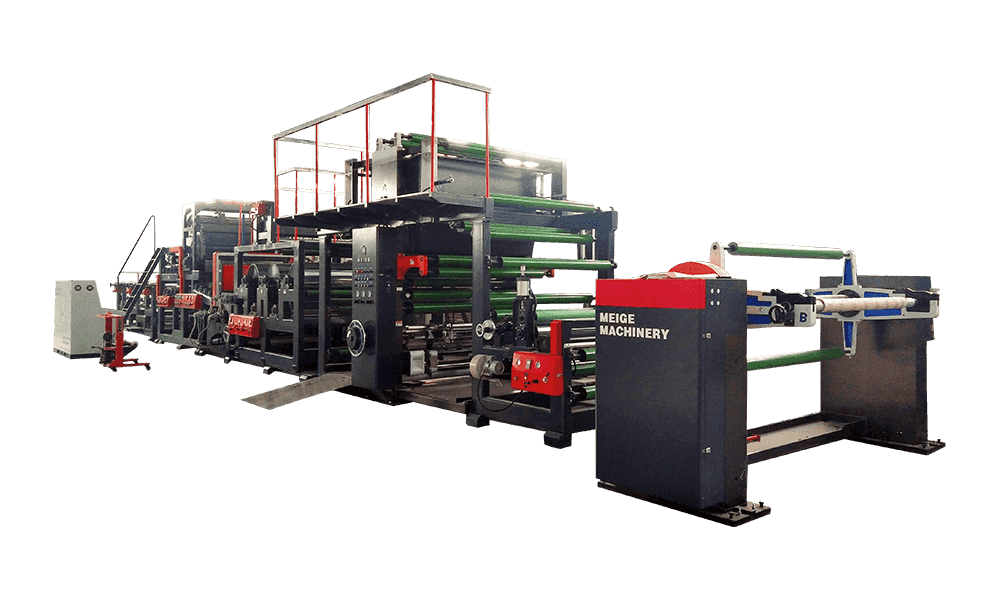 MGFH-1650D-3 PVC 2, 3 Layers (Protective Layer) Multi-Layer Glueless Composite Embossing CThis machine has a back coating function after embossing, and is a multi-layer adhesive free composite embossing machine.View Product →
Auxiliary Equipment That Keeps a High Speed Line Running
A press that can run fast is only useful if everything around it keeps up. In practice we see lines lose more hours to plate handling, ink preparation, inspection and internal transport than to the printing units themselves.
- Automatic plate washing machines in single-arm, double-arm, three-arm, floor-standing and wide-width versions, so cylinders return to the press clean and ready.
- Gravure roller intelligent storage systems for shafted cylinders, hollow cylinders and pallet-based handling, which cut search time and accidental damage.
- Inspection and rewinding machines that check, trim and splice at a speed matched to the printer rather than to a manual table.
- Ink mixers, sample presses, waste paper balers and roller-handling logistics such as AGV units and electric forklifts.
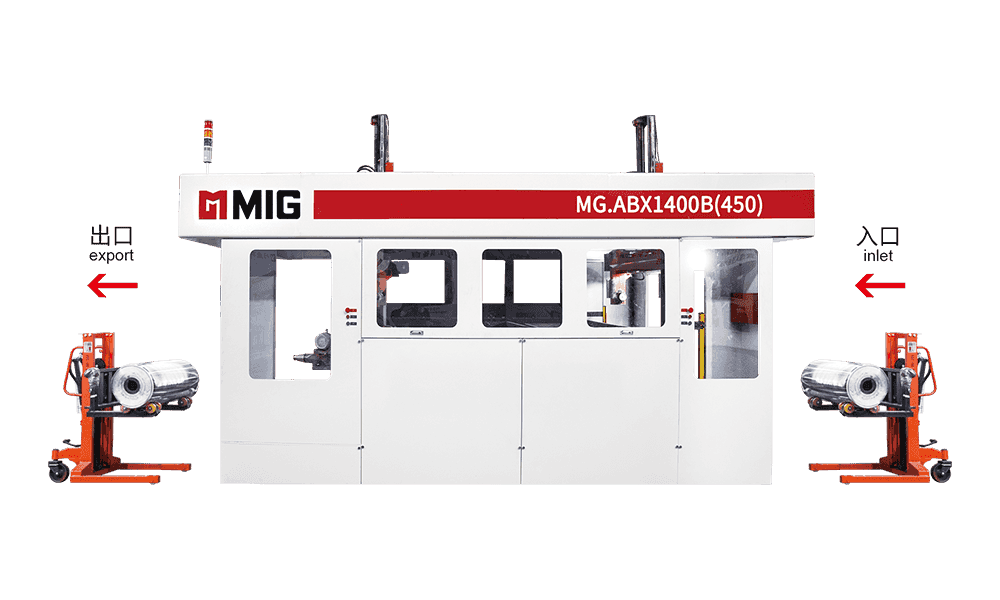 MG.ABX1400B (450) double-arm plate washer (in and out of the printing truck)Adopting three slots and two arms for gripping and washing, the plate roller car enters and exits.View Product →
Sizing these items against the printer's real output is what turns a fast machine into a fast line.
What to Check Before You Sign
- Ask for a trial on your own film, at your own pattern, not on a house sample.
- Confirm how many tension zones the machine has and how each one is set for PP film.
- Ask what happens to register when line speed is changed during a reel.
- Check the drying curve: can the line reach your target speed without over-heating the film?
- Measure changeover time, not just running speed.
- Make sure inspection and rewinding capacity matches the printer's output.
- Ask about plate washing, roller storage, spare parts and technical support.
- Visit a running reference line whenever it is possible.
Choosing a Partner for the Long Run
Zhejiang Meige Machinery Technology Co., Ltd. has been based in Lin'an, Hangzhou, since 1999, and our range now covers decorative paper gravure printing, PVC, PP and PET decoration film printing, transfer printing paper and film, plus the coating, laminating, embossing, inspection and logistics equipment around them. If you are comparing a high speed PP film printer for a new line or a replacement, tell us the film you actually run, the pattern repeat, the output you need per shift and the finishing steps that follow. That is enough for us to point you towards the right configuration instead of the biggest one.
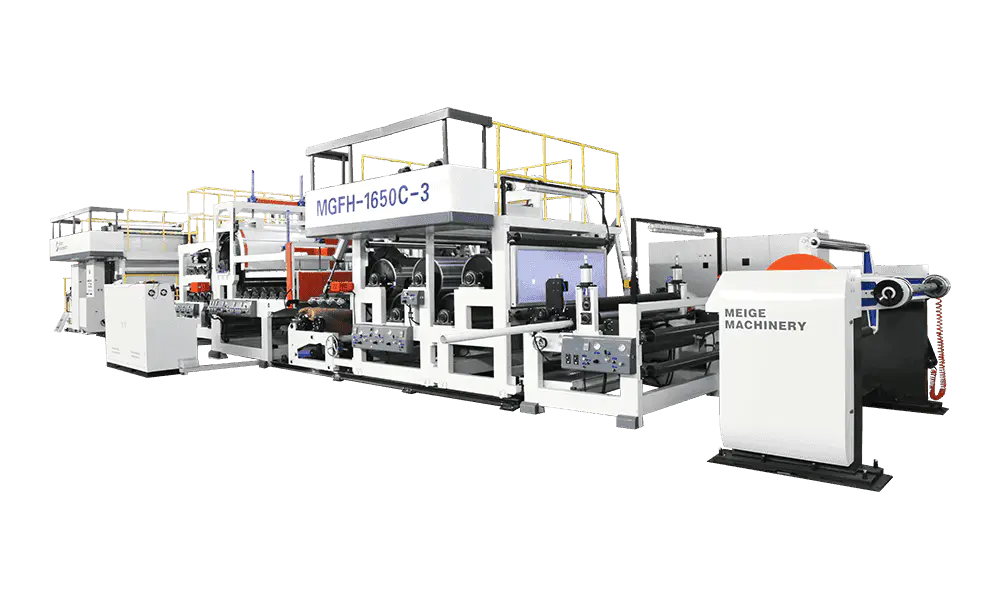
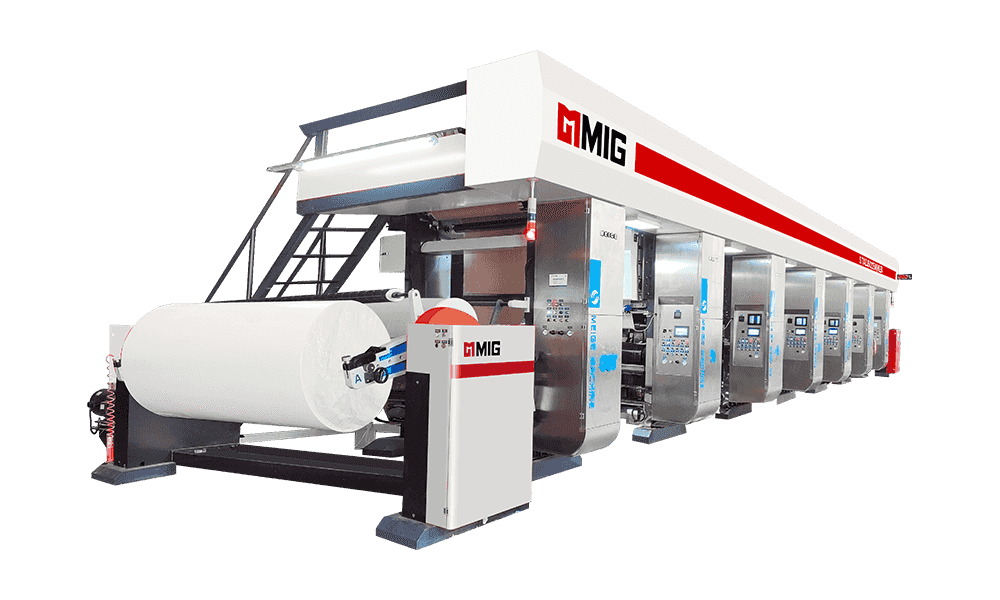
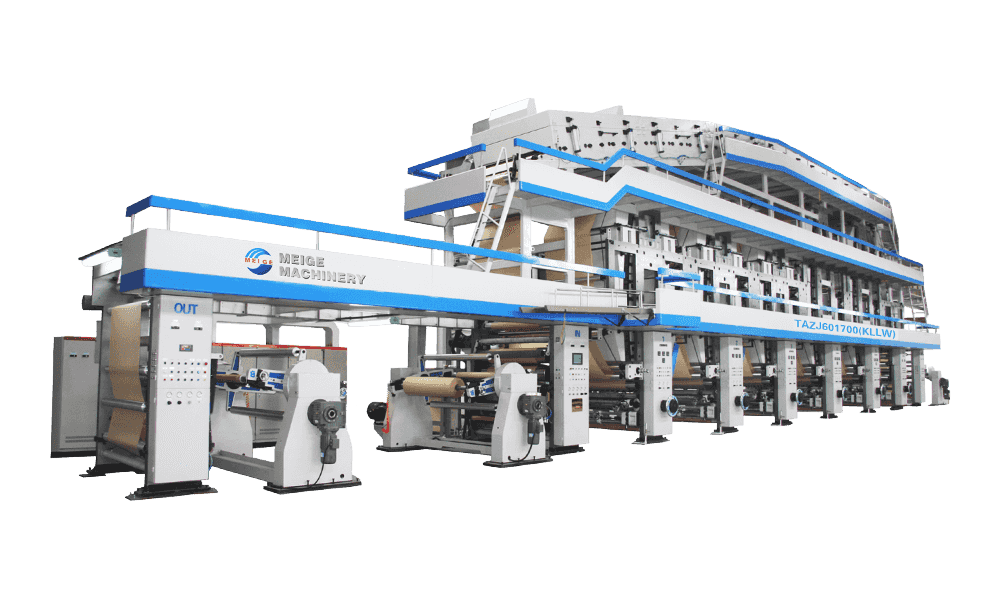
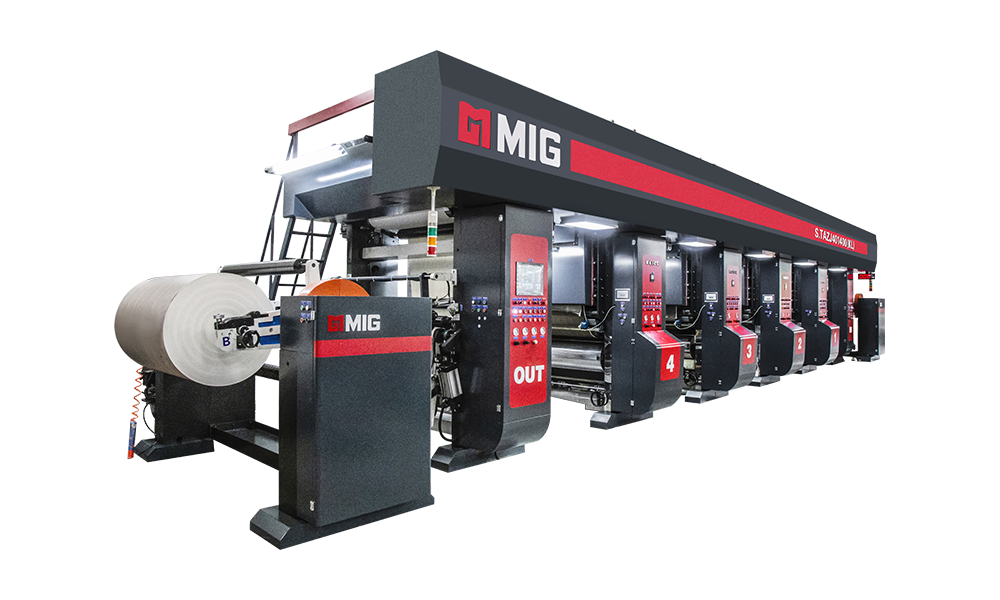
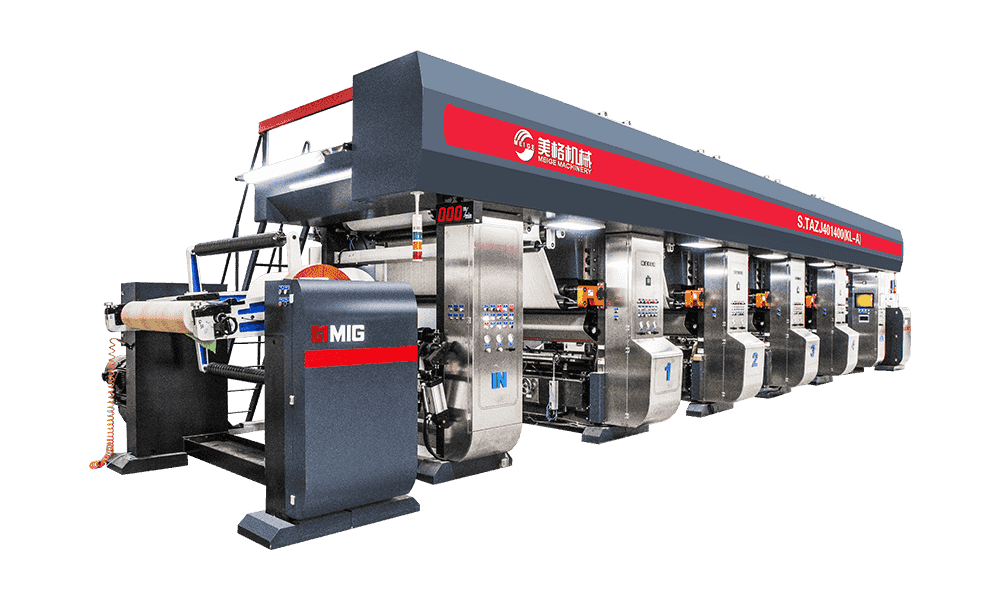
Recommended Products
The variety of models, to meet the development needs of various regions in the world.
Message Us Right Now!
Quick Links
Products
Contact Us
- Phone: +86-13067738802 (Manager Hua)
- Tel: +86-0571-61071715
- Fax: +86-0571-61071706
- Mail: [email protected]
- Add: No.32 Wujiatou, Qingke Village, Jincheng Street, Lin'an District, Hangzhou City, Zhejiang Province

Copyright © Zhejiang Meige Machinery Technology Co., Ltd. All rights reserved.
 Privacy Rotogravure Printing Machine Manufacturers